When it comes to cleaning and maintaining your synthetic coat, it’s important to use the right techniques and products to ensure its longevity and keep it looking its best. Synthetic coats are a popular choice for their durability, water resistance, and ability to repel stains. However, improper washing can cause damage and reduce their effectiveness.
One of the easiest and most effective ways to wash a synthetic coat is to spot clean it. Begin by examining the coat for any specific stains or dirt marks. Take a damp cloth or sponge and gently rub the affected area in a circular motion. For stubborn stains, you can add a small amount of mild detergent or stain remover to the cloth. Be sure to test any cleaning product on a small, inconspicuous area of the coat before applying it to the stain.
Another method for washing a synthetic coat is to machine wash it. Before doing so, check the care label on the coat for any specific instructions or recommendations. In general, it’s best to use a gentle cycle with cold water. Turn the coat inside out and place it in a mesh laundry bag to protect it from excessive agitation. Use a mild detergent and avoid using fabric softener as it can leave a residue on the coat. After washing, hang the coat to air dry, as high heat can damage the synthetic fibers.
- Preparing Your Synthetic Coat for Washing
- Choosing the Right Detergent for Synthetic Coats
- 1. Mild and Gentle Formulas
- 2. pH Balanced Detergents
- Hand-Washing Your Synthetic Coat
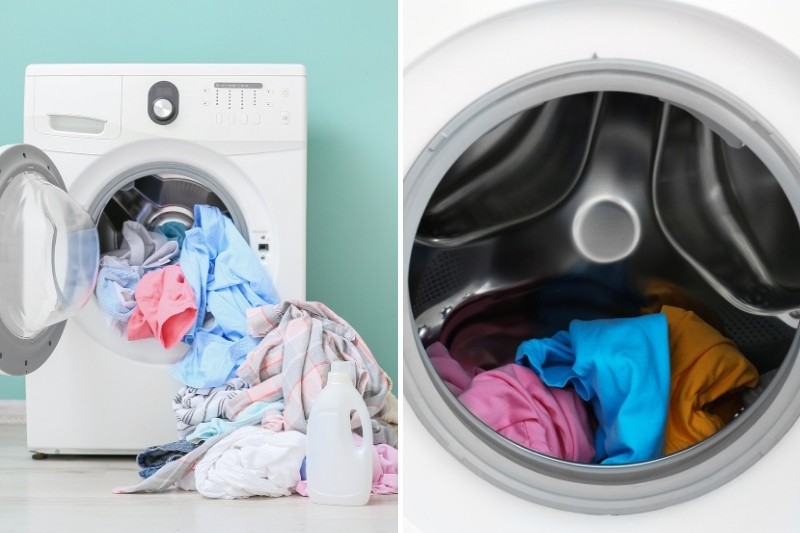
- Machine-Washing Your Synthetic Coat
- Check the Care Label
- Prepare the Coat for Washing
- Select the Appropriate Washing Cycle
- Drying the Coat
- Drying Your Synthetic Coat Properly
- Video on the topic
- Housekeeping Tips : How to Wash a Leather Jacket
- Answers to frequently asked questions
Preparing Your Synthetic Coat for Washing

Before washing your synthetic coat, it is important to properly prepare it to ensure the best cleaning results and to avoid any damage. Follow these steps to prepare your coat for washing:
1. Check the Label:
Look for the care label on your coat to determine if it can be washed. Some synthetic coats may require dry cleaning, so it is important to follow the instructions provided.
2. Remove any Debris:
Before washing, remove any loose dirt, debris, or stains from your coat. Use a soft brush or cloth to gently brush off any dirt or dust. For stains, you can use a mild detergent or stain remover to spot clean before washing.
3. Close Fasteners and Zipper:
Make sure to close any buttons, snaps, zippers, or hooks on your coat. This will help prevent any damage or tangling during the washing process. It will also help the coat maintain its shape.
4. Empty Pockets:
Before washing, check all pockets and remove any items such as coins, keys, or tissues. This will prevent them from getting damaged or causing damage to the coat during the washing and drying process.
5. Turn Inside Out:
It is recommended to turn your synthetic coat inside out before washing. This helps protect the outer fabric and keeps it looking newer for longer.
6. Secure the Coat:
If your coat has a detachable hood or belt, secure them in place to prevent tangling or damage during the washing cycle.
7. Choose the Right Washing Machine Setting:
When washing your synthetic coat, use a gentle or delicate cycle on your washing machine. Avoid using hot water as it can shrink or damage the fabric. It is also recommended to use a mild detergent formulated for synthetic fabrics.
8. Don’t Overload the Machine:
Make sure not to overload your washing machine when washing your coat. Overloading can cause the coat to become tangled or not get thoroughly cleaned.
9. Remove Excess Water:
After the washing cycle is complete, gently squeeze out any excess water from your coat. Do not wring or twist the coat as it can cause damage to the fabric.
10. Air Dry:
Avoid using a dryer to dry your synthetic coat. Instead, hang it on a coat hanger or lay it flat on a clean towel to air dry. This will help maintain the shape of the coat and prevent any shrinking or damage.
By following these steps, you can ensure that your synthetic coat is properly prepared for washing, giving you the best results and prolonging its lifespan.
Choosing the Right Detergent for Synthetic Coats
When it comes to washing synthetic coats, choosing the right detergent is essential. Using the wrong detergent can damage the fabric and decrease the lifespan of your coat. Here are some factors to consider when selecting a detergent:
1. Mild and Gentle Formulas
Synthetic coats are delicate and require gentle cleaning solutions. Look for detergents that are specifically formulated for delicate fabrics or wool. These detergents are usually mild and do not contain harsh chemicals that can weaken the fibers of your coat.
2. pH Balanced Detergents

Avoid detergents that are alkaline or highly acidic as they can damage the synthetic fibers of your coat. Look for pH balanced detergents that are neutral or slightly acidic. These detergents are gentle on the fabric and help maintain its strength and color.
Always read the labels and product descriptions carefully to ensure that the detergent you choose is suitable for synthetic coats. If in doubt, consult the manufacturer or a professional cleaner for recommendations. By using the right detergent, you can safely clean your synthetic coat and keep it looking new for longer.
Hand-Washing Your Synthetic Coat
Hand-washing is a gentle and effective way to clean your synthetic coat. Follow these steps to ensure the best results:
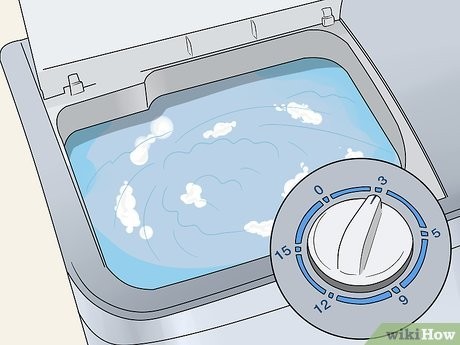
- Fill a clean sink or basin with lukewarm water. Avoid using hot water as it can damage the synthetic fibers.
- Add a small amount of mild detergent to the water and mix well. Look for a detergent that is specifically designed for synthetic fabrics.
- Submerge the coat in the soapy water and gently agitate it to loosen dirt and grime. Be sure to pay attention to any stained areas.
- Allow the coat to soak in the soapy water for about 10-15 minutes to help remove any odors.
- After soaking, carefully drain the soapy water and refill the sink or basin with clean lukewarm water.
- Rinse the coat thoroughly in the clean water to remove any remaining soap residue.
- Gently squeeze out any excess water from the coat, being careful not to wring or twist it, as this can damage the fabric and alter its shape.
- Place the coat on a clean towel and roll it up to absorb more water. Press down on the rolled towel to further remove moisture.
- Finally, lay the coat flat on a drying rack or clean surface and allow it to air dry completely.
By hand-washing your synthetic coat, you can ensure that it stays clean and in good condition for longer. Remember to always check the care instructions provided by the manufacturer before attempting to wash any clothing items.
Machine-Washing Your Synthetic Coat
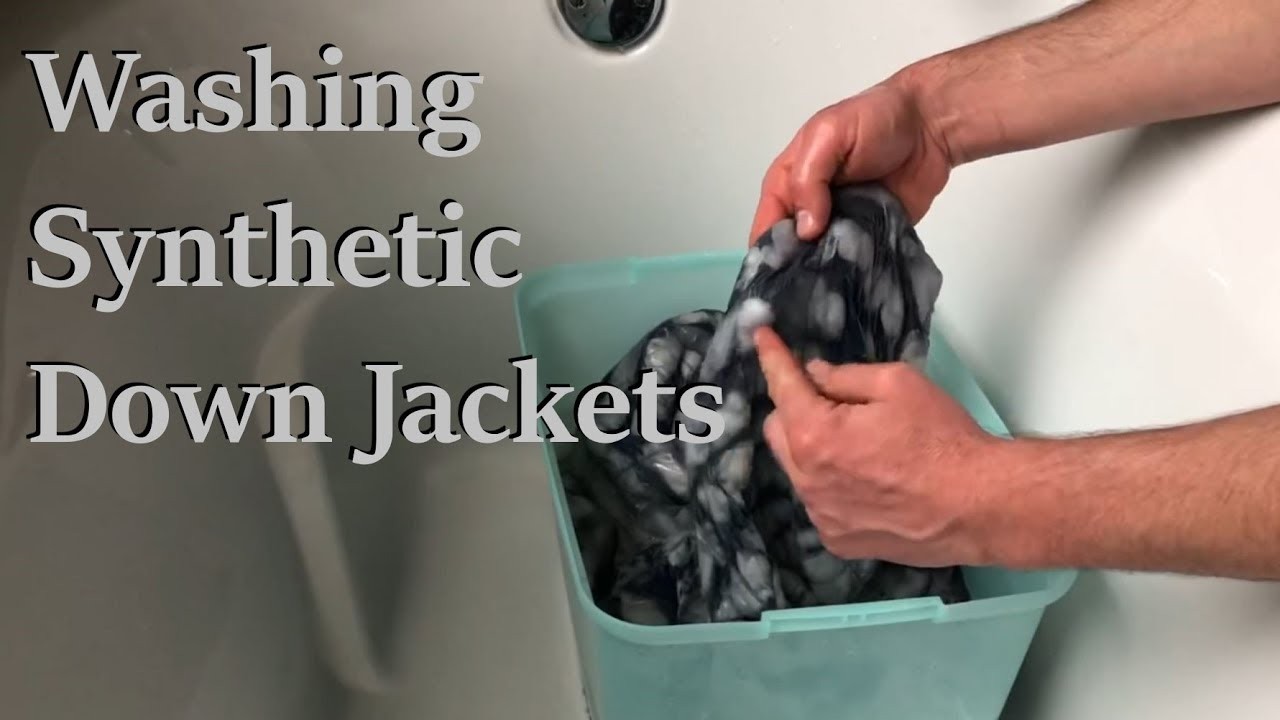
Machine-washing your synthetic coat can be a great way to keep it clean and fresh. However, it is important to follow some guidelines to ensure that the coat remains in good condition. Here are some easy steps to machine-wash your synthetic coat:
Check the Care Label
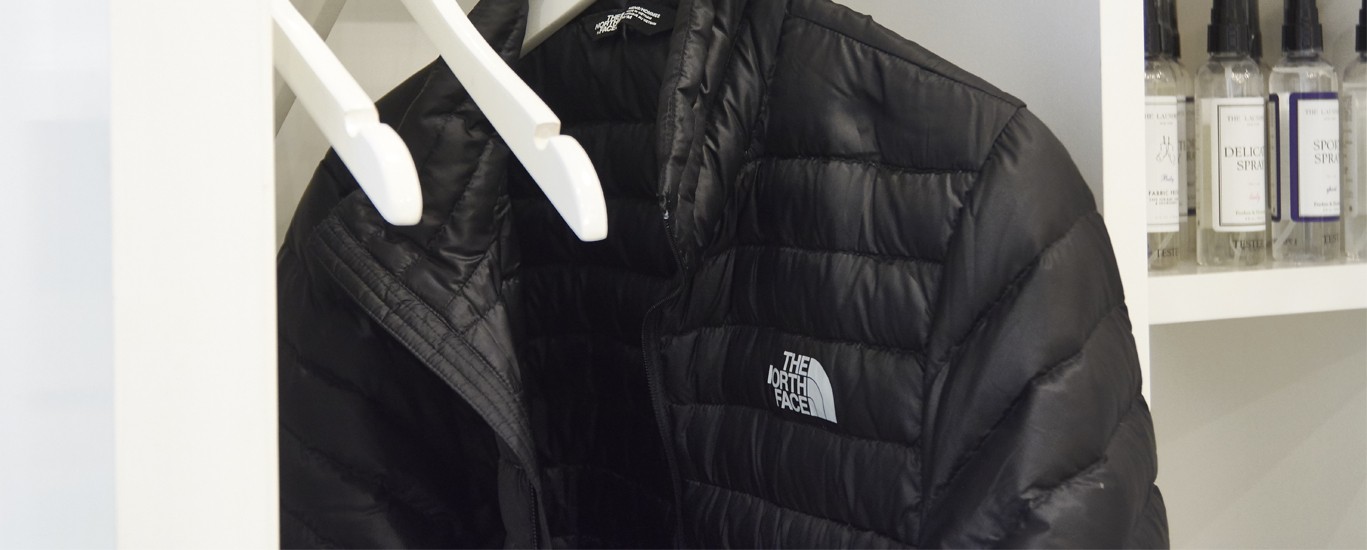
Before machine-washing your synthetic coat, always check the care label first. The care label provides important information about the specific washing instructions for your coat. It may include details such as the recommended water temperature, washing cycle, and whether or not the coat can be tumble dried. Following the care label’s instructions will help you avoid damaging the coat during the washing process.
Prepare the Coat for Washing
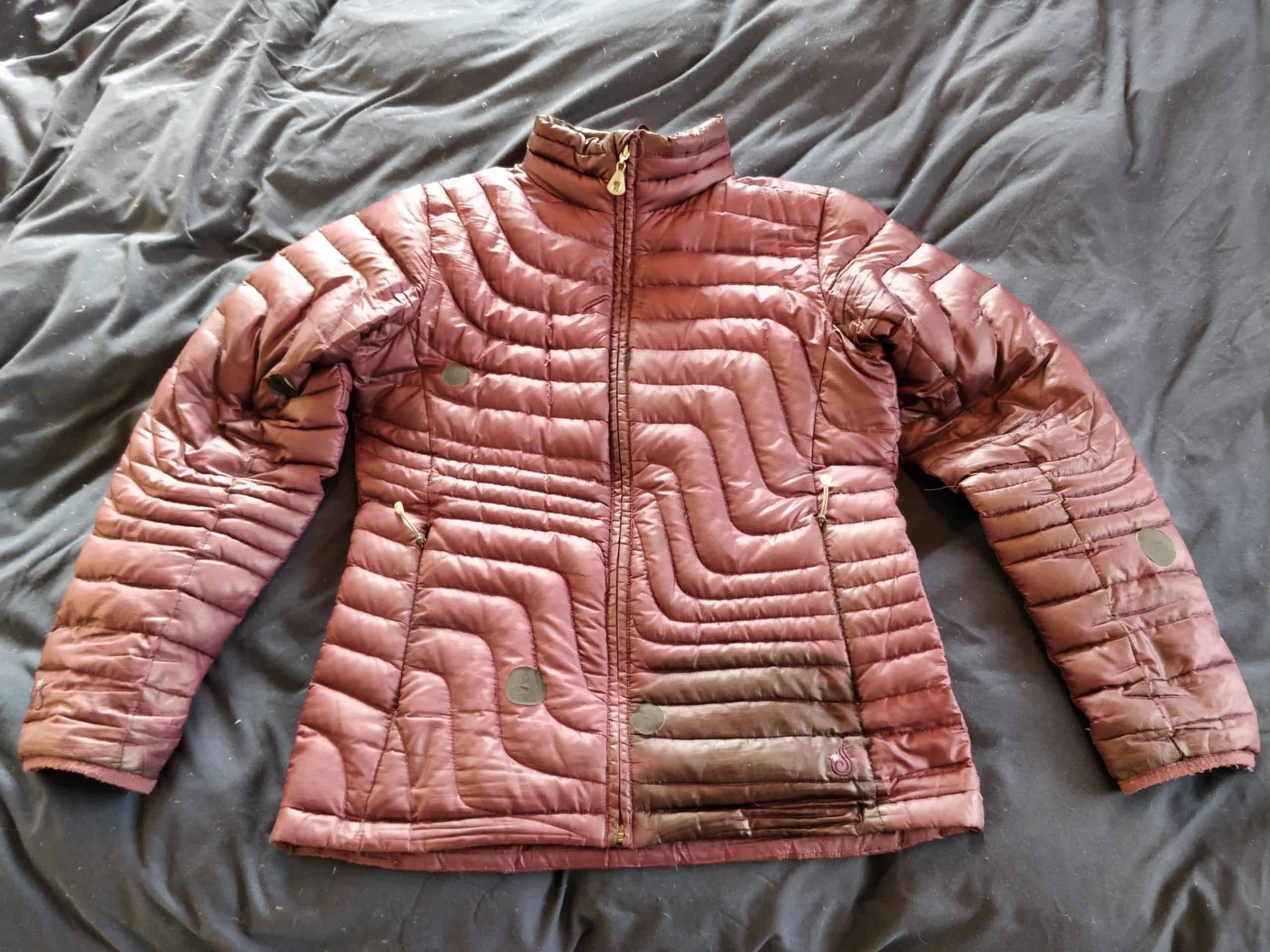
Before placing your synthetic coat in the washing machine, it is a good idea to prepare it properly. Close all the zippers and fasten any buttons or snaps to avoid damaging the coat or other items in the machine. It is also advisable to turn the coat inside out to protect the outer surface. Additionally, empty all the pockets to prevent any items from getting tangled or damaged during the wash.
Tip: If your synthetic coat has any detachable or fur-trimmed elements, it is best to remove them before washing, as they may require different care or spot cleaning.
Select the Appropriate Washing Cycle
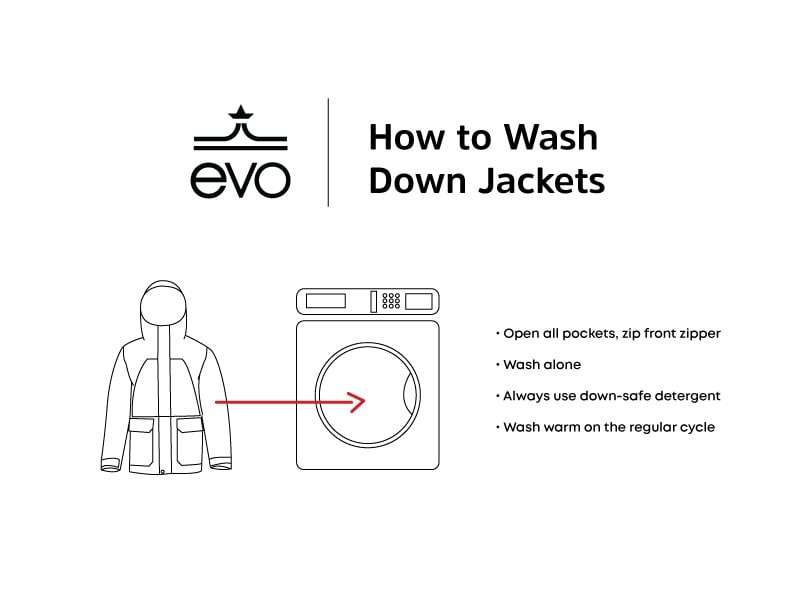
When choosing a washing cycle for your synthetic coat, opt for a gentle cycle to minimize the risk of wear and tear. Avoid using a high-speed or heavy-duty cycle as it might be too harsh for the delicate fabric of the coat. Additionally, choose a cold or lukewarm water temperature instead of hot water to prevent shrinking or damaging the coat’s fibers.
Note: It is important to not overcrowd the washing machine. Leaving enough space for the coat to move freely will ensure a more effective and even wash.
Drying the Coat

After the washing cycle is complete, it is time to dry your synthetic coat. Generally, it is best to air dry the coat rather than tumble dry it, as high heat from the dryer can cause damage or shrinkage. Hang the coat on a sturdy hanger or lay it flat on a clean towel in a well-ventilated area. Avoid direct sunlight or heat sources, such as radiators, as they can fade the color or warp the shape of the coat.
Caution: Avoid using an iron or a clothes steamer on your synthetic coat, as high heat can melt or distort the fabric.
By following these simple steps, you can safely and effectively machine-wash your synthetic coat, keeping it clean and looking its best for many seasons to come.
Drying Your Synthetic Coat Properly
After washing your synthetic coat, it is important to dry it properly to maintain its quality and longevity. Here are some easy and effective methods to ensure that your coat dries properly:
- Hang it up: The best way to dry your synthetic coat is to hang it up on a clothes hanger. Make sure to hang it in a well-ventilated area, preferably indoors, away from direct sunlight. This will allow the coat to air dry naturally without causing any damage.
- Avoid heat sources: It is important to avoid using direct heat sources, such as radiators or dryers, to dry your synthetic coat. The high heat can cause the fibers to melt or shrink, ruining the coat. Opt for air drying instead.
- Pat dry with a towel: If your coat is still damp after washing, you can gently pat it dry with a clean towel. Make sure not to rub the coat vigorously as this can damage the fabric.
- Use a fan: If you need to speed up the drying process, you can place a fan near the coat. The airflow will help to evaporate the moisture and dry the coat faster. However, make sure not to place the coat too close to the fan, as this can cause the fibers to become tangled.
- Flip it occasionally: While the coat is drying, it is a good idea to flip it over occasionally to ensure that both sides dry evenly. This will prevent any moisture from being trapped and causing mold or mildew.
- Check for moisture: Before storing your synthetic coat, make sure it is completely dry. Check the inside and outside of the coat for any signs of moisture. If you find any damp areas, allow the coat to dry completely before storing it to prevent any unpleasant odors or damage.
By following these methods, you can ensure that your synthetic coat dries properly and is ready to wear again. Remember, proper drying is essential for maintaining the quality and appearance of your coat for years to come.
Video on the topic
Housekeeping Tips : How to Wash a Leather Jacket
Answers to frequently asked questions
Read more practical tips and expert opinions about modern devices at appliances-news.com. Here you will find answers to questions about any technology.