Whether you’re a professional chef or an avid home cook, it’s likely that you’ve encountered the challenge of dealing with olive oil stains. Olive oil is a delicious and healthy ingredient, but it can also be a stubborn and frustrating stain to remove.
When it comes to washing olive oil stains, it’s important to act quickly and with the right techniques. The longer the stain sits, the harder it will be to remove. Fortunately, with a few simple steps and the right products, you can effectively get rid of olive oil stains and restore your fabric to its original condition.
First and foremost, it’s crucial to blot the stain as soon as possible. Use a clean cloth or paper towel to gently soak up the excess oil. Avoid rubbing the stain, as this can spread the oil and make the stain worse. Instead, blot the stain in an upward motion to lift the oil out of the fabric.
After blotting, you can apply a stain remover or a liquid detergent directly to the stained area. Be sure to choose a product that is safe for the fabric you’re working with. Gently rub the stain remover into the fabric using a soft brush or your fingers. Allow the product to sit on the stain for a few minutes to penetrate the fabric and break down the oil.
Finally, wash the fabric according to its care instructions. Be sure to use the hottest water temperature recommended for the fabric, as this will help to dissolve and remove the oil. If the stain persists after washing, repeat the steps above before drying the fabric, as heat can set in the stain and make it even more difficult to remove.
By following these simple steps, you can effectively wash and remove olive oil stains from your fabrics. Remember to act quickly, choose the right products, and wash with the appropriate water temperature. With a little patience and effort, you can say goodbye to those stubborn olive oil stains and keep your fabrics looking fresh and clean.
- Why It’s Important to Properly Wash and Remove Olive Oil Stains
- Understanding the Potential Damage of Olive Oil Stains
- The Damage to Fabrics
- The Risk of Staining Surfaces
- Pre-Treatment Options for Olive Oil Stains
- 1. Absorb the Excess Oil
- 2. Apply Dishwashing Liquid
- 3. Use a Laundry Stain Remover
- Choosing the Right Laundry Detergent for Olive Oil Stains
- Video on the topic
- How Do You Get Olive Oil Out Of Upholstery? How do you get grease out of upholstery?
- How to Remove Oil Stains From Clothes Without Washing
- How to remove oil stains from clothes | Easy & Effective method
- How to Remove Stains From Clothes At Home Better Than The Dry Cleaner
- Cleanse the liver in 3 days! Grandma’s old recipe. All the dirt will come out of the body
- Answers to frequently asked questions
Why It’s Important to Properly Wash and Remove Olive Oil Stains

Properly washing and removing olive oil stains is essential to maintaining the cleanliness and appearance of your garments or fabrics. Whether it’s a favorite shirt or a tablecloth, olive oil stains can be stubborn and difficult to get rid of if not treated promptly and correctly.
Here are a few reasons why it’s important to properly wash and remove olive oil stains:
Preventing Permanent Stains:
Olive oil stains can quickly penetrate and set into fabrics, leaving a greasy residue that can become permanent if not treated immediately. By properly washing and removing the stain as soon as possible, you can prevent it from becoming a long-lasting mark on your clothing or other textiles.
Maintaining the Quality of Your Garments:
Regularly washing and removing stains from your clothing helps to maintain their integrity and lifespan. Olive oil stains, if left untreated, can deteriorate the fabric over time, leading to discoloration, weakening of fibers, and even holes. Properly treating and washing the stains can help preserve the quality and longevity of your favorite garments.
Keeping a Professional and Presentable Appearance:
Whether it’s for work or a special occasion, it’s important to present yourself in a clean and put-together manner. Olive oil stains on your clothes can give the impression of neglect or lack of attention to detail. By properly washing and removing these stains, you ensure that your clothes are free from unsightly marks, allowing you to maintain a professional and presentable appearance.
Preventing Unpleasant Odors:
Olive oil stains can leave behind unpleasant odors if not properly washed and removed. The rancid smell of old oil can be difficult to eliminate and can linger on your garments, making them unwearable. By treating the stains promptly and using the right washing techniques, you can prevent these odors from setting in and keep your clothes smelling fresh.
Remember, taking the time to properly wash and remove olive oil stains is crucial to preserving the quality and appearance of your clothes. With the right techniques and a little bit of effort, you can successfully eliminate these stubborn stains and keep your garments looking as good as new.
Understanding the Potential Damage of Olive Oil Stains
Olive oil stains can be quite stubborn and can cause a lot of damage if not treated properly. Whether the stains are on fabric, carpet, or any other surface, it is important to address them promptly. Ignoring or improperly treating olive oil stains can lead to long-term damage and make the stain even more difficult to remove.
The Damage to Fabrics
When olive oil stains permeate fabrics such as clothing, upholstery, or bedding, they can leave behind unsightly marks and even a greasy residue. The longer the stain remains untreated, the deeper it can penetrate into the fabric fibers, making it more difficult to remove. The grease from the oil can also attract dirt and grime, causing the stain to become more noticeable and harder to clean.
The Risk of Staining Surfaces

If olive oil stains are left on surfaces such as countertops, furniture, or flooring, they can cause discoloration and damage. The oil can seep into porous materials and leave behind a stain that is difficult to remove. The longer the stain remains, the more it can penetrate the surface and become ingrained, making it even more challenging to eliminate.
It is important to note that different surfaces may require different cleaning methods, so it is essential to determine the appropriate treatment based on the material involved.
Overall, understanding the potential damage of olive oil stains can help emphasize the importance of promptly addressing and treating these types of stains to prevent further harm and maintain the appearance of fabrics and surfaces.
Pre-Treatment Options for Olive Oil Stains
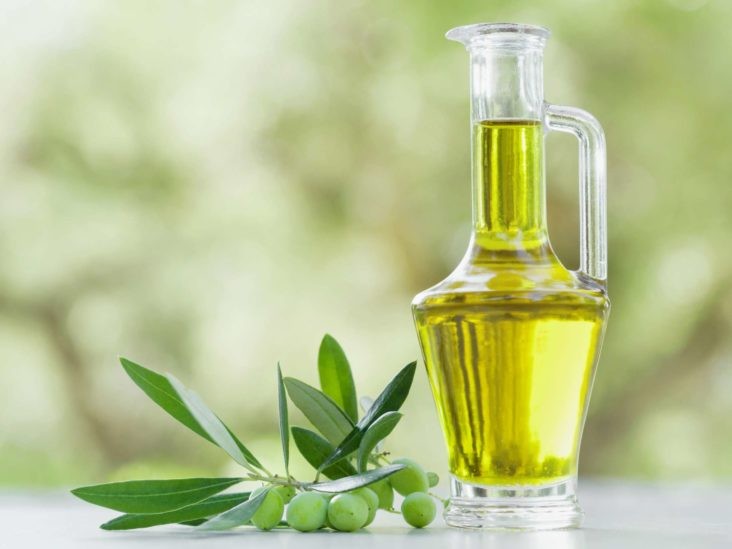
Before attempting to wash olive oil stains, it’s important to pre-treat the affected area. This will help loosen and lift the oil from the fabric, making it easier to remove during the washing process. There are several pre-treatment options you can try:
1. Absorb the Excess Oil
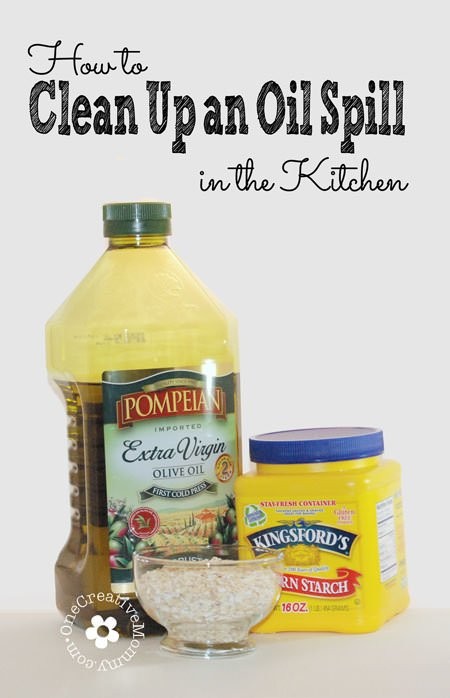
Start by gently blotting the stain with a clean cloth or paper towel. This will help absorb any excess oil on the surface of the fabric. Avoid rubbing the stain, as this can push the oil further into the fibers.
2. Apply Dishwashing Liquid
Another effective pre-treatment option is to apply a small amount of dishwashing liquid directly to the stain. Dishwashing liquid is designed to break down grease and oil, making it a useful tool for removing olive oil stains. Gently rub the dishwashing liquid into the stain using your fingertips or a soft brush.
Once you’ve applied the dishwashing liquid, let it sit on the stain for about 10 minutes to allow it to penetrate the fabric. This will help lift the oil from the fibers.
3. Use a Laundry Stain Remover

If the olive oil stain is particularly stubborn, you may want to try using a commercial laundry stain remover. These products are specially formulated to target tough stains, including oil and grease. Follow the instructions on the stain remover packaging for best results.
After pre-treating the olive oil stain, you can proceed with the regular washing process to fully remove the stain. Remember to check the care label on your garment for any specific washing instructions.
| Pre-Treatment Options | Steps |
|---|---|
| Absorb the Excess Oil | Gently blot the stain with a clean cloth or paper towel. |
| Apply Dishwashing Liquid | Apply a small amount of dishwashing liquid to the stain and gently rub it in. Let it sit for 10 minutes. |
| Use a Laundry Stain Remover | If the stain persists, use a commercial laundry stain remover according to the instructions. |
Choosing the Right Laundry Detergent for Olive Oil Stains
When it comes to removing olive oil stains from your clothes, choosing the right laundry detergent is crucial. Not all detergents are created equal, and some may not be effective at removing tough oil stains.
Here are a few key factors to consider when selecting a laundry detergent for olive oil stains:
- Enzyme-based detergents: Look for a detergent that contains enzymes, such as protease or amylase. These enzymes help break down and dissolve oils and fats, making them easier to remove from fabric.
- Heavy-duty detergents: Opt for a heavy-duty or stain-fighting detergent that is specifically designed to tackle tough stains, including oil stains.
- Pre-treatment options: Some detergents offer pre-treatment options, such as stain removers or boosters. These can be particularly helpful for treating stubborn olive oil stains before washing.
- Fragrance-free options: If you are sensitive to fragrances or have allergies, choose a fragrance-free detergent to avoid any potential skin irritation.
Additionally, it’s important to follow the manufacturer’s instructions on the detergent packaging for best results. This may include adjusting the water temperature and selecting the appropriate wash cycle for oily stains.
Remember, olive oil stains can be stubborn, so don’t be discouraged if the first wash doesn’t completely remove the stain. Repeat the washing process, using the same or a different detergent, until the stain is completely gone.
By choosing the right laundry detergent for olive oil stains and following the proper washing instructions, you can effectively remove these stubborn stains and restore your clothes to their original condition.
Video on the topic
How Do You Get Olive Oil Out Of Upholstery? How do you get grease out of upholstery?
How to Remove Oil Stains From Clothes Without Washing
How to remove oil stains from clothes | Easy & Effective method
How to Remove Stains From Clothes At Home Better Than The Dry Cleaner
Cleanse the liver in 3 days! Grandma’s old recipe. All the dirt will come out of the body
Answers to frequently asked questions
Read more practical tips and expert opinions about modern devices at appliances-news.com. Here you will find answers to questions about any technology.