Have you ever found yourself in a situation where water is not draining out of your washing machine? Don’t worry, you’re not alone! It’s a common problem that many people face, but luckily, there’s a solution. In this step-by-step guide, we will show you exactly how to drain your washing machine and get it back up and running in no time.
First, it’s important to understand why your washing machine isn’t draining. There could be several reasons, such as a clogged drain hose, a faulty pump, or even a problem with the control board. Whatever the case may be, it’s essential to tackle this issue as soon as possible to avoid any further damage to your machine or your home.
Before you start the draining process, remember to unplug your washing machine from the power source. This will ensure your safety and prevent any electrical mishaps. Additionally, you may want to place towels or a bucket near the machine to catch any excess water that may spill out during the draining process.
Next, locate the drain hose at the back of your washing machine. You may need to move the machine slightly to access it. Once you’ve found the hose, carefully detach it from the machine and place the end into a sink or a bucket. This will allow the water to flow out of the machine and into a designated area, rather than flooding the floor.
- Why Do You Need to Drain a Washing Machine?
- 1. Preventing Odors and Bacteria Growth
- 2. Removing Excess Detergent and Fabric Softener
- 3. Preventing Damage from Frozen Water
- 4. Maintaining Proper Functioning
- 5. Preventing Water Leakage
- What You Will Need
- Step 1: Unplug the Washing Machine
- Step 2: Locate the Drain Hose
- Step 3: Prepare the Drain Hose
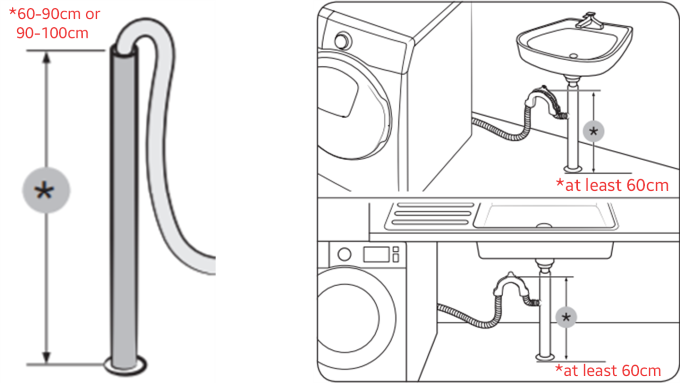
- Step 4: Position the Drain Hose
- 1. Locate the Drain Outlet
- 2. Place the Drain Hose
- 3. Check for Proper Slope
- Video on the topic
- LG – Front Load Washer Machine – Code OE – Step By Step Guild to Replace Drain Pump MODEL WM3670HVA
- How To Hookup a Washer and Dryer – Complete Guide
- Answers to frequently asked questions
Why Do You Need to Drain a Washing Machine?
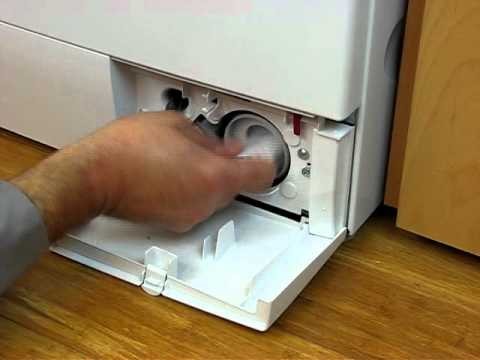
Draining a washing machine is an essential maintenance task that should be done regularly to prevent potential issues and ensure the appliance functions optimally. Here are a few reasons why you need to drain your washing machine:
1. Preventing Odors and Bacteria Growth

As you use your washing machine, dirt, detergent residue, and lint can build up in the drum, pump, and hoses. This accumulation can lead to foul odors, as well as provide a breeding ground for bacteria and mold. Draining the machine removes stagnant water and helps eliminate these unpleasant smells while preventing bacterial growth.
2. Removing Excess Detergent and Fabric Softener
Over time, detergent and fabric softener can accumulate in your washing machine, especially if you use too much product. This buildup can affect the machine’s performance and efficiency. Draining the appliance allows you to remove any excess detergent or fabric softener, ensuring that your washing machine works properly.
3. Preventing Damage from Frozen Water
If you live in an area with cold temperatures, it’s crucial to drain your washing machine before winter. Water left inside the appliance can freeze and expand, potentially causing damage to the pump, hoses, and other components. By draining the machine, you reduce the risk of frozen water wreaking havoc on your appliance.
4. Maintaining Proper Functioning
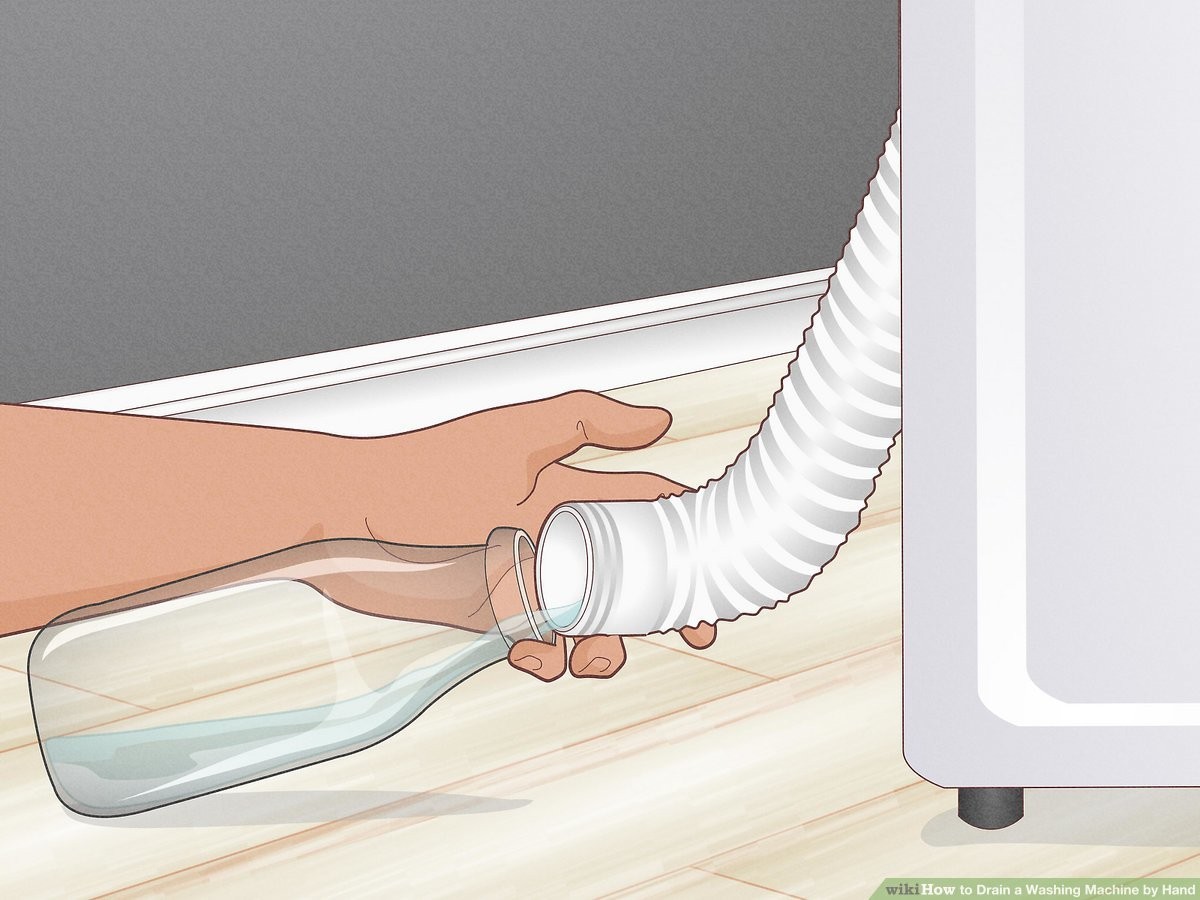
Regularly draining your washing machine helps maintain its efficiency and extends its lifespan. By removing built-up debris and deposits, you can keep the pump, hoses, and drum free from blockages. A clean and well-functioning washing machine will provide better cleaning results and use less energy.
5. Preventing Water Leakage

Occasionally, washing machines may develop leaks due to faulty hoses, damaged seals, or clogged drains. Draining your machine allows you to inspect these components and identify any potential issues before they lead to water leakage. By addressing leaks early on, you can prevent water damage to your laundry room and surrounding areas.
Regularly draining your washing machine is a simple yet effective way to ensure its longevity, performance, and cleanliness. It helps prevent odors, bacteria growth, damage, and other issues that can affect both the appliance and your laundry. By following a step-by-step guide on how to drain a washing machine, you can easily incorporate this maintenance task into your routine and keep your appliance running smoothly.
What You Will Need
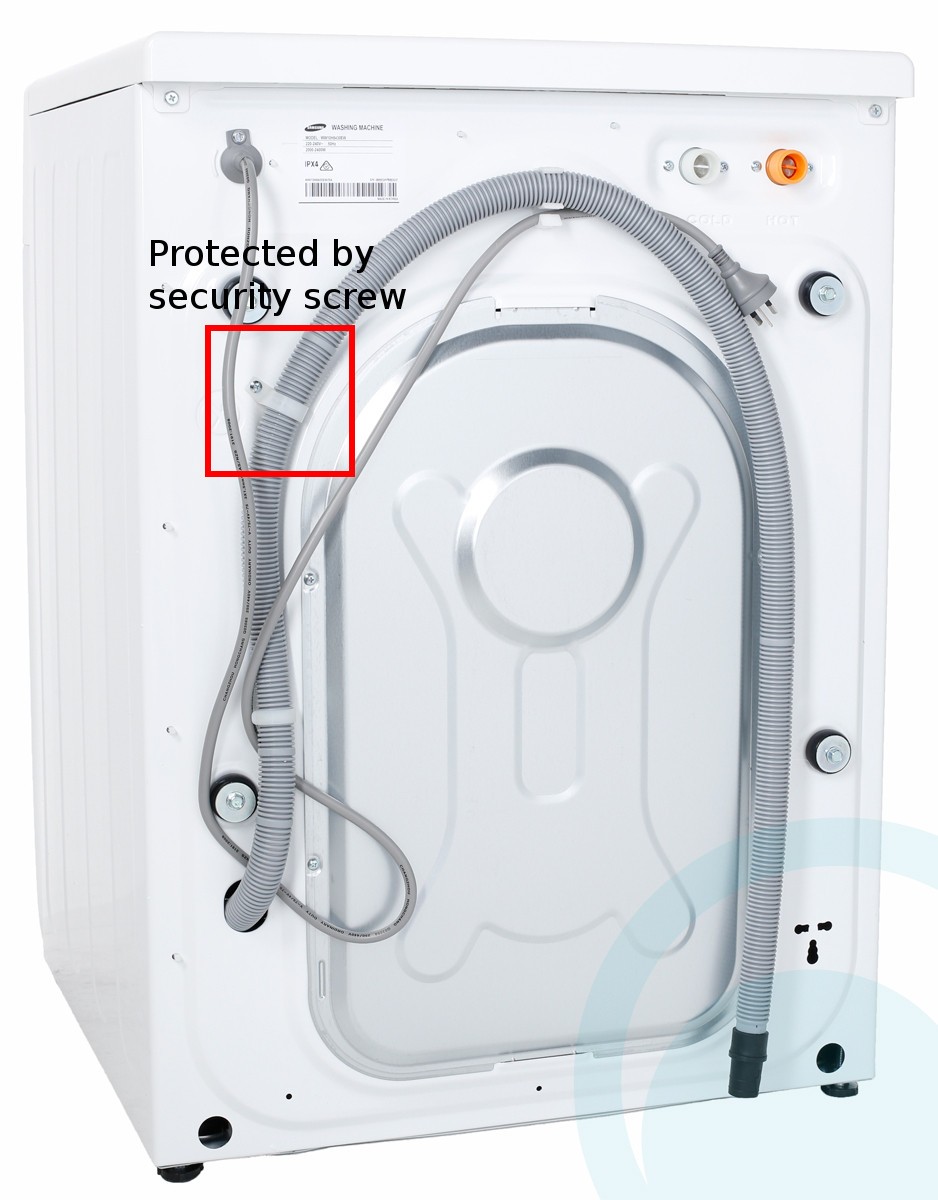
Before you begin draining your washing machine, make sure you have the following items:
- Bucket or basin: You will need a large enough container to collect the water that will be drained from your washing machine. A bucket or a basin should work fine.
- Towels or rags: It’s a good idea to have some towels or rags handy to clean up any spills or drips that may occur during the draining process.
- Plastic tubing or hose: Depending on your washing machine’s drainage system, you may need a piece of plastic tubing or hose to help direct the water flow into the bucket or basin.
- Wrench or pliers: In some cases, you may need a wrench or a pair of pliers to loosen or remove any clamps or fittings that are holding the drain hose in place.
- Instructions or manual: It’s always a good idea to have the manufacturer’s instructions or manual on hand in case you need to reference any specific steps or troubleshooting information.
Having these items ready before you start will help ensure a smooth and efficient draining process.
Step 1: Unplug the Washing Machine
Before beginning any work on your washing machine, it is important to ensure your safety by disconnecting the power supply. Unplugging the machine will prevent any risk of electric shock while you work on it.
Step 2: Locate the Drain Hose
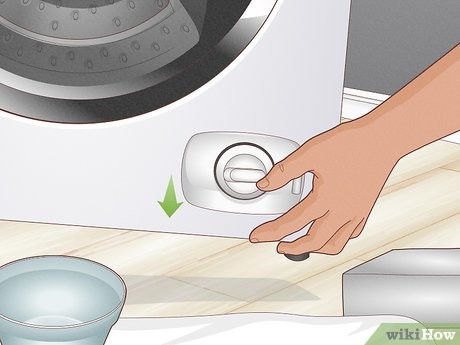
Once you have turned off the power to the washing machine and unplugged it from the wall, you can begin the process of draining the machine. The drain hose is an essential component that allows the water to flow out of the machine. To locate the drain hose, follow these steps:
1. Start by moving the washing machine away from the wall to give yourself enough space to work. You may need the help of another person to safely move the machine.
2. Once the machine is moved, check the back of the machine for a small plastic or metal panel. Remove the panel to expose the internal components of the machine.
3. Look for a flexible, usually black, hose attached to the machine. This is the drain hose. It is usually located near the bottom of the machine and is connected to a drain pump or a standpipe.
4. Carefully inspect the drain hose for any kinks, clogs, or damage. If you notice any issues, you may need to replace the hose before proceeding with the draining process.
5. Once you have located the drain hose, make sure it is easily accessible. If necessary, use a flashlight or a mirror to get a better view of the hose and its connections.
Having successfully located the drain hose, you are now ready to move on to the next step of the process. Remember to take your time and be cautious when working with the machine’s internal components.
Step 3: Prepare the Drain Hose
Before draining the washing machine, it is important to prepare the drain hose properly. Follow these steps to ensure the hose is ready for use:
- Locate the drain hose at the back of the washing machine. It is usually positioned near the bottom of the unit.
- Check the drain hose for any kinks, twists, or blockages. Straighten out any kinks or twists, and remove any blockages to ensure a smooth flow of water.
- If the drain hose is too long, consider shortening it to prevent it from becoming tangled or getting in the way during the draining process. Use a utility knife or a pair of scissors to trim the hose to the desired length.
- Ensure that the end of the drain hose is securely attached to a drain pipe or a bucket that can handle the amount of water being expelled from the washing machine. This will prevent any water from leaking or spraying out during the draining process.
- Double-check that the drain hose is secured in place and won’t come loose during operation. Use hose clamps or zip ties if necessary.
Once the drain hose is prepared, you are ready to move on to the next step of draining your washing machine.
Step 4: Position the Drain Hose
Positioning the drain hose of your washing machine is an important step to ensure proper draining of water. Follow the steps below to position the drain hose correctly:
1. Locate the Drain Outlet
First, locate the drain outlet on your washing machine. This is usually found on the back of the machine near the bottom. It is a small opening where the water drains out.
2. Place the Drain Hose
Next, take the drain hose and attach it to the drain outlet. Make sure it is securely fastened to prevent any leaks. The drain hose should fit snugly into the drain outlet. If necessary, use a hose clamp or zip tie to secure it in place.
Once the drain hose is attached, position it so that it can reach a suitable drainage location. This could be a floor drain, a sink, or a dedicated drain pipe. Make sure the drain hose is not kinked or twisted, as this can impede the flow of water.
3. Check for Proper Slope
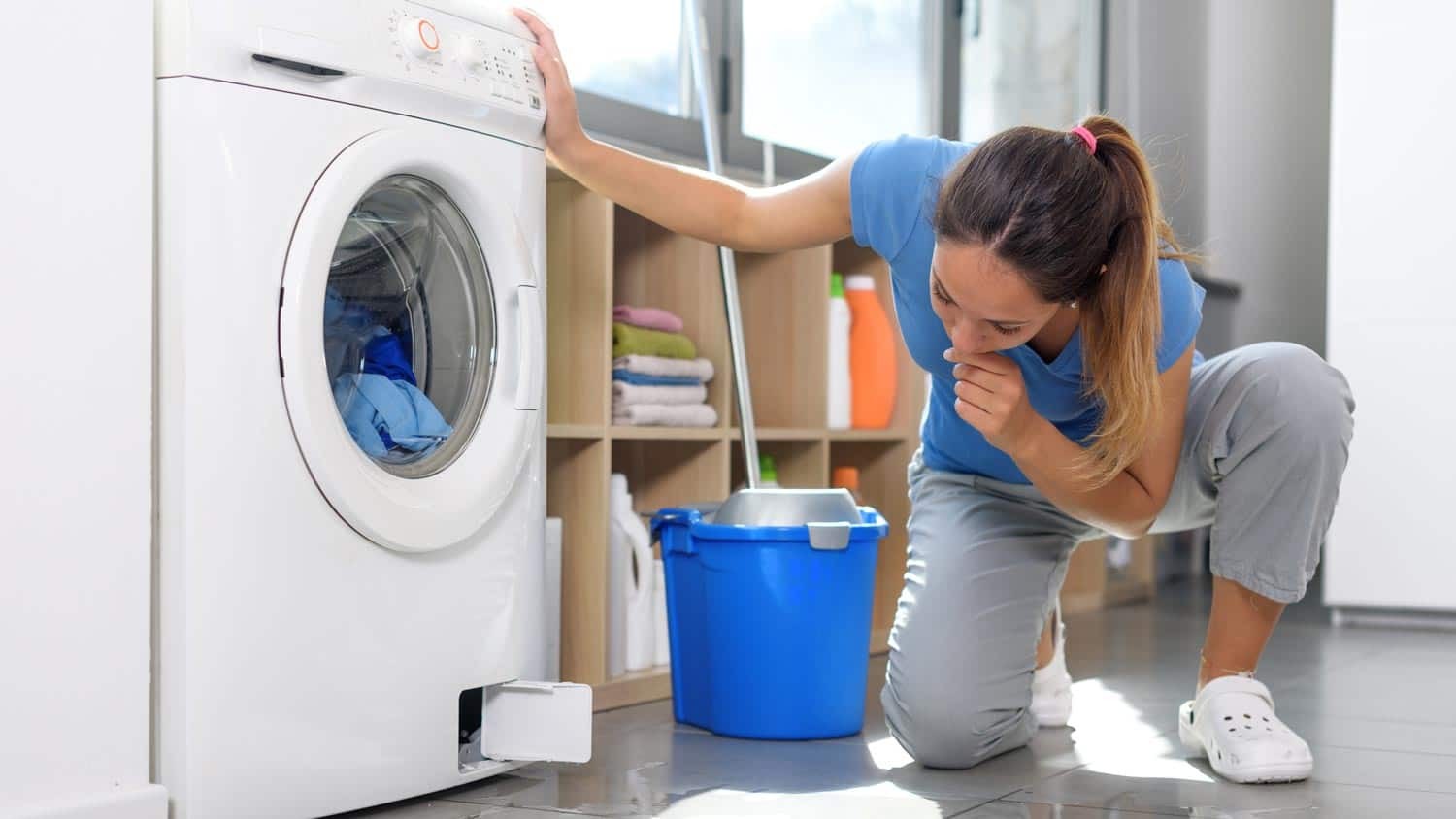
It is important that the drain hose has proper slope to allow for efficient drainage. The hose should be slightly angled downwards to facilitate the flow of water. This will prevent any backups or standing water in the hose.
Ensure that the drain hose is not extended too far or too high, as this can also affect the drainage. Ideally, the hose should be positioned no more than 60 inches from the ground and should not be higher than the top of the washing machine.
| Warning: | Do not submerge the drain hose in water or push it too far into the drain outlet, as this can cause water to back up into the machine. |
|---|
By properly positioning the drain hose, you can ensure that your washing machine drains effectively and prevents any water damage.
Video on the topic
LG – Front Load Washer Machine – Code OE – Step By Step Guild to Replace Drain Pump MODEL WM3670HVA
How To Hookup a Washer and Dryer – Complete Guide
Answers to frequently asked questions
Read more practical tips and expert opinions about modern devices at appliances-news.com. Here you will find answers to questions about any technology.