
Have you ever washed your favorite pair of sneakers only to have them come out of the washing machine with an unattractive yellow tint? You’re not alone. Many sneaker enthusiasts have experienced this frustrating discoloration. But why does it happen? And is there anything you can do to prevent it? In this article, we will explore the causes of yellowing sneakers and provide you with some solutions to keep your sneakers looking fresh and white.
One of the main causes of yellowing sneakers is the oxidation of the materials used to make them. This process occurs when the sneakers are exposed to air and light over time. The most common material that turns yellow is the rubber used in the soles of the shoes. As the rubber oxidizes, it can take on a yellowish hue. Other materials like leather and fabric can also become discolored due to oxidation.
Another common cause of yellowing sneakers is the use of bleach or other harsh chemicals during the washing process. While these chemicals may be effective at removing stains, they can also cause discoloration and damage to the materials of the shoes. If you notice your sneakers turning yellow after washing, it’s worth checking the cleaning products you’re using to see if they contain any bleaching agents.
So, what can you do to prevent your sneakers from turning yellow? One solution is to avoid exposing your sneakers to excessive sunlight or artificial light. UV rays can accelerate the oxidation process, causing yellowing to occur more quickly. Additionally, you can choose to store your sneakers in a cool, dark place when you’re not wearing them, as this can help slow down the oxidation process. When it comes to washing your sneakers, opt for gentle cleaning products that are free from bleach and other harsh chemicals. Consider using a laundry bag or pillowcase to protect your sneakers during the washing process, and try air-drying them instead of using a machine dryer.
In conclusion, yellowing sneakers can be a frustrating problem, but understanding the causes and implementing preventive measures can help keep your sneakers looking their best. By avoiding excessive sunlight exposure, using gentle cleaning products, and taking steps to protect your sneakers during washing and storage, you can help prevent yellowing and keep your sneakers looking fresh and white for longer.
- Environmental Factors
- Sunlight Exposure
- Oxidation
- Material Composition
- Washing Methods
- Stains and Detergents
- Sun Exposure
- Age and Wear
- Prevention and Solutions
- Video on the topic
- Why did my white shoes turn yellow?
- How To UNYELLOW your Sneaker SOLE | How to Whiten Your Yellowed Sneaker (Nike Air Force 1s)
- Most Frequently Asked Questions: How to Unyellow & Restore Yellowed Shoe Soles
- Answers to frequently asked questions
Environmental Factors
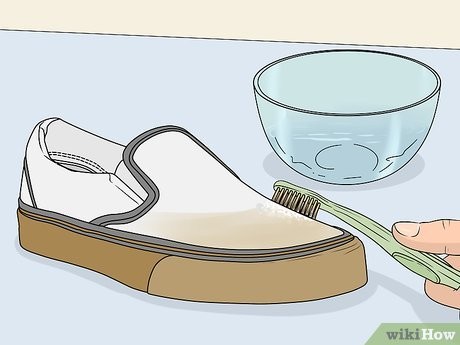
Environmental factors can also contribute to the yellowing of your sneakers after washing. Here are some common environmental factors that can cause this discoloration:
Sunlight Exposure
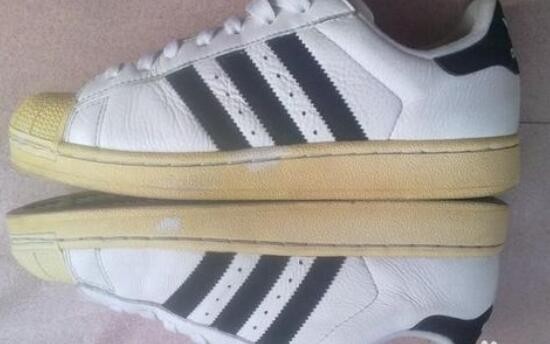
Exposure to sunlight can lead to the yellowing of sneakers, especially when they are left outside to dry. The ultraviolet (UV) rays from the sun can break down the materials in the sneakers, causing them to turn yellow over time.
Oxidation
Oxidation is another environmental factor that can cause sneakers to turn yellow. When the materials in your sneakers come into contact with oxygen in the air, they can undergo a chemical reaction that leads to discoloration. This can happen during the washing and drying process, especially if the sneakers are not thoroughly dried.
To avoid these environmental factors:
1. Always dry your sneakers indoors or in a shaded area to minimize sun exposure.
2. Ensure that your sneakers are completely dry before storing them to prevent oxidation.
By being mindful of these environmental factors, you can help preserve the color and appearance of your sneakers after washing.
Material Composition
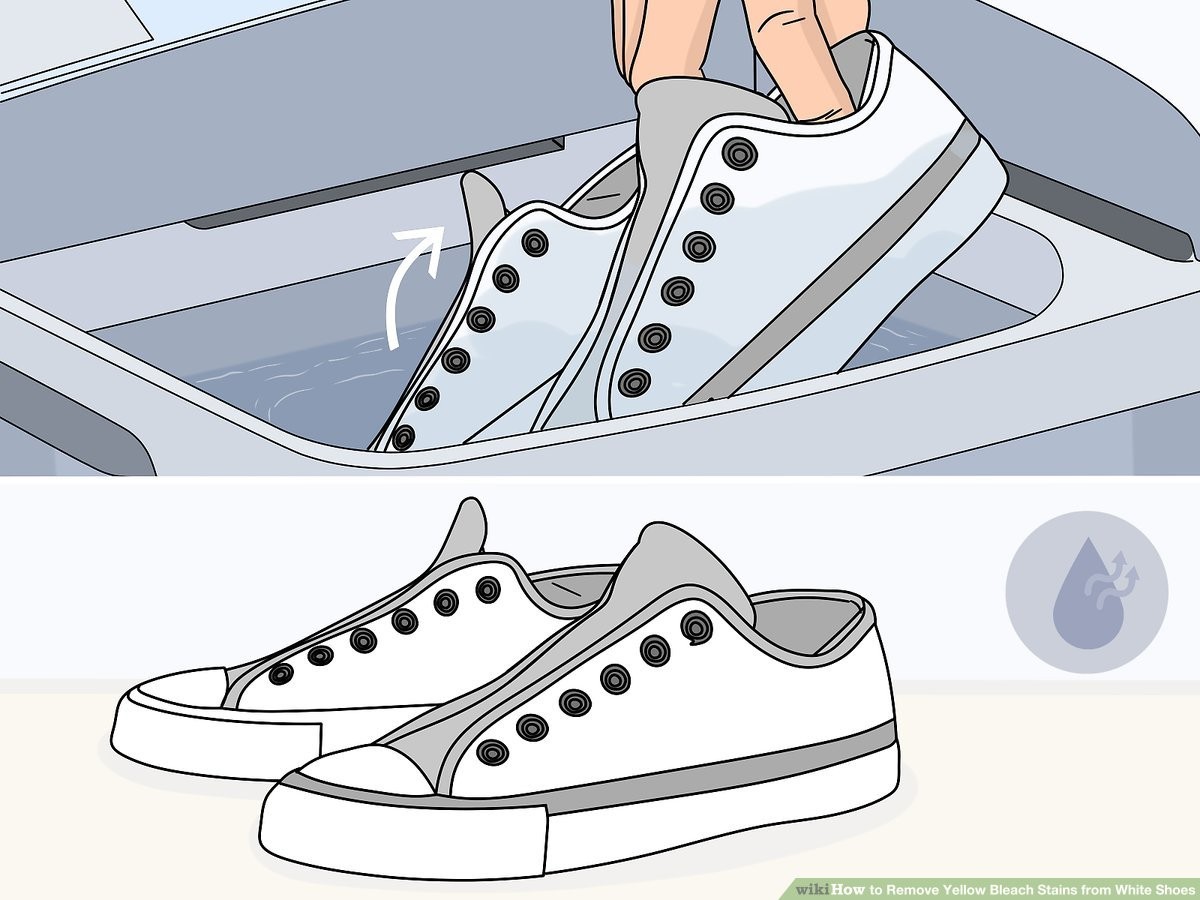
The material composition of your sneakers can play a significant role in why they may turn yellow after washing. Sneakers are commonly made from various types of materials, such as leather, canvas, synthetic fabrics, or a combination of these materials.
Leather sneakers: Genuine leather is a natural material that is generally durable and resistant to discoloration. However, poor quality or low-grade leather can react to water or cleaning agents, which may cause yellowing. Additionally, if the leather is not properly treated or protected, it can become more prone to discoloration over time.
Canvas sneakers: Canvas is a breathable fabric that is often used in sneakers. While canvas is generally less prone to yellowing, it can still be affected by certain factors. For example, if the canvas becomes stained or dirty before washing, the combination of cleaning agents and the natural oils in the fabric can result in a yellowish tinge. Additionally, if the canvas is exposed to sunlight for prolonged periods without proper protection, it can gradually fade and develop a yellowish hue.
Synthetic fabric sneakers: Many sneakers today are made from synthetic fabrics such as polyester, nylon, or mesh. These materials are often chosen for their durability, breathability, and flexibility. However, some synthetic fabrics can be more susceptible to discoloration or yellowing when exposed to certain conditions, such as high heat or prolonged contact with certain chemicals. It is essential to follow the manufacturer’s care instructions when washing sneakers made from synthetic fabrics to minimize the risk of discoloration.
Combination materials: Some sneakers may be constructed with a combination of different materials, such as leather and canvas or synthetic and natural fabrics. In these cases, it is crucial to consider the individual care requirements for each material to ensure a proper cleaning process that minimizes the risk of yellowing or discoloration.
Overall, understanding the material composition of your sneakers is essential when trying to determine the cause of yellowing after washing. By following the appropriate care instructions and using suitable cleaning products, you can help prevent or minimize discoloration and keep your sneakers looking fresh and clean.
Washing Methods

When washing your sneakers, it’s important to choose the right method to avoid yellowing. Here are a few different washing methods you can try:
1. Hand washing: This method allows you to have more control over the washing process. Start by removing the laces and brushing off any loose dirt or debris. Mix a small amount of mild detergent with warm water and use a soft brush or cloth to gently scrub the surface of the sneakers. Rinse them thoroughly with cold water to remove any soap residue.
2. Machine washing: If you prefer to use a washing machine, make sure to follow some guidelines to prevent your sneakers from turning yellow. First, place your sneakers in a laundry bag or pillowcase to protect them. Use a gentle cycle and cold water. Avoid adding any other items to the machine to prevent them from rubbing against your sneakers. Additionally, choose a mild detergent and avoid using bleach or harsh chemicals.
3. Spot cleaning: For small stains or areas that require special attention, spot cleaning is a good option. Use a mild detergent or shoe cleaner specifically designed for sneakers. Apply a small amount to a soft brush or cloth and gently scrub the stained area. Rinse with cold water and repeat as necessary until the stain is removed.
Remember to always read the care label or manufacturer’s instructions before washing your sneakers. Additionally, allow your sneakers to air dry instead of using a dryer, as excessive heat can cause the rubber and other materials to yellow. By using the right washing method and taking proper care of your sneakers, you can prevent them from turning yellow and keep them looking fresh and clean for longer.
Stains and Detergents
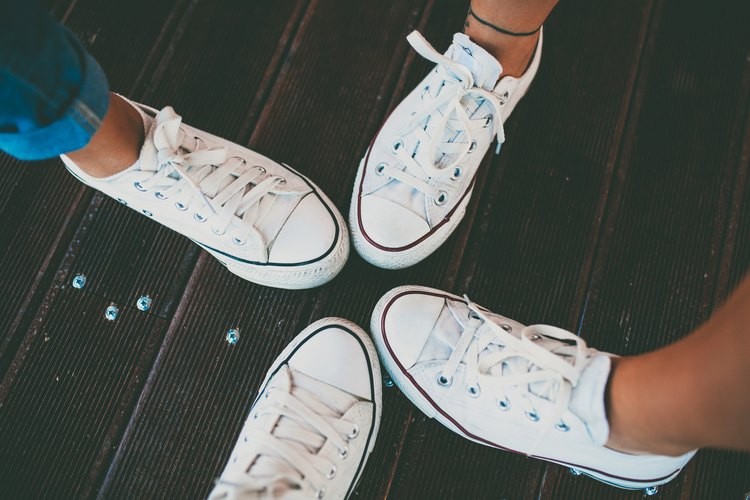
Yellow stains on sneakers after washing can be caused by a variety of factors, including the type of detergent used. Certain detergents contain optical brighteners, which are chemicals that make clothes appear brighter and whiter. These brighteners work by absorbing ultraviolet light and re-emitting it as visible light, offsetting any yellowing or dullness.
However, if the sneakers have any oil or grease stains, the optical brighteners may interact with these stains and cause a yellow discoloration. This is because the optical brighteners can bind to the oil and alter its appearance. In addition, certain detergents may not be effective in removing tough stains, leaving some residue behind that can contribute to the yellowing.
To prevent yellowing caused by detergents, it is recommended to choose a detergent specifically designed for sneakers or sports shoes. These detergents are formulated to remove tough stains while minimizing any yellowing or discoloration. Additionally, it is important to follow the instructions provided by the manufacturer, including the recommended detergent dosage and washing temperature.
In cases where the sneakers already have yellow stains, there are a few solutions to try. One option is to soak the sneakers in a mixture of water and vinegar, which can help remove stains and brighten the color. Another option is to use a bleach solution, but caution should be exercised as bleach can be harsh on certain materials. It is always recommended to test the solution on a small, inconspicuous area of the sneakers before applying it to the entire shoe.
| Detergent Tips: |
|---|
| – Choose a detergent without optical brighteners if your sneakers are prone to yellowing |
| – Follow the detergent dosage and washing temperature recommended by the manufacturer |
| – Consider using a detergent specifically designed for sneakers or sports shoes |
| – Test any cleaning solution on a small, inconspicuous area of the sneakers before applying it to the entire shoe |
Sun Exposure

Sun exposure is one of the main causes for sneakers turning yellow after washing. Over time, the sun’s ultraviolet (UV) rays can cause a chemical reaction with the materials used in the sneakers, leading to discoloration and yellowing.
UV rays break down the color molecules in the sneaker’s fabric, causing them to fade and change color. This process is known as photooxidation and is a common occurrence when materials are exposed to sunlight for extended periods.
It is important to note that not all sneakers are affected by sun exposure in the same way. Some materials, such as certain types of rubber or fabric dyes, are more prone to discoloration than others. Sneakers that have been exposed to the sun for prolonged periods or have been left outside without proper protection are more likely to turn yellow.
To prevent yellowing due to sun exposure, it is recommended to store sneakers in a cool, dark place when not in use. Avoid leaving them outdoors or in direct sunlight for extended periods. Additionally, applying a UV protectant spray specifically designed for sneakers can help minimize the effects of sun exposure.
If your sneakers have already turned yellow due to sun exposure, there are a few methods to try and restore their original color. Using a mixture of mild detergent and water, gently scrub the affected areas with a soft brush. Rinse thoroughly and allow the sneakers to air dry. If the discoloration persists, you can also try using a mixture of baking soda and hydrogen peroxide, applying it to the discolored areas and allowing it to sit for a few minutes before rinsing off.
Overall, sun exposure can be a major factor in the yellowing of sneakers. Taking preventive measures and properly caring for your sneakers can help minimize the effects of sun exposure and keep them looking new for longer.
Age and Wear
The age and wear of your sneakers can also contribute to the yellowing effect. Over time, the materials used in sneakers can deteriorate and change color. This can be especially noticeable in white or light-colored sneakers.
As sneakers are worn, they are exposed to various elements such as dirt, sweat, and environmental pollutants. These substances can build up on the surface of the sneakers and cause discoloration. Additionally, frequent washing can also contribute to the breakdown of materials and lead to a yellowing effect.
Sneakers that have been stored for a long period of time without proper protection or in a humid environment are also more prone to yellowing. The combination of moisture and exposure to air can cause oxidation and lead to discoloration.
To prevent yellowing caused by age and wear, it is important to properly care for your sneakers. Here are some tips:
- Avoid exposing your sneakers to excessive sunlight, as UV rays can accelerate the yellowing process.
- Clean your sneakers regularly using a gentle cleanser or mild soap specifically designed for sneakers.
- Avoid using harsh chemicals or bleach, as they can damage the materials of your sneakers.
- If possible, remove the laces and insoles before washing to prevent rubbing and friction.
- Dry your sneakers in a well-ventilated area, away from direct heat sources, to avoid shrinkage or deformation of the materials.
- Store your sneakers in a cool, dry place, preferably in a shoe box or cloth bag, to protect them from dust and humidity.
By following these tips, you can help prolong the lifespan of your sneakers and prevent them from turning yellow due to age and wear.
Prevention and Solutions
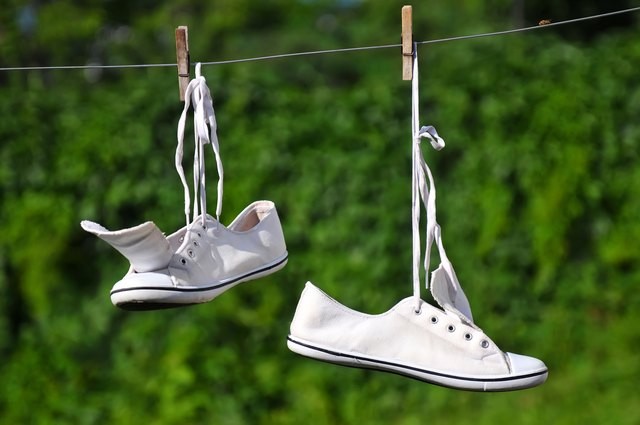
To prevent yellowing of your sneakers after washing, it is important to take certain precautions. First and foremost, always read the care instructions provided by the manufacturer before washing your sneakers. Different materials require different cleaning methods, and using the wrong one can result in discoloration.
If your sneakers are made of canvas or fabric, it is recommended to remove the laces and insoles before washing. This helps prevent them from absorbing any colors or cleaning agents that can cause yellowing. Additionally, placing the sneakers in a mesh laundry bag or pillowcase can help protect them from getting tangled or damaged in the washing machine.
When it comes to washing, use a mild detergent that is specifically formulated for sneakers or delicate fabrics. Harsh detergents, bleach, or strong cleaning agents can cause discoloration. It is also advisable to wash your sneakers on a gentle cycle with cold water to minimize the risk of color fading or yellowing.
| Precautions: | Solutions: |
|---|---|
| Read care instructions before washing | Use a mild detergent for sneakers |
| Remove laces and insoles | Wash on a gentle cycle with cold water |
| Place sneakers in a mesh laundry bag | Avoid using bleach or strong cleaning agents |
In case your sneakers have already turned yellow after washing, there are a few solutions you can try. One option is to mix equal parts of hydrogen peroxide and water, and then apply the mixture to the yellowed areas using a clean cloth or sponge. Let it sit for a few minutes before rinsing off with cold water. Another solution is to soak your sneakers in a mixture of warm water and baking soda for about 30 minutes, and then scrub the yellowed areas with a soft brush or toothbrush.
It’s important to note that while these solutions may help to reduce the yellowing, they may not completely eliminate it. Therefore, it is best to take proper care of your sneakers to prevent yellowing in the first place.
Video on the topic
Why did my white shoes turn yellow?
How To UNYELLOW your Sneaker SOLE | How to Whiten Your Yellowed Sneaker (Nike Air Force 1s)
Most Frequently Asked Questions: How to Unyellow & Restore Yellowed Shoe Soles
Answers to frequently asked questions
Read more practical tips and expert opinions about modern devices at appliances-news.com. Here you will find answers to questions about any technology.


