
If you have ever heard your washing machine emit a high-pitched whistling sound, you know how annoying it can be. But what causes this whistling noise? Is it something you should be concerned about? In this article, we will explore the possible reasons for your washing machine’s whistle and what you can do to fix it.
One possible explanation for the whistling sound is a loose or damaged belt. Over time, the belt that drives the drum of your washing machine can become worn out or misaligned. This can cause it to slip or make contact with other parts of the machine, creating a high-pitched noise. If you suspect that a loose or damaged belt is the culprit, it is best to call a professional technician to replace it.
Another reason for the whistling noise could be a clogged water inlet valve. The water inlet valve is responsible for controlling the flow of water into your washing machine. If it becomes clogged with debris or mineral deposits, it can restrict the flow and create a whistling sound. To fix this issue, you can try cleaning the valve with a mixture of vinegar and water. If the problem persists, it is recommended to consult a professional.
In rare cases, the whistling sound may indicate a more serious problem with the internal components of your washing machine. This could include issues with the motor, bearings, or even the water pump. If you have ruled out other potential causes and the whistling noise continues, it is crucial to seek professional help to diagnose and repair the problem.
In conclusion, a whistling washing machine can be a nuisance, but it is often fixable. By identifying the possible causes of the whistling sound and taking appropriate action, you can enjoy a quiet and smoothly running washing machine once again.
- Why Is Your Washing Machine Whistling?
- Common Causes of Whistling Noises
- 1. Water Pressure
- 2. Water Inlet Valve
- 3. Drain Hose
- Mechanical Problems that Cause Whistling
- 1. Worn-out Belts
- 2. Faulty Bearings
- 3. Loose Parts
- 4. Clogged Water Inlet Valve
- How to Diagnose the Whistling Noise
- Steps to Fix a Whistling Washing Machine
- 1. Check the Water Pressure
- 2. Inspect the Inlet Valves
- 3. Clean the Filters
- 4. Inspect the Water Supply Hoses
- 5. Check the Drain Hose
- 6. Call a Professional
- Tips for Preventing Whistling Noises
- 1. Check the Water Supply
- 2. Inspect the Water Inlet Hoses
- 3. Clean the Filters
- 4. Level the Machine
- 5. Reduce the Load Size
- Importance of Regular Maintenance
- Video on the topic
- DaNang: It’s Where the People Are.
- Get Rid of Front Loader Washer Stink!
- Fixing A Maytag/Whirlpool Washer That Is Shaking And Making Loud Banging Noises!
- Top-Load Washer Is Noisy — Washing Machine Troubleshooting
- How to Do a Whirlpool Washer Reset & Recalibration
- Answers to frequently asked questions
Why Is Your Washing Machine Whistling?
If your washing machine is making a whistling noise, it can be quite bothersome and may indicate a problem that needs attention. The whistling sound may vary in pitch and intensity, and it can be intermittent or constant. Here are a few possible reasons why your washing machine is whistling:
- Water pressure: Low water pressure can lead to a whistling noise in your washing machine. Insufficient water flow can cause vibrations in the pipes or create air gaps, resulting in the whistling sound. Check the water pressure in your home and ensure it meets the recommended level for your washing machine.
- Inlet valve: A faulty or partially clogged inlet valve can also cause a whistling noise. The inlet valve controls the flow of water into the washing machine. If it is not functioning properly, it can create unusual noises. Clean or replace the inlet valve if necessary to resolve the issue.
- Water supply hoses: Damaged or kinked water supply hoses can restrict the flow of water and lead to a whistling noise. Inspect the hoses connected to your washing machine for any signs of damage or obstruction. Replace them if needed to eliminate the whistling sound.
- Pump filter: A clogged pump filter can cause the water to flow irregularly, resulting in a whistling sound. It is essential to regularly clean the pump filter to prevent debris from blocking the water flow. Refer to the manufacturer’s instructions on how to locate and clean the pump filter.
- Bearing or belt issues: Worn-out bearings or a loose belt can make your washing machine produce a whistling noise. The bearings provide support to the drum, and the belt helps rotate it. If either of these components is worn or damaged, it can cause the machine to whistle. Consult a professional technician to inspect and replace the faulty parts.
Remember, if your washing machine continues to whistle even after troubleshooting these issues, it is best to seek professional help. A qualified technician can diagnose the problem accurately and provide the necessary repairs to eliminate the whistling noise.
Common Causes of Whistling Noises

Whistling noises coming from your washing machine can be annoying and concerning. These noises can be caused by a variety of factors. Here are some common causes of whistling noises in washing machines:
1. Water Pressure
One possible cause of whistling noises is high water pressure. If the water pressure in your home is too high, it can cause the water to flow through the pipes too quickly, leading to whistling sounds. You can try adjusting the water pressure to see if it makes a difference in the noise level.
2. Water Inlet Valve
The water inlet valve is responsible for controlling the water flow into the washing machine. If this valve is not functioning properly, it can cause a whistling sound. Check the valve for any signs of damage or clogs and replace it if necessary.
3. Drain Hose
The drain hose is responsible for removing the wastewater from the washing machine. If the drain hose is kinked or obstructed, it can cause a whistling noise. Check the drain hose for any blockages or damage and make sure it is properly connected to the drain pipe.
Remember, if you’re not comfortable troubleshooting or fixing the issue yourself, it’s always best to call a professional. They can identify the exact cause of the whistling noise and make the necessary repairs.
By identifying and addressing the common causes of whistling noises in your washing machine, you can ensure a quieter and more efficient laundry experience.
Mechanical Problems that Cause Whistling
If your washing machine is whistling, it could be due to several mechanical problems. Here are some common issues that could be causing the whistle:
1. Worn-out Belts
One possible cause of a whistling noise in your washing machine is worn-out belts. Over time, the belts that help the drum spin may start to deteriorate or become loose, resulting in a high-pitched whistling sound. If you suspect this is the problem, you may need to replace the belts to eliminate the whistle.
2. Faulty Bearings
Another mechanical issue that can cause a whistling sound is faulty bearings. The bearings support the drum and ensure it spins smoothly. If the bearings become worn or damaged, they may start to emit a whistling noise as they struggle to perform their function properly. In this case, you may need to replace the bearings to resolve the whistling problem.
3. Loose Parts
Loose parts within the washing machine can also lead to whistling noises. Check for any loose screws, bolts, or other components that might be causing vibrations and resulting in a whistling sound. Tighten or replace any loose parts to eliminate the whistle.
4. Clogged Water Inlet Valve
A clogged water inlet valve can also be a culprit behind the whistling noise. The water inlet valve controls the flow of water into the washing machine. If it becomes clogged with debris or mineral deposits, it may produce a high-pitched whistle as water tries to pass through. Cleaning or replacing the water inlet valve can help resolve the issue.
If you are not confident in diagnosing and fixing these mechanical problems yourself, it is recommended to consult a professional washing machine technician. They will have the expertise and tools to accurately identify the issue and provide the necessary repairs to eliminate the whistling noise.
How to Diagnose the Whistling Noise
When your washing machine starts making a whistling noise, it can be both annoying and concerning. Fortunately, diagnosing the cause of the noise can help you determine whether it’s a minor issue that you can fix yourself or if it requires professional assistance. Here are some steps to help you diagnose the whistling noise:
1. Check the water supply:
The first thing you should do is check the water supply to the washing machine. Make sure the water valves are fully open and there are no obstructions or kinks in the water hoses. A restricted water supply can cause the machine to make unusual noises, including a whistling sound.
2. Examine the water inlet valve:
If the water supply seems to be fine, the next step is to inspect the water inlet valve. This valve is responsible for controlling the flow of water into the machine. If it becomes damaged or clogged with debris, it can result in a whistling noise during operation. You can clean or replace the valve if necessary.
3. Inspect the drain hose:
A blocked or improperly installed drain hose can also be the culprit behind the whistling noise. Check the drain hose for any obstructions or kinks that may be causing the noise. Ensure that the hose is properly attached and positioned to allow for smooth water drainage.
4. Insulate the water pipes:
In some cases, the whistling noise may be caused by water pipes vibrating against each other or other surfaces. Insulating the pipes with foam or other materials can help eliminate the noise by preventing them from coming into contact with surrounding objects.
5. Call a professional:
If the above steps do not resolve the issue, it’s advisable to contact a professional appliance repair technician. They have the expertise to diagnose and fix complex problems with your washing machine. Attempting to fix more complicated issues yourself can lead to further damage or personal injury.
By following these steps, you can identify and address the cause of the whistling noise in your washing machine. Whether it’s a simple fix or a more significant problem, taking action promptly can help prevent further damage and ensure the longevity of your appliance.
Steps to Fix a Whistling Washing Machine
If your washing machine is making a whistling sound, it can be quite annoying and indicate that there is a problem. Luckily, there are steps you can take to fix a whistling washing machine on your own. Here are some troubleshooting tips:
1. Check the Water Pressure
High water pressure can cause a whistling sound in your washing machine. To check the water pressure, turn off the washing machine and disconnect the hoses. Place the disconnected hoses into a bucket and turn on the water supply. If the water pressure is too high, you may need to install a pressure regulator to reduce it to an appropriate level for your washing machine.
2. Inspect the Inlet Valves
Check the inlet valves to ensure they are fully open and not partially closed. Partially closed valves can cause a whistling noise as water tries to pass through. If the valves are not fully open, turn off the water supply and use pliers to gently turn the valves counterclockwise until they are fully open.
3. Clean the Filters
Clogged filters can restrict water flow and create a whistling sound. Locate the water inlet filters, which are usually located at the back of the washing machine where the hoses connect. Remove the filters and clean them with a soft brush under running water. Once cleaned, reattach the filters securely.
4. Inspect the Water Supply Hoses
Check the water supply hoses for any kinks or bends that may be restricting water flow. Straighten out any kinks or replace the hoses if they are damaged. Additionally, ensure that the hoses are securely connected to the washing machine and water supply valves.
5. Check the Drain Hose

A partially clogged or improperly installed drain hose can cause water to flow back into the washing machine, creating a whistling sound. Inspect the drain hose for any clogs, making sure it is free of debris. Ensure that the drain hose is properly installed and positioned according to the manufacturer’s guidelines.
6. Call a Professional
If you have tried the above steps and your washing machine is still whistling, it is recommended to call a professional appliance repair technician. They will have the expertise to diagnose and repair any underlying issues that may be causing the whistling sound.
By following these steps, you can troubleshoot and fix a whistling washing machine. Remember to always prioritize safety when working with appliances and consult the manufacturer’s instructions for specific guidance.
| Problem | Possible Cause | Solution |
|---|---|---|
| Whistling sound | High water pressure | Install a pressure regulator to reduce water pressure |
| Whistling Sound | Partially closed inlet valves | Open the inlet valves fully |
| Whistling Sound | Clogged filters | Clean the water inlet filters |
| Whistling Sound | Kinked or damaged water supply hoses | Straighten out kinks or replace hoses if damaged |
| Whistling Sound | Clogged or improperly installed drain hose | Inspect and clean the drain hose, ensure proper installation |
Tips for Preventing Whistling Noises
If you’ve been experiencing whistling noises coming from your washing machine, here are some tips to help prevent them:
1. Check the Water Supply
The water supply is often the culprit behind whistling noises in a washing machine. Make sure the water valves are fully open and that the water pressure is within the recommended range for your machine. Low water pressure can cause whistling sounds as the water tries to make its way through the machine.
2. Inspect the Water Inlet Hoses
Examine the water inlet hoses for any kinks or blockages. If the hoses are bent or twisted, it can restrict the water flow and cause whistling noises. Straighten out any kinks and remove any obstructions. If the hoses are old or damaged, consider replacing them to prevent future issues.
3. Clean the Filters
Over time, debris and residue can accumulate in the filters of the washing machine, causing water flow restrictions and leading to whistling noises. Regularly clean the filters to ensure proper water flow and prevent build-up that can result in whistling sounds.
4. Level the Machine
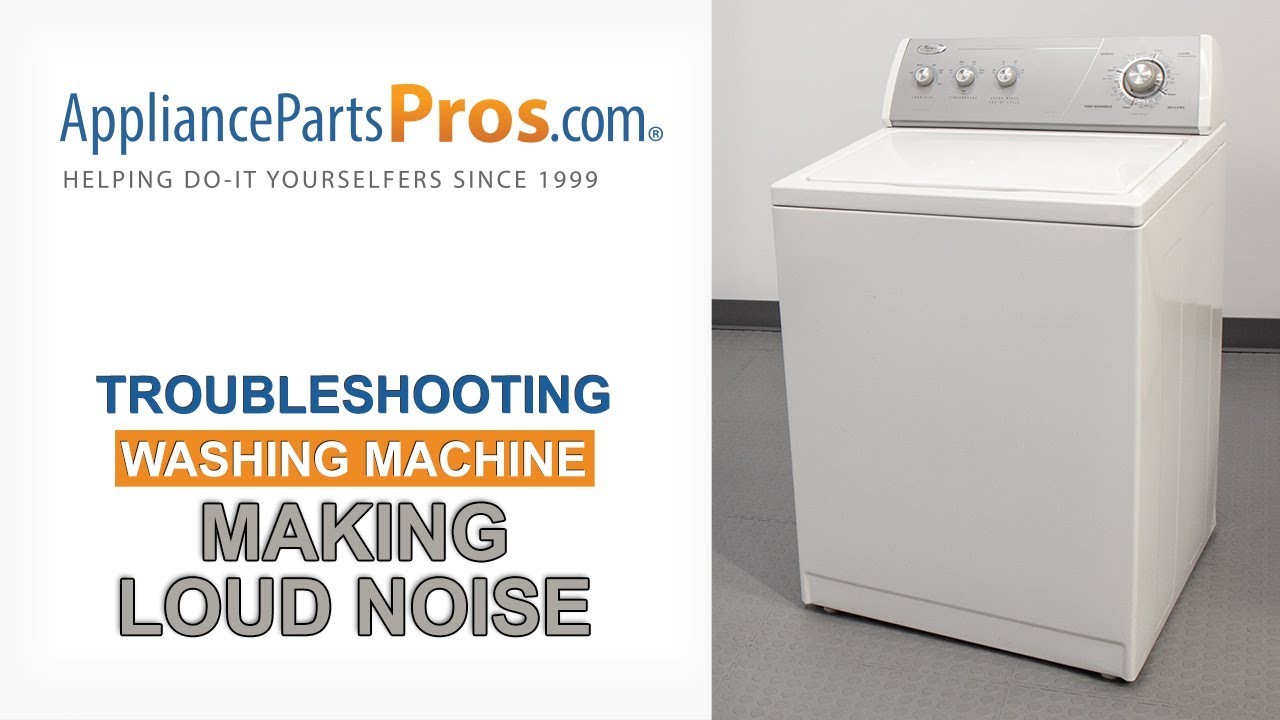
An unbalanced or improperly leveled washing machine can cause excessive vibrations and noise, including whistling sounds. Ensure that the machine is placed on a level surface and adjust the leveling feet as necessary. Using a level tool can help you determine if the machine is balanced correctly.
5. Reduce the Load Size
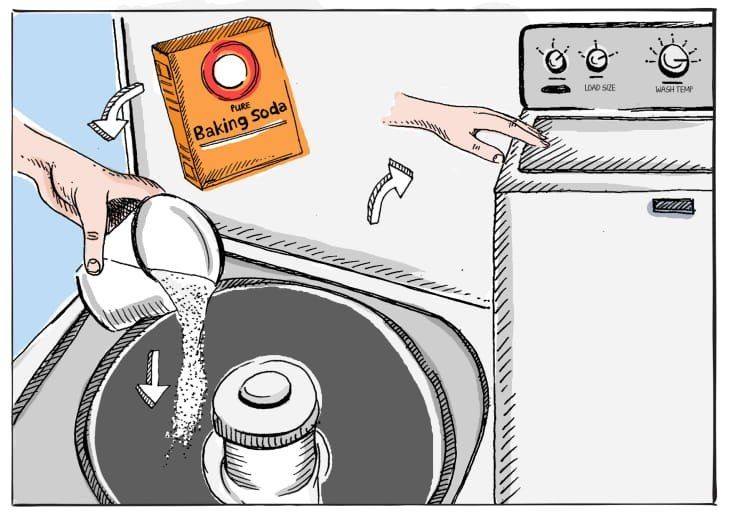
Overloading the washing machine can strain the motor and create excessive noise, including whistling sounds. Follow the recommended load size guidelines for your machine to prevent overloading and minimize the risk of whistling noises.
By following these tips, you can prevent whistling noises in your washing machine and maintain a quiet and efficient laundry experience.
Importance of Regular Maintenance
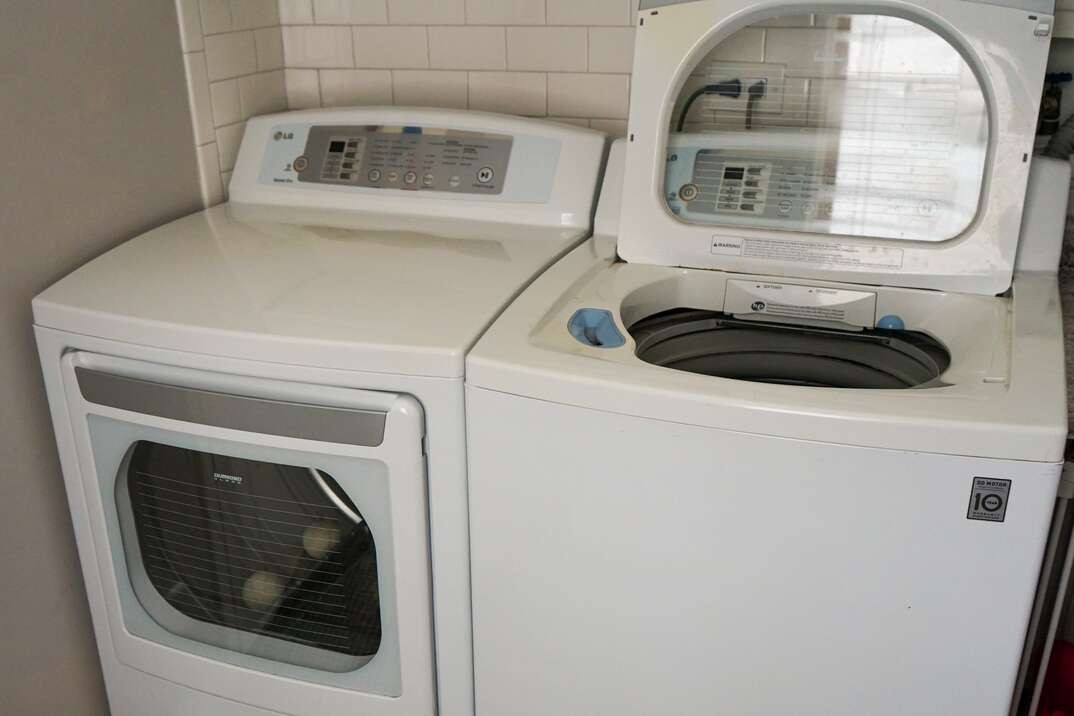
Regular maintenance of your washing machine is essential to keep it running smoothly and to avoid any potential issues. By taking the time to properly maintain your washing machine, you can extend its lifespan and ensure optimal performance.
Here are some reasons why regular maintenance is important:
|
Prevent Breakdowns |
Regular maintenance helps identify and fix any potential problems before they lead to a breakdown. By addressing small issues early on, you can avoid costly repairs or the need to replace your washing machine altogether. |
|
Efficient Operation |
A well-maintained washing machine operates more efficiently, saving you both time and money. It ensures that your clothes are thoroughly cleaned without wasting water or energy. |
|
Improved Performance |
Regular maintenance keeps your washing machine in optimal condition, which leads to improved performance. You’ll notice cleaner clothes and shorter washing cycles. |
|
Preventative Care |
By performing regular maintenance, you can prevent the build-up of dirt, debris, and mineral deposits that can affect your washing machine’s performance. This includes cleaning the drum, filters, and detergent dispensers. |
|
Longer Lifespan |
Proper maintenance can significantly extend the lifespan of your washing machine. By keeping it well-maintained, you can avoid premature wear and tear and enjoy your appliance for many years to come. |
It is important to follow the manufacturer’s instructions for maintenance and schedule regular check-ups with a professional if needed. Taking care of your washing machine with regular maintenance will save you time, money, and the hassle of dealing with unexpected breakdowns.
Video on the topic
DaNang: It’s Where the People Are.
Get Rid of Front Loader Washer Stink!
Fixing A Maytag/Whirlpool Washer That Is Shaking And Making Loud Banging Noises!
Top-Load Washer Is Noisy — Washing Machine Troubleshooting
How to Do a Whirlpool Washer Reset & Recalibration
Answers to frequently asked questions
Read more practical tips and expert opinions about modern devices at appliances-news.com. Here you will find answers to questions about any technology.


