
Keeping your clothes clean and fresh is essential for maintaining a polished appearance and prolonging the lifespan of your garments. When it comes to washing machines, Beko models are known for their efficiency and reliability. Whether you’re a proud owner of a Beko washing machine or considering purchasing one, it’s important to understand how to operate it correctly. In this guide, we will provide you with step-by-step instructions on how to use your Beko washing machine effectively.
Step 1: Sort your laundry
Before loading your washing machine, it’s crucial to sort your laundry properly. Sort your clothes by color and fabric type. This will prevent color bleeding and ensure that delicate fabrics are not subjected to harsh washing cycles. Remember to check garment labels for any specific care instructions.
Step 2: Pre-treat stains
If you have any stubborn stains on your clothes, it’s a good idea to pre-treat them before washing. Apply a small amount of stain remover or liquid detergent directly to the stain and gently rub it in. Let it sit for a few minutes before proceeding to the next step.
Step 3: Load the washing machine
Open the door of your Beko washing machine and load your sorted laundry. Be careful not to overload the machine, as this can affect the washing performance and result in clothes not being cleaned properly. Make sure the clothes are evenly distributed inside the drum.
Step 4: Choose the right program
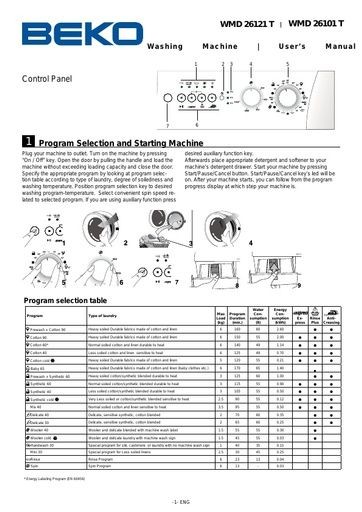
Refer to your Beko washing machine’s user manual to select the appropriate washing program for your laundry. Different programs are designed for different fabric types and levels of dirtiness. Choose a program that matches your needs and preferences.
Step 5: Set the temperature and additional options (if applicable)
If you want to adjust the temperature or add any extra options, such as extra rinsing or a shorter cycle, use the control panel on your Beko washing machine. Make sure to follow the guidelines provided in the user manual for optimal results.
Step 6: Start the washing cycle
Once you have selected the program, temperature, and any additional options, it’s time to start the washing cycle. Press the start button on your Beko washing machine, and the machine will begin to fill with water and agitate your clothes. It’s important to close the door securely to prevent any water leakage.
Follow these step-by-step instructions to ensure that your Beko washing machine operates efficiently and effectively. By properly caring for your machine and following the recommended guidelines, you can enjoy clean and fresh laundry for years to come.
- Overview of Beko Washing Machines
- Efficiency
- Capacity
- Programs and Features
- Step 1: Preparing the Washing Machine
- 1.1 Position the Machine
- 1.2 Level the Machine
- 1.3 Connect the Water Supply
- 1.4 Plug in the Machine
- 1.5 Check the Water Drainage
- Checking the Water Connections
- Step 1: Turn off the Water Supply
- Step 2: Inspect the Water Inlet Hoses
- Step 3: Ensure Tight Connections
- Step 4: Check for Leaks
- Step 5: Test the Water Supply
- Step 2: Loading the Laundry
- Sorting and Preparing the Clothes
- Step 1: Sort the Clothes
- Step 2: Check the Labels
- Step 3: Empty the Pockets
- Step 4: Remove Stains
- Step 5: Turn Delicate Items Inside Out
- Step 3: Selecting the Wash Cycle
- 1. Turn on the machine
- 2. Choose the desired program
- 3. Select additional options (if applicable)
- Understanding the Different Wash Programs
- Delicates
- Cotton
- Synthetics
- Video on the topic
- Beko WDL742441W 7kg 1200 Spin Washer Dryer
- How to use my Beko washing machine for optimal performance
- How to Clean Your Washing Machine Naturally (Quick and Cheap)
- How to Use a European Washing Machine by Jocelyn
- How to use washing machine programs? | by Beko
- Answers to frequently asked questions
Overview of Beko Washing Machines
Beko is a leading manufacturer of washing machines known for their durability, innovation, and user-friendly features. They offer a wide range of models that cater to the varying needs of different households.
Efficiency
Beko washing machines are designed to be energy-efficient, helping you save both money and the environment. Many models have high energy ratings and use advanced technology to minimize water and electricity consumption.
Capacity
Beko offers washing machines with different capacity options to suit different laundry needs. Whether you have a small household or a large family, you can find a Beko model that can handle your laundry load efficiently.
Programs and Features
Beko washing machines come with a wide range of programs and features that make laundry tasks easier and more convenient. Some models have specialized programs for different types of fabrics, such as cotton, wool, and delicate items. Other features include quick wash, delay start, and child lock for added safety.
| Model | Capacity | Energy Rating | Programs | Features |
|---|---|---|---|---|
| Beko Model A | 8kg | A+++ | 15 | Quick wash, delay start |
| Beko Model B | 10kg | A++ | 20 | Specialized programs, child lock |
| Beko Model C | 6kg | A+ | 10 | Energy-saving mode, time delay |
These are just a few examples of the many Beko washing machine models available. Each model offers a unique combination of capacity, energy efficiency, programs, and features, allowing consumers to find the perfect fit for their laundry needs.
Overall, Beko washing machines are a reliable choice for anyone looking for a high-quality and efficient appliance to help tackle their laundry duties.
Step 1: Preparing the Washing Machine
Before starting your laundry, it is important to properly prepare your Beko washing machine. Follow these simple steps to ensure your machine is ready for use:
1.1 Position the Machine
Choose a flat and stable surface to place your washing machine. Avoid placing it on uneven or carpeted floors, as it may cause the machine to vibrate excessively during the spin cycle.
1.2 Level the Machine
Using a spirit level, check if the machine is level. Adjust the adjustable feet of the machine to ensure it is perfectly level. This will help minimize vibration and noise during operation.
1.3 Connect the Water Supply
Connect the water supply hoses securely to the back of the machine. Ensure that the cold water tap is completely turned on. If necessary, you can use a Y-piece connector to connect the hot and cold water pipes together.
1.4 Plug in the Machine
Insert the washing machine’s plug into a grounded electrical outlet. Ensure that the electrical supply matches the machine’s requirements. Avoid using extension cords or adapters, as they may cause electric shock or damage to the machine.
1.5 Check the Water Drainage
Make sure the end of the drain hose is securely connected to a drain standpipe or a sink. Ensure that the hose is not bent, kinked, or blocked, as this can prevent proper drainage and cause issues during the wash cycle.
By following these steps, you have successfully prepared your Beko washing machine for use. Now you can move on to the next step of loading your laundry and selecting a wash program.
Checking the Water Connections
Before using your Beko washing machine, it is important to check the water connections to ensure proper functioning. Follow these steps to ensure a secure and leak-free connection:
Step 1: Turn off the Water Supply
Before checking the connections, locate the shut-off valve for the water supply. Turn it off to prevent any leakage or water damage during the inspection process.
Step 2: Inspect the Water Inlet Hoses
Take a close look at the water inlet hoses connected to the back of your washing machine. Check for any signs of damage, such as cracks or bulges. If you notice any issues, replace the hoses before proceeding.
Step 3: Ensure Tight Connections
Make sure the water inlet hoses are tightly secured to both the washing machine and the water supply valve. Use adjustable pliers to ensure a snug fit without over-tightening.
Step 4: Check for Leaks

Once the connections are secure, turn on the water supply and inspect for any leaks. Pay close attention to the hose connections and the valves. If you notice any leaks, tighten the connections further or replace the faulty parts.
Note: It is important to check the water connections periodically to prevent potential leaks and water damage.
Step 5: Test the Water Supply

Once you have checked and secured the connections, run a test cycle on your Beko washing machine. Ensure that the water supply is reaching the machine properly and that there are no further leaks during operation.
By following these steps, you can ensure that your Beko washing machine has a properly connected water supply, reducing the risk of leaks and improving its overall performance.
Step 2: Loading the Laundry
Properly loading the laundry into your Beko washing machine will ensure that your clothes come out clean and undamaged. Follow these steps to load your laundry:
1. Sort your laundry into piles based on color and fabric type. Separate whites, darks, and delicates to prevent color bleeding and damage.
2. Check the care labels on your clothing items to determine the appropriate washing temperature and cycle. Refer to the Beko user manual for recommended settings for different fabric types.
3. Open the washing machine lid or door and make sure it is completely open and stable.
4. Place the sorted laundry into the drum of the washing machine. Avoid overloading the machine, as this can affect the washing performance and may cause damage.
5. Spread the laundry evenly in the drum to ensure proper washing. Ensure that there are no twisted or tangled items.
6. Close the washing machine lid or door firmly. Make sure it is securely locked before proceeding.
7. Double-check that no items are stuck in the rubber seal or protruding from the drum.
8. After loading the laundry, you can add detergent and any necessary fabric softener or stain remover according to the product instructions.
9. Once the laundry and detergent are properly loaded, you can proceed to select the desired wash program and start the washing machine.
By following these steps, you will be able to effectively load your laundry into your Beko washing machine and ensure optimal cleaning results without damaging your clothes.
Sorting and Preparing the Clothes
Before you start using your Beko washing machine, it is important to sort and prepare your clothes. This will help ensure optimal washing results and prevent any damage to your clothes or the machine.
Step 1: Sort the Clothes
Begin by sorting your clothes into different piles based on their color, fabric type, and level of dirtiness. Sorting your clothes will prevent color bleeding and help ensure that each load is washed at the appropriate temperature and with the right cycle settings.
Step 2: Check the Labels

Once you have sorted your clothes, check the care labels on each garment to determine the recommended washing instructions. Follow these instructions to avoid damaging delicate fabrics or shrinking clothes that require special care.
Step 3: Empty the Pockets

Before placing your clothes in the washing machine, make sure to empty all pockets. This will help prevent damage to the clothes or the machine and ensure a more effective wash.
Step 4: Remove Stains
If you have any clothes with stains, it is recommended to treat them before washing. This can be done by using a stain remover or pre-soaking the garment in a mixture of water and detergent. Follow the instructions on the stain remover package or the garment care label for best results.
Step 5: Turn Delicate Items Inside Out
For delicate items such as lace or embroidered garments, turn them inside out before washing. This will help protect delicate details and minimize the risk of snags or damage during the wash cycle.
By following these steps to sort and prepare your clothes, you can ensure that your Beko washing machine provides optimal cleaning results and keeps your clothes looking their best.
| Tip: | If you are not sure about the best washing settings for a particular garment, it is always a good idea to err on the side of caution and choose a gentler setting. You can also consider washing the item by hand if you are unsure about its machine-washing suitability. |
|---|
Step 3: Selecting the Wash Cycle
After loading the laundry and adding detergent, it’s time to select the appropriate wash cycle for your Beko washing machine.
1. Turn on the machine
Make sure the washing machine is turned on by pressing the power button. The control panel will light up, indicating that it’s ready for use.
2. Choose the desired program
Look for the program selection button or dial on the control panel. This button may also be labeled “Program,” “Cycle,” or “Mode.” Press the button or turn the dial to navigate through the available options.
| Program | Description |
|---|---|
| Normal | Use this program for everyday laundry, including clothing and bedding. |
| Delicate | Select this program for delicate fabrics that require gentler washing. |
| Quick Wash | Choose this program for lightly soiled items that need a faster wash cycle. |
| Intensive | This program is designed for heavily soiled items or stains that require a more thorough wash. |
| Spin Only | Use this program to only spin and drain the laundry without washing. |
Refer to the user manual for a complete list of available programs and their corresponding descriptions.
3. Select additional options (if applicable)
Depending on the specific model of your Beko washing machine, you may have additional options to choose from. These options can include temperature settings, spin speed, and extra rinse cycles. Use the corresponding buttons or dials on the control panel to make these selections.
Keep in mind that the available options may vary between different models, so consult the user manual for more information on the specific features of your machine.
Once you have selected the desired wash cycle and any additional options, your Beko washing machine is ready to start. Press the start button to begin the wash cycle.
Understanding the Different Wash Programs
Modern washing machines, such as those made by Beko, come with a variety of wash programs that are designed to cater to different types of fabrics and levels of dirtiness. Understanding the different wash programs can help you achieve optimal results and prolong the life of your clothes.
Delicates
The Delicates wash program is ideal for delicate fabrics such as silk, lace, and wool. This program uses gentle agitation and low spin speed to minimize the risk of damage to your garments. It is important to use a suitable detergent specifically formulated for delicate fabrics when choosing this program.
Cotton

The Cotton wash program is specifically designed for cotton fabrics. This program typically uses higher temperatures and longer wash cycles to effectively remove stains and dirt from cotton garments. It is important to check the care labels on your cotton items to ensure that they are suitable for washing using this program.
Synthetics
The Synthetics wash program is suitable for synthetic fabrics like polyester, nylon, and acrylic. This program uses lower temperatures and shorter wash cycles to prevent shrinking and damage to synthetic garments. It is important to separate your synthetic items from cotton or delicates to avoid color bleeding or damage to delicate fabrics.
Note: Always refer to the instruction manual provided with your Beko washing machine to understand the specific features and settings of each wash program. This will help you choose the right program for your fabrics and achieve the best results.
By understanding and utilizing the different wash programs on your Beko washing machine, you can ensure that your clothes are cleaned effectively and maintain their quality for longer periods of time.
Video on the topic
Beko WDL742441W 7kg 1200 Spin Washer Dryer
How to use my Beko washing machine for optimal performance
How to Clean Your Washing Machine Naturally (Quick and Cheap)
How to Use a European Washing Machine by Jocelyn
How to use washing machine programs? | by Beko
Answers to frequently asked questions
Read more practical tips and expert opinions about modern devices at appliances-news.com. Here you will find answers to questions about any technology.


