
Shock absorbers, also known as dampers, play a crucial role in the smooth operation of a washing machine. These small but mighty devices help to absorb vibrations and shocks generated during the spin cycle, ensuring that your machine remains stable and does not shake or move excessively.
Over time, shock absorbers can wear out or become damaged, leading to poor performance and an increase in noise and vibrations. Regularly checking the condition of your washing machine’s shock absorbers is essential to maintain its efficiency and prolong its lifespan. In this DIY guide, we will walk you through the step-by-step process of inspecting and testing the shock absorbers on your washing machine.
Step 1: Preparation
Before getting started, make sure you have the necessary tools at hand, including a wrench, pliers, and a flashlight. It’s also a good idea to have a replacement set of shock absorbers ready in case they need to be replaced.
Step 2: Safety First
Always prioritize your safety when working with any electrical appliance. Ensure that your washing machine is unplugged from the power source before proceeding with any inspection or maintenance tasks. Additionally, it is best to wear gloves and safety glasses to protect yourself from any potential injuries.
Step 3: Accessing the Shock Absorbers
Locate the shock absorbers on your washing machine. They are typically found at the bottom of the machine, near the tub. Some models may require removing a panel or cover to access the shock absorbers. Consult your washing machine’s manual for specific instructions.
Step 4: Inspecting the Shock Absorbers
Once you have accessed the shock absorbers, visually inspect them for any signs of damage, such as cracks, leaks, or excessive wear. Use a flashlight if necessary to get a better view. If you notice any of these issues, it is a clear indication that the shock absorbers need to be replaced.
Step 5: Testing the Shock Absorbers
To test the effectiveness of the shock absorbers, gently push down on the drum or tub of the washing machine. It should bounce back up and settle quickly. If there is excessive bouncing or the drum takes a long time to settle, it is a sign that the shock absorbers are worn out and need to be replaced.
By following these simple steps, you can ensure that your washing machine’s shock absorbers are in optimal condition, providing you with a smoother, quieter, and more efficient laundry experience. Regularly checking and maintaining the shock absorbers can save you money on costly repairs and prolong the life of your washing machine.
- Importance of Checking Shock Absorbers on a Washing Machine
- Why Regular Inspections are Necessary for Optimal Performance
- 1. Prevent Costly Repairs
- 2. Extend the Lifespan of Your Washing Machine
- 3. Maintain Efficient Performance
- Tools Needed for Checking Shock Absorbers
- 1. Adjustable Wrench
- 2. Screwdriver
- 3. Pliers
- 4. Flashlight
- Gather the Supplies to Get Started
- Step-by-Step Guide for Checking Shock Absorbers
- 1. Gather the necessary tools and materials
- 2. Disconnect the washing machine from the power source
- 3. Locate the shock absorbers
- 4. Inspect the shock absorbers visually
- 5. Test the shock absorbers
- 6. Remove and replace damaged shock absorbers
- 7. Reconnect the washing machine and test
- Follow These DIY Instructions for a Thorough Inspection
- Video on the topic
- Washing machine repair (Replacing shock absorbers)
- How to check if Wash Machine’s "Shock Absorbers" are Broken
- How to Diagnose a Bad Strut or Shock on Your Car
- Washing machine DIY video: Swap shock absorber yourself | How-to guide
- washing machine shocks… good or bad?
- Answers to frequently asked questions
Importance of Checking Shock Absorbers on a Washing Machine
Shock absorbers play a crucial role in maintaining the proper functioning of a washing machine. These components are responsible for minimizing the vibrations and movements during the wash cycle, ensuring the machine stays stable and balanced. Without functioning shock absorbers, washing machines can become noisy, unstable, and prone to damage.
Regularly checking the condition of the shock absorbers is essential to ensure the longevity and efficiency of your washing machine. Over time, these components can wear out or become damaged due to the constant stress and strain they endure during each wash cycle. By inspecting and replacing worn-out or faulty shock absorbers, you can prevent potential issues and extend the lifespan of your washing machine.
One of the main benefits of checking shock absorbers is noise reduction. When shock absorbers are in good condition, they absorb the vibrations caused by the movement of the drum, preventing excessive noise during the wash cycle. If the shock absorbers are worn out or damaged, they may not be able to effectively dampen the vibrations, resulting in a loud and disruptive washing machine.
Additionally, checking the shock absorbers can help keep your washing machine stable and balanced. If the shock absorbers are not functioning properly, the machine may vibrate excessively, causing it to move and potentially damage other components or even the machine itself. This can lead to costly repairs or the need for a replacement washing machine altogether.
Inspecting the shock absorbers is a simple task that can be done as part of regular maintenance. It involves visually inspecting the condition of the shock absorbers for any signs of wear, damage, or leaks. If you notice any issues, such as cracks, leaks, or loose fittings, it is important to replace the shock absorbers as soon as possible.
In conclusion, checking the shock absorbers on a washing machine is crucial for maintaining its proper functioning, reducing noise, and preventing damage. By regularly inspecting and replacing worn-out or faulty shock absorbers, you can ensure the longevity and efficiency of your washing machine, saving you time and money in the long run.
Why Regular Inspections are Necessary for Optimal Performance
Regular inspections are essential for maintaining the optimal performance of your washing machine’s shock absorbers. These components play a crucial role in reducing vibrations and stabilizing the machine during the wash and spin cycles. Over time, shock absorbers can wear out or become damaged, compromising the efficiency and effectiveness of your washing machine.
By conducting regular inspections, you can identify any issues with the shock absorbers early on and take appropriate actions to prevent further damage. Here are a few reasons why regular inspections are necessary:
1. Prevent Costly Repairs

Identifying and resolving issues with the shock absorbers early can help prevent more extensive and expensive repairs down the line. When shock absorbers are worn out or damaged, they can lead to increased vibrations, excessive noise, and even cause the washing machine to wobble or move during operation. These problems not only affect the performance of the machine but can also cause damage to other components. By regularly inspecting the shock absorbers, you can catch any problems before they escalate, saving time and money on repairs.
2. Extend the Lifespan of Your Washing Machine
Properly functioning shock absorbers not only ensure a smoother laundry experience but also help to extend the lifespan of your washing machine. When the shock absorbers are worn out, the machine’s internal components can be subjected to excessive vibrations and movements, leading to premature wear and tear. By regularly inspecting and maintaining the shock absorbers, you can help prolong the life of your washing machine, saving you from having to replace it prematurely.
3. Maintain Efficient Performance

Shock absorbers that are in good condition allow your washing machine to operate at its optimal performance level. When these components are damaged or worn out, the machine may not be able to effectively absorb vibrations, resulting in increased noise, decreased stability, and reduced overall efficiency. Regular inspections and maintenance can ensure that the shock absorbers are functioning correctly, enabling your washing machine to deliver the best results in terms of cleanliness, load balance, and energy efficiency.
In conclusion, regular inspections of the shock absorbers in your washing machine are crucial for maintaining optimal performance, preventing costly repairs, extending the machine’s lifespan, and ensuring efficient operation. By conducting these inspections on a regular basis and addressing any issues promptly, you can keep your washing machine running smoothly and effectively for years to come.
Tools Needed for Checking Shock Absorbers
Checking the shock absorbers on a washing machine is an important step in maintaining its efficiency and preventing damage. To properly check the shock absorbers, you will need the following tools:
1. Adjustable Wrench
An adjustable wrench is essential for loosening and tightening bolts and nuts. It enables you to easily remove the screws that hold the washing machine in place, allowing you to access the shock absorbers.
2. Screwdriver
A screwdriver is needed to remove any screws or fasteners that hold the washing machine’s outer casing in place. It allows you to gain access to the inner components of the machine, including the shock absorbers.
3. Pliers

Pliers are useful for gripping and manipulating various components. They can be used to remove or install springs or clips that hold the shock absorbers in place.
4. Flashlight
A flashlight will help you see better when inspecting the shock absorbers. It is especially useful for checking for any signs of damage or wear.
With these tools in hand, you will be fully equipped to check the shock absorbers on your washing machine and ensure that they are functioning properly. Remember to always follow safety guidelines and consult the manufacturer’s instructions before performing any repairs or maintenance.
Gather the Supplies to Get Started
Before you begin checking the shock absorbers on your washing machine, make sure you have all the necessary supplies. This will ensure that you can complete the task without having to run back and forth to find missing tools or equipment. Here’s a list of the supplies you’ll need:
- Flathead screwdriver
- Phillips screwdriver
- Adjustable wrench
- Pliers
- Flashlight
- Protective gloves
- Old towels
- Bucket or basin
Having these supplies ready will help you save time and effort during the inspection process. Make sure to gather them before you begin checking your washing machine’s shock absorbers.
Step-by-Step Guide for Checking Shock Absorbers
Properly functioning shock absorbers are crucial for a washing machine to operate smoothly and quietly. Over time, however, these components may wear out or become damaged, leading to excessive vibration, noise, or even damage to the machine itself. In this step-by-step guide, we will walk you through the process of checking your washing machine’s shock absorbers to ensure they are in good condition.
1. Gather the necessary tools and materials

Before you begin, gather the following tools and materials:
- Safety gloves
- Flathead screwdriver
- Jack or blocks (if necessary)
2. Disconnect the washing machine from the power source

Before conducting any inspection or repair work, it is important to disconnect the washing machine from its power source to avoid any risk of electric shock.
3. Locate the shock absorbers
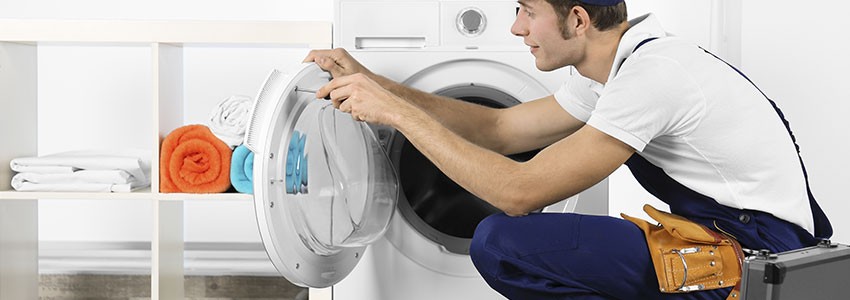
Depending on the model of your washing machine, the shock absorbers may be located either at the front or rear of the appliance. Refer to the manufacturer’s instructions or consult the user manual to identify the exact location of the shock absorbers.
4. Inspect the shock absorbers visually
Visually inspect the shock absorbers for any signs of damage, such as cracks, leaks, or missing parts. If you notice any of these issues, the shock absorbers will likely need to be replaced.
5. Test the shock absorbers
To test the shock absorbers, apply pressure to each one by pushing down on the washing machine drum. The shock absorbers should offer resistance and bounce back slightly. If they feel loose or offer no resistance, they may be worn out and need to be replaced.
6. Remove and replace damaged shock absorbers
If you have identified any damaged shock absorbers during the inspection or testing process, it is important to replace them promptly. Follow the manufacturer’s instructions or consult the user manual to safely remove the old shock absorbers and install the new ones.
7. Reconnect the washing machine and test
Once you have replaced any damaged shock absorbers, reconnect the washing machine to the power source and run a test cycle. Pay attention to the machine’s performance and check for any noticeable improvement in terms of reduced vibration and noise.
By following this step-by-step guide, you can effectively check the shock absorbers on your washing machine and address any issues that may arise. Regular maintenance and inspection of these crucial components will help ensure the optimal performance and longevity of your washing machine.
Follow These DIY Instructions for a Thorough Inspection
Step 1: Start by unplugging the washing machine from the power source to ensure your safety throughout the inspection.
Step 2: Carefully move the washing machine away from the wall or any other obstacles. Make sure you have enough space to access the back of the machine.
Step 3: Locate the shock absorbers on the washing machine. These are usually found at the bottom or sides of the washing machine’s tub.
Step 4: Inspect the shock absorbers visually for any signs of damage or wear. Look for cracks, leaks, or other abnormalities that may indicate a need for replacement.
Step 5: Gently push down on the tub or drum of the washing machine. Pay attention to the movement and resistance. If the tub bounces excessively or does not return to its original position, it may be a sign of worn-out shock absorbers.
Step 6: Check the stability of the washing machine by rocking it back and forth. A properly functioning shock absorber will prevent excessive wobbling or movement.
Step 7: If you notice any issues or suspect that the shock absorbers are faulty, it is recommended to replace them. Refer to the manufacturer’s instructions or consult a professional for guidance on the specific replacement process for your washing machine model.
Step 8: Once you have completed the inspection, move the washing machine back to its original position and ensure it is properly leveled and stable.
Note: It is always important to follow proper safety precautions and refer to the manufacturer’s instructions when inspecting or repairing appliances. If you are unsure or uncomfortable with the inspection process, it is best to consult a professional.
Video on the topic
Washing machine repair (Replacing shock absorbers)
How to check if Wash Machine’s "Shock Absorbers" are Broken
How to Diagnose a Bad Strut or Shock on Your Car
Washing machine DIY video: Swap shock absorber yourself | How-to guide
washing machine shocks… good or bad?
Answers to frequently asked questions
Read more practical tips and expert opinions about modern devices at appliances-news.com. Here you will find answers to questions about any technology.


