If you have noticed that the water in your washing machine is running slow, there could be several reasons for this issue. Understanding the possible causes can help you troubleshoot the problem and get your washing machine back to its optimum performance.
1. Clogged hoses or filters: One common reason for slow water flow in a washing machine is clogged hoses or filters. Over time, debris, lint, and mineral deposits can accumulate in the hoses and filters, restricting the flow of water. Cleaning or replacing these parts can often resolve the issue.
2. Water supply issues: Another possible cause is a problem with the water supply itself. Low water pressure or a partially closed water valve can result in slow water flow into the washing machine. Checking the water pressure and ensuring that the water valve is fully open can help alleviate this problem.
3. Faulty inlet valve: The inlet valve is responsible for allowing water into the washing machine. If this valve is faulty or damaged, it may not open fully, resulting in reduced water flow. Replacing the inlet valve can often solve this issue.
4. Plumbing issues: In some cases, the slow water flow may be due to plumbing issues within your home. Clogged or corroded pipes, as well as improperly installed plumbing, can affect the water flow to your washing machine. Consulting a professional plumber can help determine and resolve any plumbing-related problems.
In conclusion, if you’re experiencing slow water flow in your washing machine, it’s important to consider factors such as clogged hoses or filters, water supply issues, faulty inlet valve, and plumbing problems. By identifying and addressing these issues, you can ensure that your washing machine operates efficiently and effectively.
- Common Reasons for Slow Water Flow in Washing Machines
- Clogged Inlet Hose
- Signs of a Clogged Inlet Hose
- How to Check and Clean the Inlet Hose
- Malfunctioning Water Inlet Valve
- Blocked Water Supply
- Faulty Water Pressure
- Partially Closed Shutoff Valve
- 1. Turn off the power supply
- 2. Inspect the shutoff valve
- Sediment Buildup in the Water Lines
- Causes of sediment buildup
- Effects on the washing machine
- Video on the topic
- Wash Machine Doesn’t Fill / Slow Fill With Water – EASY FIX!
- Answers to frequently asked questions
Common Reasons for Slow Water Flow in Washing Machines

When the water in your washing machine starts to run slow, it can be frustrating and inconvenient. There are several common reasons why this might be happening, including:
1. Clogged Hose or Water Inlet Valve: Over time, debris and sediment can accumulate in the hose or water inlet valve, restricting the flow of water. To fix this, you can try cleaning or unclogging the hose or valve.
2. Faulty Water Pump: If the water pump in your washing machine is not functioning properly, it can result in slow water flow. A faulty water pump may need to be repaired or replaced by a professional.
3. Low Water Pressure: If your washing machine is connected to a low-pressure water source, such as a well or a tank, it may result in slow water flow. In this case, you may need to contact a plumber to increase the water pressure.
4. Blocked Filters: Many washing machines have filters that can become clogged with lint, fabric remnants, or other debris. Cleaning or replacing these filters can help improve water flow in your machine.
5. Water Supply Issue: If there is an issue with the water supply, such as a disruption in the main water line or a problem with the water utility, it can affect the water flow in your washing machine. In this case, you may need to contact your water provider for assistance.
It is important to address slow water flow in your washing machine promptly to avoid further damage and ensure efficient cleaning of your laundry. If you are unsure of how to fix the problem yourself, it is best to consult a professional technician for assistance.
Clogged Inlet Hose

If the water in your washing machine is running slow, one possible reason could be a clogged inlet hose. The inlet hose is responsible for bringing water from your home’s water supply into the washing machine.
Over time, sediment, debris, and mineral deposits can accumulate in the inlet hose, blocking the flow of water. This can result in decreased water pressure and slower filling times.
Signs of a Clogged Inlet Hose
There are a few signs that may indicate a clogged inlet hose:
- The washing machine takes longer to fill with water
- The water coming out of the hose during the fill cycle is weak or has reduced pressure
- You notice a build-up of sediment or debris in the hose
How to Check and Clean the Inlet Hose

To check if the inlet hose is clogged, you can follow these steps:
- Turn off the water supply to the washing machine.
- Disconnect the hose from the machine and the faucet.
- Inspect the hose for any visible signs of clogs, such as debris or mineral deposits.
If you notice a clog, you can clean the inlet hose using a few different methods:
- Use a small brush or pipe cleaner to remove any visible debris from the hose.
- If the clog is severe, you can soak the hose in a mixture of vinegar and water to help dissolve mineral deposits.
- For stubborn clogs, you may need to replace the inlet hose altogether.
Once the hose is clean or replaced, reassemble the washing machine and turn the water supply back on. Test the machine to see if the water flow has improved. If the problem persists, there may be another issue causing the slow water flow, and it may be necessary to consult a professional for further assistance.
Malfunctioning Water Inlet Valve

The water inlet valve is responsible for allowing water to enter the washing machine during the wash cycle. If this valve is malfunctioning or clogged, it can cause slow water flow or no water flow at all.
Causes:
There are several reasons why the water inlet valve may be malfunctioning:
- Build-up of sediment: Over time, minerals and sediment from the water can accumulate in the valve, clogging it and restricting water flow.
- Valve failure: The water inlet valve may simply fail due to normal wear and tear, preventing water from entering the machine.
- Electrical issues: Problems with the electrical connections to the valve can also cause it to malfunction.
How to diagnose:
To determine if the water inlet valve is causing the slow water flow, you can perform the following steps:
- Turn off the washing machine and unplug it from the power source.
- Locate the water inlet valve, which is usually found at the back of the machine.
- Disconnect the water supply hoses from the valve.
- Inspect the valve for any visible signs of debris or damage.
- If there is build-up or damage, clean or replace the valve accordingly.
- Reconnect the water supply hoses and turn on the water.
- Run a test cycle to see if the water flow has improved.
Solutions:
If the water inlet valve is indeed malfunctioning, there are a few solutions you can try:
- Cleaning the valve: If the valve is clogged with sediment, you can try cleaning it with a mixture of vinegar and water. Let the valve soak in the solution for a few hours, then rinse it thoroughly before reinstalling it.
- Replacing the valve: If cleaning doesn’t solve the issue, you may need to replace the water inlet valve. Consult the washing machine’s manual or contact a professional for assistance.
- Checking the electrical connections: Ensure that the electrical connections to the valve are securely attached and not damaged. If necessary, replace any faulty connections or wires.
If you’re unsure or uncomfortable with diagnosing or repairing the water inlet valve yourself, it’s recommended to consult a professional appliance technician to avoid further damage to your washing machine.
Blocked Water Supply
One possible reason for slow water flow in your washing machine is a blocked water supply. There are several factors that can cause a blockage in the water supply, such as:
- Blocked or kinked water hoses: Check the hoses connected to your washing machine and make sure they are not twisted or blocked. If you notice any kinks or bends, straighten them out and ensure that the water can flow freely.
- Clogged water inlet valve: The water inlet valve controls the flow of water into the washing machine. Over time, debris and mineral deposits can build up and clog the valve, restricting the water flow. To fix this issue, you may need to clean or replace the water inlet valve.
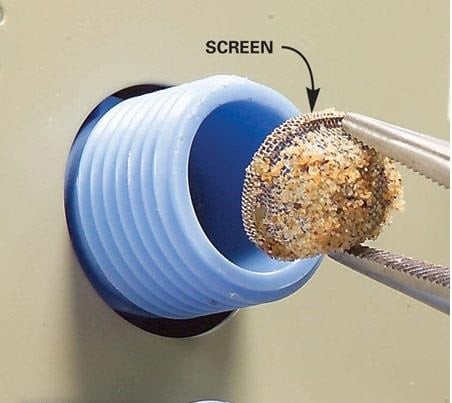
- Sediment buildup in the water supply lines: Over time, sediment and mineral deposits can accumulate in the water supply lines, especially if you live in an area with hard water. This can restrict the water flow to your washing machine. To resolve this, you can try flushing the lines or using a descaling agent to remove the buildup.
- Faulty water pressure: If the water pressure from your main water supply is low, it can result in slow water flow in your washing machine. You can check the water pressure using a pressure gauge, and if it’s below the recommended levels, you may need to contact your water supplier to address the issue.
If you have tried all of the above and are still experiencing slow water flow in your washing machine, it might be best to consult a professional technician to diagnose and fix the problem.
Faulty Water Pressure
If the water in your washing machine is running slow, one possible cause could be faulty water pressure. Water pressure plays a crucial role in ensuring a smooth flow of water through the machine. If the pressure is too low, it can lead to slow water flow or even a complete lack of water.
There are a few factors that can contribute to faulty water pressure. One common issue is a clogged or partially blocked water supply hose. Over time, debris and sediment can accumulate in the hose, restricting the flow of water. If this is the case, you may need to clean or replace the hose to restore proper water pressure.
Another potential cause of low water pressure is a faulty water valve. The water valve is responsible for controlling the flow of water into the machine, and if it is not functioning properly, it can restrict water flow. Inspect the valve for any signs of damage or wear, and consider replacing it if necessary.
Additionally, problems with the main water supply line can also affect the water pressure in your washing machine. If there are issues with the water supply to your home, such as a leak or a broken pipe, it can impact the water pressure throughout the entire house. In this case, you may need to contact a plumber to diagnose and fix the issue.
In some cases, the water pressure problem may not be related to any specific issue with your washing machine. It could be a result of low water pressure in your area. Municipal water supplies can sometimes experience fluctuations or temporary drops in water pressure, which can affect the functioning of appliances like washing machines. If you suspect this to be the case, you can contact your water utility company to inquire about any ongoing issues with water pressure.
In conclusion, if you notice that the water in your washing machine is running slow, it is possible that faulty water pressure is to blame. Check the water supply hose, the water valve, and the main water supply line for any potential issues. If necessary, clean, replace, or repair these components to restore proper water pressure and ensure efficient operation of your washing machine.
Partially Closed Shutoff Valve
If you notice that the water in your washing machine is running slow, one possible cause could be a partially closed shutoff valve. The shutoff valve is usually located near the water supply hose connections at the back of the machine.
Over time, the shutoff valve may become partially closed due to mineral deposits or dirt accumulation. When the valve is not fully open, it restricts the flow of water into the machine, leading to slower water filling times.
To check if the shutoff valve is partially closed, you can follow these steps:
1. Turn off the power supply

Before you begin any work on the washing machine, it is important to ensure that the power supply is turned off. This will prevent any electrical accidents while inspecting the shutoff valve.
2. Inspect the shutoff valve

Carefully examine the shutoff valve to see if it is fully open. The valve typically has a lever or a knob that can be turned. Make sure it is in the fully open position.
If the valve appears to be partially closed, you can try turning it several times to loosen any mineral deposits or dirt that may be causing the obstruction. In some cases, you may need to clean the valve or replace it if it is heavily corroded.
Once you have adjusted or replaced the shutoff valve, make sure to turn on the power supply and test the water flow in your washing machine. If the problem persists, there may be other causes for the slow water flow that you should investigate.
Remember, if you are unsure or uncomfortable handling any aspects of your washing machine, it is always best to consult a professional technician to avoid any damage or injury.
Sediment Buildup in the Water Lines

If you notice that the water in your washing machine is running slow, one possible cause could be a sediment buildup in the water lines. Over time, minerals and debris can accumulate in the pipes which can restrict the flow of water.
When the water lines become clogged with sediment, it can impact the performance of your washing machine. The restricted flow of water can result in longer wash times and ineffective cleaning. This can be especially frustrating if you have a large load of laundry or heavily soiled items.
Causes of sediment buildup
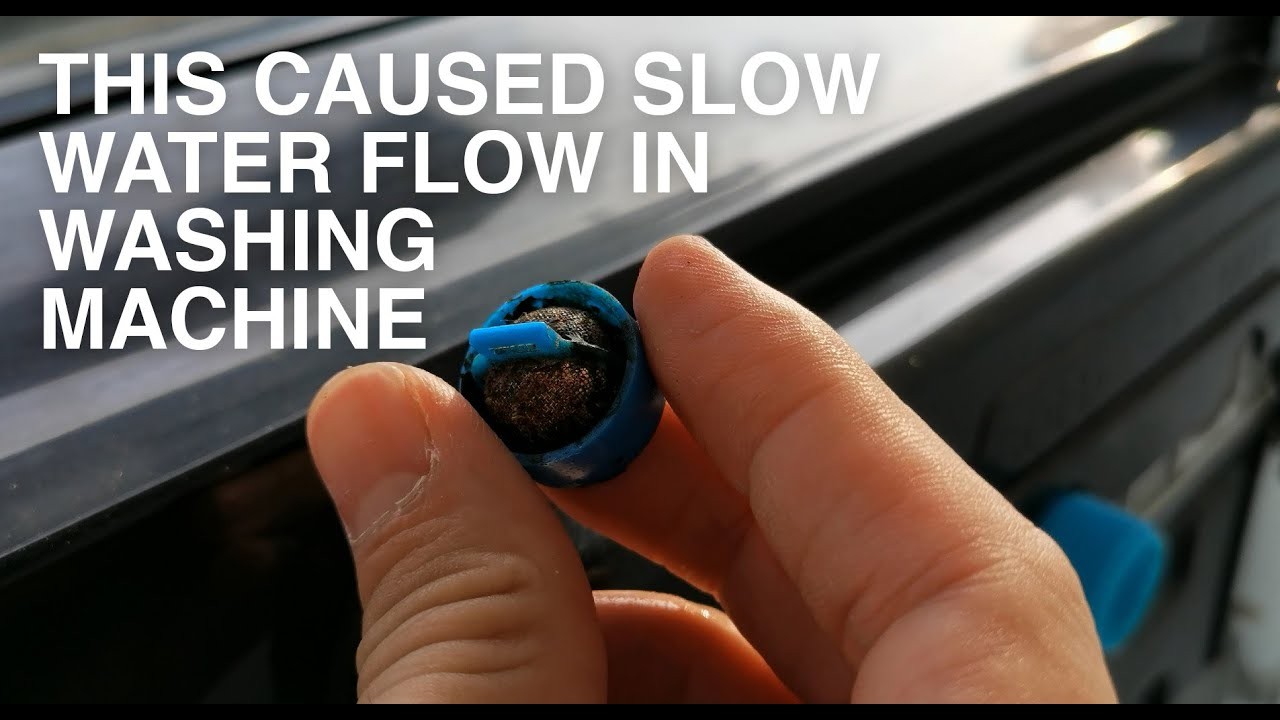
Several factors can contribute to the sediment buildup in the water lines of your washing machine. One common cause is the presence of hard water. Hard water contains high levels of minerals such as calcium and magnesium, which can accumulate over time and create deposits in the pipes.
Another cause could be the presence of rust or corrosion in the water lines. If your pipes are old or made of metal, they may be prone to rusting. The rust particles can mix with the water and settle in the pipes, leading to sediment buildup.
Effects on the washing machine
The sediment buildup in the water lines can affect the overall performance of your washing machine. As the flow of water is restricted, it can take longer for the machine to fill up, resulting in extended wash cycles. Additionally, the reduced water pressure can make it difficult to effectively rinse out detergent or remove dirt from the clothes.
Moreover, the sediment can also cause damage to the internal components of the washing machine. The particles can clog the valves and filters, leading to malfunctions and decreased efficiency. This can result in costly repairs or the need for a replacement machine.
If you suspect sediment buildup in the water lines is causing the slow water flow in your washing machine, it is recommended to consult a professional plumber. They can assess the situation and provide appropriate solutions such as flushing the pipes or installing a water softener to address the hard water problem.
Regular maintenance and cleaning of the water lines can also help prevent sediment buildup. Using a water filter or regularly descaling the pipes can minimize the accumulation of minerals and debris, ensuring smooth water flow and optimal performance of your washing machine.
Video on the topic
Wash Machine Doesn’t Fill / Slow Fill With Water – EASY FIX!
Answers to frequently asked questions
Read more practical tips and expert opinions about modern devices at appliances-news.com. Here you will find answers to questions about any technology.