
Washing machines have become an essential part of our daily lives, allowing us to clean our clothes quickly and efficiently. But have you ever wondered just how much washing a washing machine can do? In this article, we will explore the capacity and efficiency of washing machines, giving you a better understanding of what these appliances are capable of.
One of the key factors to consider when evaluating a washing machine’s capacity is its drum size. The drum size determines the amount of laundry that can be loaded into the machine at once. Washing machines typically come in a range of sizes, with the larger models having a greater capacity. This means that a larger drum size allows for more clothes to be washed in a single load, saving you time and energy.
Efficiency is another important aspect to consider when it comes to washing machines. Efficiency refers to how well a washing machine cleans clothes while using the least amount of water and energy possible. Modern washing machines are designed with various features and technologies to optimize efficiency, such as sensors that adjust water levels according to the load size, and advanced cleaning cycles that ensure effective stain removal.
In conclusion, the capacity and efficiency of a washing machine play a crucial role in determining its performance. It is important to consider your household’s laundry needs and choose a washing machine that can accommodate them effectively. By understanding the capacity and efficiency of washing machines, you can make a more informed decision when it comes to purchasing this essential appliance.
- How Much Washing Does a Washing Machine Do?
- Exploring the Capacity and Efficiency
- Understanding the Capacity of a Washing Machine
- Factors Influencing Washing Machine Capacity
- Determining the Right Capacity for Your Needs
- Choosing the Right Size for Your Household
- Capacity Options
- Benefits of Choosing the Right Size
- Factors to Consider When Measuring Capacity
- Weight vs. Volume
- Video on the topic
- WASHER DRYER ALL IN ONE | Honest Review!! (Not Sponsored!) | GE UltraFast All-In-One Unit | Ventless
- Front Load vs. Top Load: Which Washer is better?
- Washing Machine Buying Guide – GE GTW465ASNWW
- How Washing Machine Works – Surprising Engineering of How Washers Work and their History.
- The Top 5 Best Washing Machines In 2026
- Answers to frequently asked questions
How Much Washing Does a Washing Machine Do?
When it comes to washing machines, one of the most important factors to consider is the capacity. The capacity of a washing machine determines how much laundry it can handle in one load. This is usually measured in terms of weight, with common capacities ranging from 5 kg to 10 kg or more.
The capacity of a washing machine is important because it affects both the efficiency and the convenience of doing laundry. If you have a large family and need to do multiple loads of laundry each day, a washing machine with a larger capacity will be more efficient, as it can handle larger loads in a single cycle. On the other hand, if you live alone or have a small amount of laundry to do, a smaller capacity washing machine may be more practical and cost-effective.
In addition to capacity, the efficiency of a washing machine can also be influenced by other factors such as the type of detergent used and the wash cycle selected. High-efficiency washing machines are designed to use less water and energy, which not only saves money on utility bills but also helps to protect the environment.
When choosing a washing machine, it’s important to consider both the capacity and the efficiency. By selecting a machine that meets your specific needs, you can ensure that your laundry is done effectively and efficiently. Whether you have a small load or a large load, there is a washing machine out there to suit your needs.
Exploring the Capacity and Efficiency

When it comes to washing machines, one of the most important factors to consider is the capacity. The capacity of a washing machine refers to the amount of clothes that it can effectively clean in one cycle. The capacity is usually measured in kilograms (kg) or pounds (lb) and can range from a few kilograms for smaller machines to upwards of 10 kilograms for larger machines.
Having a washing machine with a suitable capacity is essential for efficient and effective cleaning. If the machine is too small for your needs, you may have to do multiple loads, which can be time-consuming and wasteful. On the other hand, if the machine is too large, you may end up wasting water and energy by running the machine with half-empty loads.
In addition to capacity, efficiency is another important aspect to consider when purchasing a washing machine. Efficiency refers to how well the machine uses resources such as water and energy. A more efficient washing machine will use less water and energy per load, resulting in cost savings and environmental benefits.
There are several ways to determine the efficiency of a washing machine. One common measure is the Energy Star rating, which indicates that the machine meets or exceeds specific energy efficiency guidelines set by the Environmental Protection Agency. Another measure is the water factor, which calculates the amount of water used per pound of laundry. Lower water factor values indicate higher efficiency.
Many modern washing machines also come with additional features and technologies that further enhance efficiency. For example, some machines have sensors that detect the weight of the load and adjust the water level accordingly, ensuring that only the necessary amount of water is used. Others have special cycles, such as quick wash or eco mode, which reduce the time and resources required for a load.
| Capacity | Efficiency |
|---|---|
| Small (4-6 kg) | Energy-efficient models available |
| Medium (7-9 kg) | Energy Star rated |
| Large (10+ kg) | Low water factor |
Overall, exploring the capacity and efficiency of a washing machine is crucial for finding the right appliance for your needs. By considering the capacity and efficiency, you can ensure that you are making an informed decision that will save you time, money, and resources in the long run.
Understanding the Capacity of a Washing Machine
When it comes to buying a new washing machine, understanding its capacity is essential. The capacity of a washing machine refers to the amount of laundry it can handle in a single cycle. This information is typically provided in terms of weight, such as kilograms or pounds. Knowing the capacity of a washing machine allows you to determine how much laundry you can wash at once, helping you to manage your laundry workload efficiently.
Factors Influencing Washing Machine Capacity

Several factors can influence the capacity of a washing machine. The size and design of the drum, as well as the overall dimensions of the machine, play a significant role. Generally, larger washing machines have a higher capacity compared to smaller ones, allowing you to wash more laundry in one go.
However, it’s important to note that while larger washing machines offer a higher capacity, they also require more water and energy to operate. Therefore, it’s crucial to find a balance that suits your specific needs and resources. Consider the size of your household, the frequency of your laundry loads, and your available space when deciding on the capacity of your washing machine.
Determining the Right Capacity for Your Needs

To determine the right capacity for your needs, start by assessing your laundry habits. How frequently do you do laundry? Do you prefer to wash large loads or small loads more frequently? Understanding your laundry patterns can help you determine the appropriate capacity for your washing machine.
Keep in mind that overloading a washing machine can affect its performance and efficiency. It may not be able to clean clothes thoroughly, and it could put unnecessary strain on the machine’s components. On the other hand, washing small loads in a large capacity machine may lead to wastage of water and energy. Finding the right balance will ensure optimum performance and efficiency.
Conclusion
Understanding the capacity of a washing machine is crucial for efficient laundry management. By considering factors such as the size of your household and your laundry habits, you can select a washing machine with the right capacity to suit your needs. Remember to strike a balance between capacity and resource usage to ensure optimal performance and energy efficiency.
References:
[1] The Spruce [2] Consumer ReportsChoosing the Right Size for Your Household

When it comes to purchasing a washing machine, one of the most important factors to consider is the size. Choosing the right size for your household is crucial in ensuring efficiency and convenience. It’s essential to opt for a washing machine that can handle the amount of laundry you typically do.
Before making a decision, it’s important to assess your household’s laundry needs. Consider the number of people in your household and how frequently you need to do laundry. This information will help determine the capacity you require.
Capacity Options

Washing machines come in a variety of sizes, with different load capacities. The capacity is typically measured in kilograms (kg) and refers to the weight of the laundry that can be loaded into the machine per cycle.
Here is a general guideline for choosing the right capacity:
| Capacity | Household Size |
|---|---|
| 4-6 kg | 1-2 people |
| 7-8 kg | 3-4 people |
| 9-10 kg | 5 or more people |
However, it’s important to note that these guidelines are approximate and may vary depending on your specific laundry needs. If you have a larger household or frequently deal with bulky items like bedding and curtains, you may want to opt for a larger capacity.
Benefits of Choosing the Right Size

Choosing the right size for your household offers several benefits. Firstly, it ensures that you can fit all your laundry into a single load, saving you time and energy. Secondly, it improves the efficiency of the washing machine, as it can effectively clean a full load without overloading or underloading the machine.
On the other hand, choosing a washing machine that is too large for your household can lead to wasted energy and water. Additionally, a machine that is too small may require you to do multiple loads, resulting in increased energy consumption and longer laundry cycles.
Therefore, it’s important to strike a balance and choose a washing machine size that meets your household’s needs without wasting resources or compromising efficiency.
Factors to Consider When Measuring Capacity

When measuring the capacity of a washing machine, there are several factors to consider. These factors not only determine how much laundry can be loaded into the machine but also affect its efficiency and overall performance.
1. Drum size: The most important factor in measuring capacity is the size of the drum. This refers to the volume of space available inside the washing machine where the clothes are loaded. It is usually measured in kilograms or pounds, indicating the weight of dry laundry the machine can hold.
2. Load type: Different types of loads may require different capacities. For example, bulky items like blankets or comforters may take up more space than regular clothing. It’s important to consider the specific needs of your laundry when determining the capacity.
3. Water usage: The capacity of a washing machine also affects its water usage. A larger drum size may require more water to properly clean a full load of laundry. It’s important to find a balance between the capacity and the amount of water used to ensure efficiency.
4. Energy efficiency: When considering capacity, it’s crucial to also look at the energy efficiency of the washing machine. A larger capacity may require more energy to run, resulting in higher electricity bills. Look for energy-efficient models that offer a balance between capacity and energy usage.
5. Available space: Lastly, consider the available space in your laundry room or designated area for the washing machine. While a larger capacity may seem desirable, it’s important to ensure that the machine will physically fit in the space provided.
In conclusion, measuring the capacity of a washing machine requires considering factors such as drum size, load type, water usage, energy efficiency, and available space. By carefully evaluating these factors, you can choose a washing machine that meets your laundry needs while being efficient and practical for your household.
Weight vs. Volume
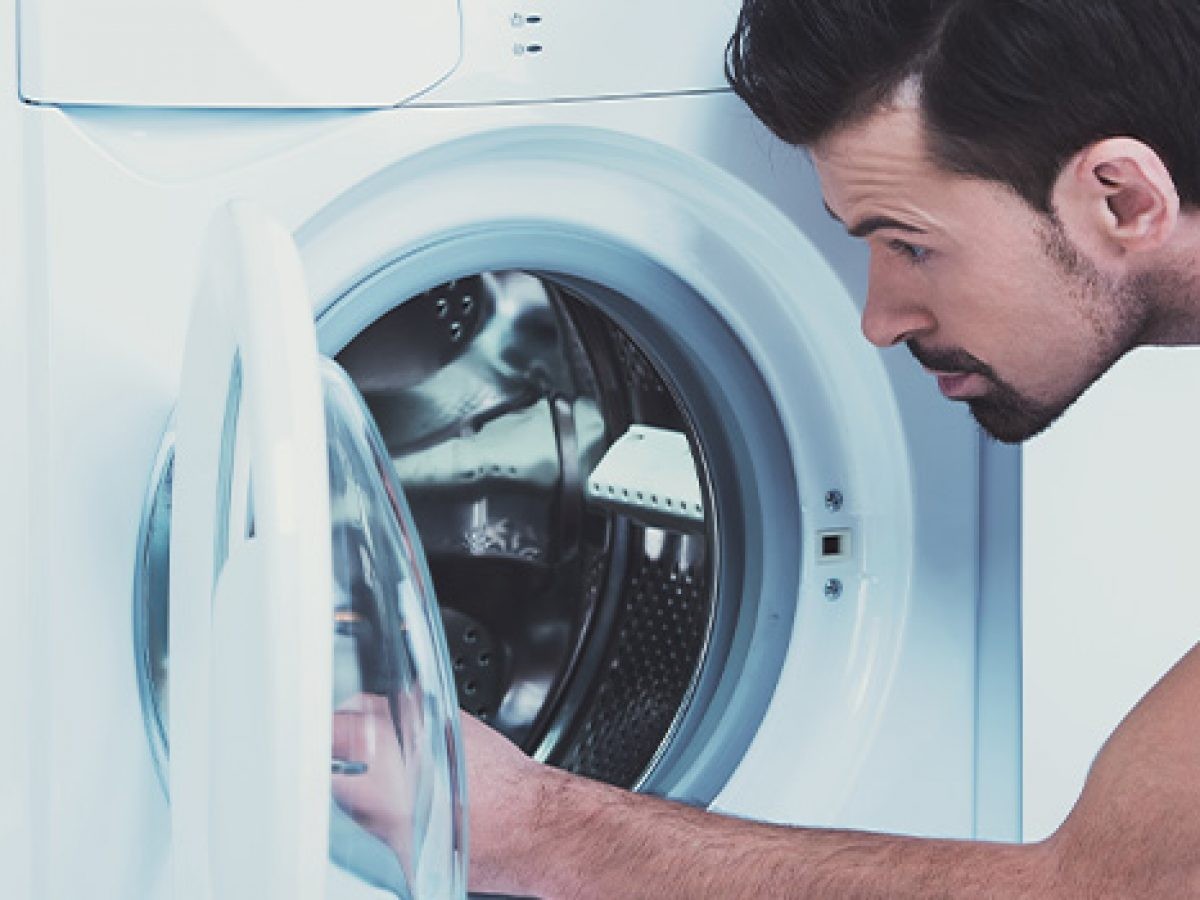
When it comes to washing clothes, there are two main ways to measure the amount of laundry: weight and volume. Both methods have their advantages and can be used depending on the situation.
Weight is a more accurate measurement of the amount of laundry. It is usually measured in kilograms or pounds and provides a precise measurement of how heavy the load is. This is particularly useful when you have specific weight restrictions for your washing machine. For example, if your machine has a maximum weight capacity of 7 kg, you can easily measure your laundry to ensure you don’t exceed this limit.
On the other hand, volume is a measurement of how much space the laundry takes up. It is typically measured in liters or cubic feet and provides an estimate of the load size. This method is more commonly used in the United States, where most washing machines have load size options such as small, medium, or large. These options are based on the volume of the load rather than its weight.
One advantage of using volume as a measurement is that it is easier for consumers to estimate the load size without having to weigh their laundry. This can be particularly useful if you don’t have a scale or if you have a machine that uses volume-based load options.
However, it’s important to note that weight and volume are not always directly proportional. For example, a load of heavy jeans may take up less space compared to a load of lightweight t-shirts. In these cases, using volume as a measurement may not accurately represent the amount of laundry you are washing.
In conclusion, both weight and volume are valid measurements for determining the amount of laundry you are washing. Weight provides a more accurate measurement, while volume is easier to estimate for consumers. Knowing the differences between the two can help you choose the best method for your washing needs.
Video on the topic
WASHER DRYER ALL IN ONE | Honest Review!! (Not Sponsored!) | GE UltraFast All-In-One Unit | Ventless
Front Load vs. Top Load: Which Washer is better?
Washing Machine Buying Guide – GE GTW465ASNWW
How Washing Machine Works – Surprising Engineering of How Washers Work and their History.
The Top 5 Best Washing Machines In 2026
Answers to frequently asked questions
Read more practical tips and expert opinions about modern devices at appliances-news.com. Here you will find answers to questions about any technology.


