Proper hand washing is crucial in maintaining good hygiene and preventing the spread of germs. While we often rely on machine washing for convenience, there are times when hand washing becomes necessary. Whether you’re dealing with delicate fabrics, stains that need extra attention, or simply don’t have access to a washing machine, it’s important to know the correct technique for effective hand washing. Follow these step-by-step tips to ensure your clothes are properly cleaned:
1. Sort your clothes carefully: Before you start hand washing, separate your clothes into different piles based on fabric type and color. This will prevent the risk of colors bleeding onto each other or damaging fragile fabrics.
2. Pre-treat stains: Inspect your clothes for any stains or spots and treat them before washing. Apply a small amount of detergent or stain remover directly to the spot, gently rubbing it in with your fingers or a soft brush. Let it sit for a few minutes to allow the detergent to penetrate the fabric and break down the stain.
3. Fill a basin with water: Fill a clean basin or sink with lukewarm water. Avoid using hot water as it can cause colors to fade or fabrics to shrink. If desired, you can add a mild detergent specifically designed for hand washing to the water and mix it well.
4. Soak your clothes: Submerge your clothes in the water, making sure they are completely soaked. Gently agitate the fabric with your hands to help loosen any dirt or grime. Allow the clothes to soak for about 5-10 minutes to allow the detergent to penetrate and break down any remaining stains.
5. Hand wash: Using gentle motions, scrub and knead the fabric to clean it thoroughly. Pay extra attention to stained or soiled areas, giving them a little more scrubbing. Avoid twisting or wringing the clothes, as this can damage the fabric fibers.
6. Rinse: Drain the soapy water and refill the basin with clean water. Rinse your clothes by gently agitating them in the water, removing any remaining soap or detergent. Repeat this step if necessary until the water runs clear.
7. Squeeze out excess water: Once your clothes are rinsed, gently squeeze out the excess water without wringing or twisting them. You can also roll the clothes in a clean towel to absorb more water.
8. Dry your clothes: Lay your clothes flat on a clean, dry towel or hang them on a drying rack. Avoid direct sunlight or heat sources, as they can cause shrinkage or fading. Allow your clothes to air dry completely before storing or wearing them.
Remember, hand washing may take a bit more time and effort than machine washing, but it’s essential for certain garments and for maintaining their quality. By following these step-by-step tips, you can ensure that your hand washed clothes come out clean, fresh, and well-maintained.
- Tips for Effective Hand Washing
- Importance of Hand Washing
- Preventing Illnesses
- Reducing the Spread of Germs
- Protecting Vulnerable Individuals
- Choosing the Right Washing Machine
- Preparing Your Clothes for Hand Washing
- Step-by-Step Hand Washing Guide
- Wet your hands
- Apply soap
- Rub hands together
- Scrub for at least 20 seconds
- Rinse thoroughly
- Dry your hands
- Turn off faucet with a towel
- Video on the topic
- �� how to do your laundry 101 (+enjoy doing it)
- Kawandi. Techniques and Tips for Your First Quilt
- Answers to frequently asked questions
Tips for Effective Hand Washing
Hand washing is a crucial step in maintaining proper hygiene and preventing the spread of germs and infections. Here are some tips for effective hand washing:
| Steps | Instructions |
|---|---|
| 1 | Wet your hands with clean water. |
| 2 | Apply enough soap to cover all surfaces of your hands. |
| 3 | Rub your hands together palm to palm. |
| 4 | Rub the back of each hand with the opposite palm. |
| 5 | Rub your palms together with fingers interlaced. |
| 6 | Rub the backs of your fingers against your palms with fingers interlocked. |
| 7 | Rub the base of your thumbs with the opposite palm. |
| 8 | Rub your fingertips against the palm of your other hand. |
| 9 | Rub your wrists with your hands. |
| 10 | Rinse your hands thoroughly with clean water. |
| 11 | Dry your hands with a clean towel or air dryer. |
Remember to wash your hands for at least 20 seconds, especially before eating, after using the restroom, or when your hands are visibly dirty. Hand washing is one of the simplest yet most effective ways to stay healthy and prevent the spread of illnesses.
Importance of Hand Washing
Hand washing is a simple yet extremely important practice in maintaining good hygiene. It is a habit that should be followed by everyone, regardless of age or occupation. Proper hand washing can prevent the spread of germs and infections, keeping ourselves and others healthy.
Preventing Illnesses
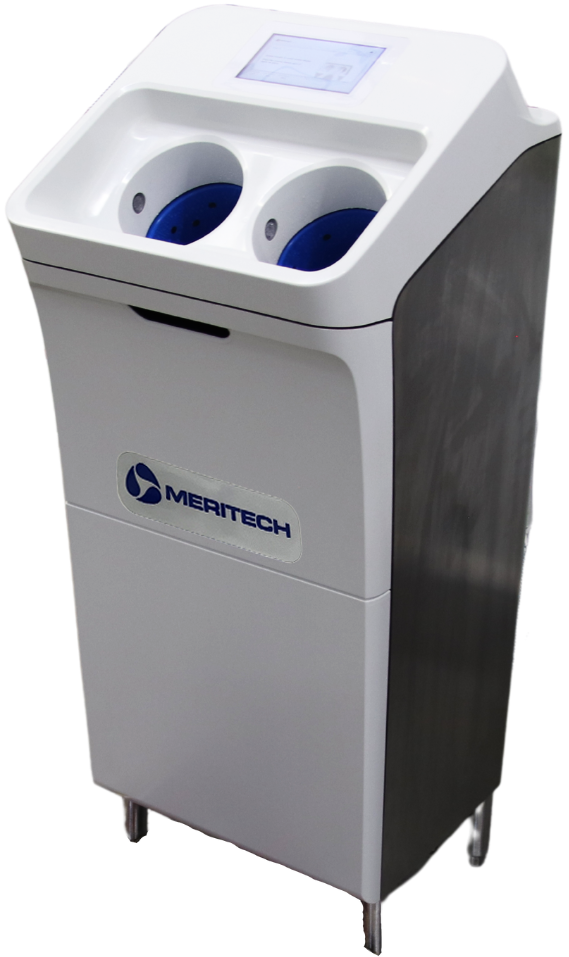
Hand washing is one of the most effective ways to prevent the spread of illnesses. Our hands come into contact with countless surfaces throughout the day, including germs and bacteria. By washing our hands properly, we can remove these harmful microorganisms and reduce the risk of getting sick.
Reducing the Spread of Germs
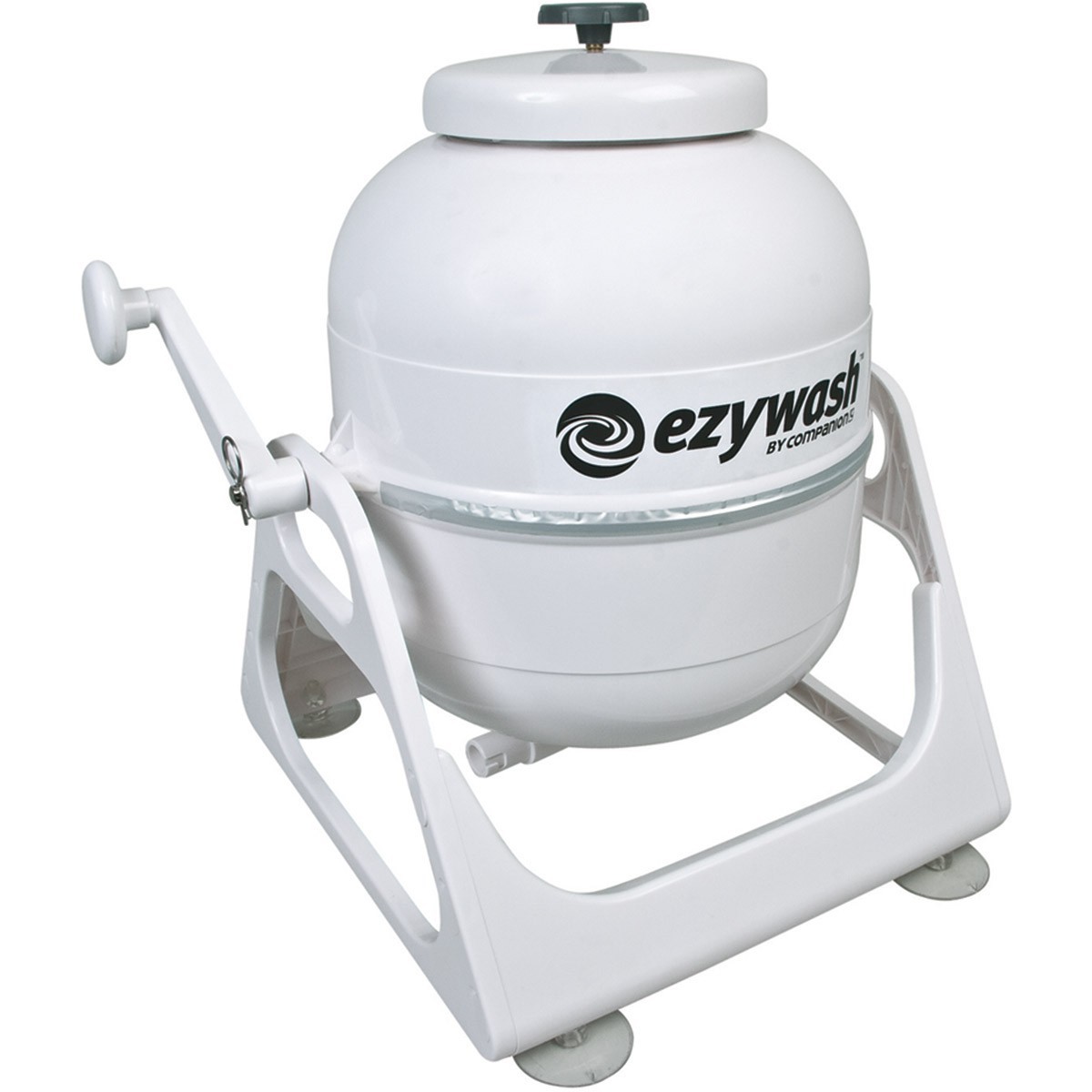
Hands are a common way for germs to enter our bodies. Whether it’s touching our face, eating, or interacting with others, we unknowingly transfer germs from our hands to various surfaces and can easily infect ourselves or others. Regular and thorough hand washing can break the chain of transmission and help stop the spread of germs.
Protecting Vulnerable Individuals
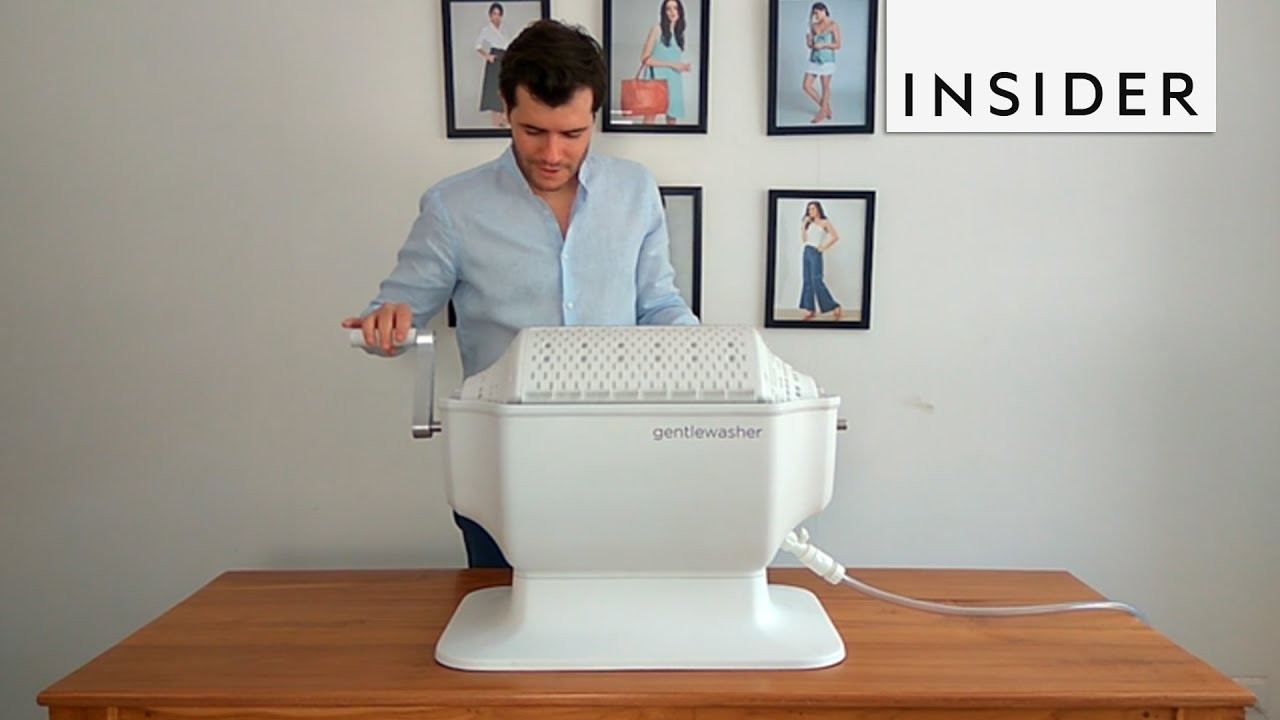
Hand washing is particularly crucial in protecting vulnerable individuals, such as young children, the elderly, or those with weakened immune systems. These groups are more susceptible to infections, and proper hand hygiene can significantly reduce the risk of illness and complications.
In conclusion, hand washing is a simple yet powerful practice that should be ingrained in our daily routine. By washing our hands thoroughly and frequently, we can safeguard our health and the health of those around us, preventing the spread of illnesses and promoting a cleaner, safer environment.
Choosing the Right Washing Machine

When it comes to choosing a washing machine, there are several factors to consider in order to make the best decision for your needs. Here are some tips to help you choose the right washing machine:
1. Washing Capacity: Consider the size of your household and the amount of laundry you typically do. If you have a large family and do a lot of laundry, you may want to choose a washing machine with a large capacity to handle bigger loads more efficiently.
2. Energy Efficiency: Look for washing machines that are ENERGY STAR certified. These machines are designed to use less energy and water, which can help save on your utility bills and reduce your environmental impact.
3. Washing Programs: Consider the different washing programs available on the machine. Some machines offer specialized programs for different types of fabrics or stains, which can help you achieve better results for specific laundry needs.
4. Noise Level: If you have an open floor plan or laundry room close to living spaces, you may want to choose a washing machine with a lower noise level. Look for machines with noise reduction features or a quiet operating system.
5. Maintenance and Durability: Check for reviews and ratings on the brand and model you are considering. Look for machines that are known for their durability and require minimal maintenance. This can help ensure that your washing machine will last for a long time without frequent repairs or replacements.
6. Price and Budget: Set a budget for your washing machine purchase and consider the price range that fits within your budget. Compare different brands and models to find the best value for your money.
By considering these factors, you can choose the right washing machine that meets your specific needs and preferences. Remember to also read reviews and seek recommendations from others who have purchased the same machine to ensure you make an informed decision.
Preparing Your Clothes for Hand Washing
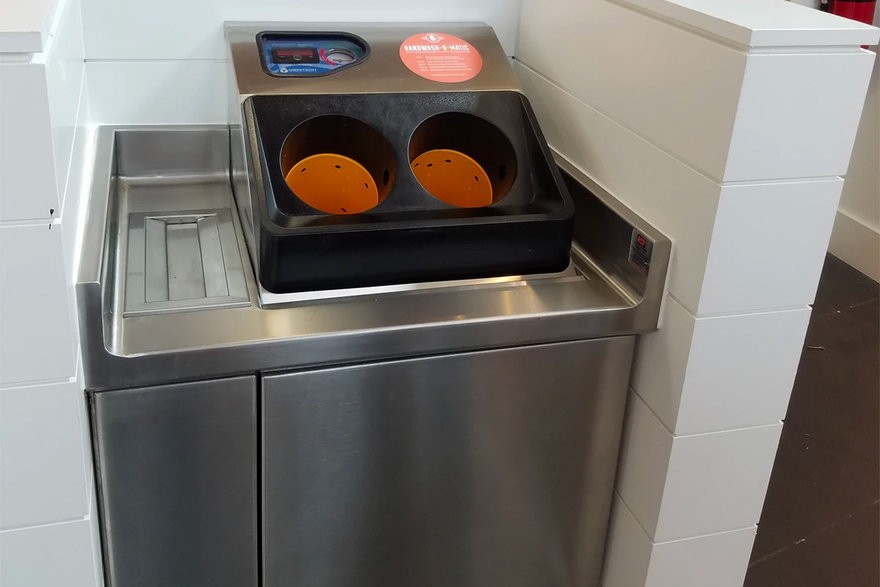
Before you begin hand washing your clothes, it is important to properly prepare them. Follow these steps to ensure your clothes are ready for a thorough and effective wash:
1. Read the care labels: Take a close look at the care labels on your clothes to identify any specific washing instructions. This will help you determine the appropriate water temperature, detergent, and any special considerations that need to be taken into account.
2. Sort your clothes: Separate your clothes into different piles based on color and fabric type. Washing different colors together can cause colors to bleed and fabric types may require different washing techniques. Sorting your clothes will prevent any unwanted damage or discoloration during the washing process.
3. Pre-treat stains: Take a closer look at your clothes and identify any stains or spots. Pre-treating these stains before hand washing can help remove them more effectively. Use a stain remover or apply a bit of detergent directly to the stain and gently rub it in.
4. Close zippers and fasten buttons: To prevent any damage to your clothes or the washing machine, make sure to close all zippers, buttons, and fasteners before washing. This will also help to keep your clothes in their proper shape during the wash.
5. Empty pockets: Check all pockets of your clothes and make sure they are empty. Remove any small items, such as coins or keys, as these can cause damage to both your clothes and washing machine.
6. Tie up loose strings: If you have any loose strings or threads hanging from your clothes, make sure to tie them up or secure them. This will prevent them from tangling or getting caught during the hand washing process.
By following these steps to prepare your clothes for hand washing, you can ensure a more efficient and effective washing process. Taking these extra precautions will help protect your clothes and keep them looking their best for longer.
Step-by-Step Hand Washing Guide
Proper hand washing is crucial for maintaining good hygiene and preventing the spread of germs. Follow these steps to ensure that you effectively wash your hands:
-
Wet your hands
Turn on the faucet and wet your hands under warm running water. Make sure to wet both the front and back of your hands.
-
Apply soap
Squeeze a sufficient amount of soap onto your palms. It is important to use enough soap to create a lather that will cover your entire hand.
-
Rub hands together

Rub your palms together to create a lather. Be sure to cover all surfaces of your hands, including the backs of your hands, fingers, and in between your fingers. Remember to also clean under your nails.
-
Scrub for at least 20 seconds

Continue scrubbing your hands for at least 20 seconds. You can sing the “Happy Birthday” song twice to ensure you are washing for the appropriate length of time.
-
Rinse thoroughly
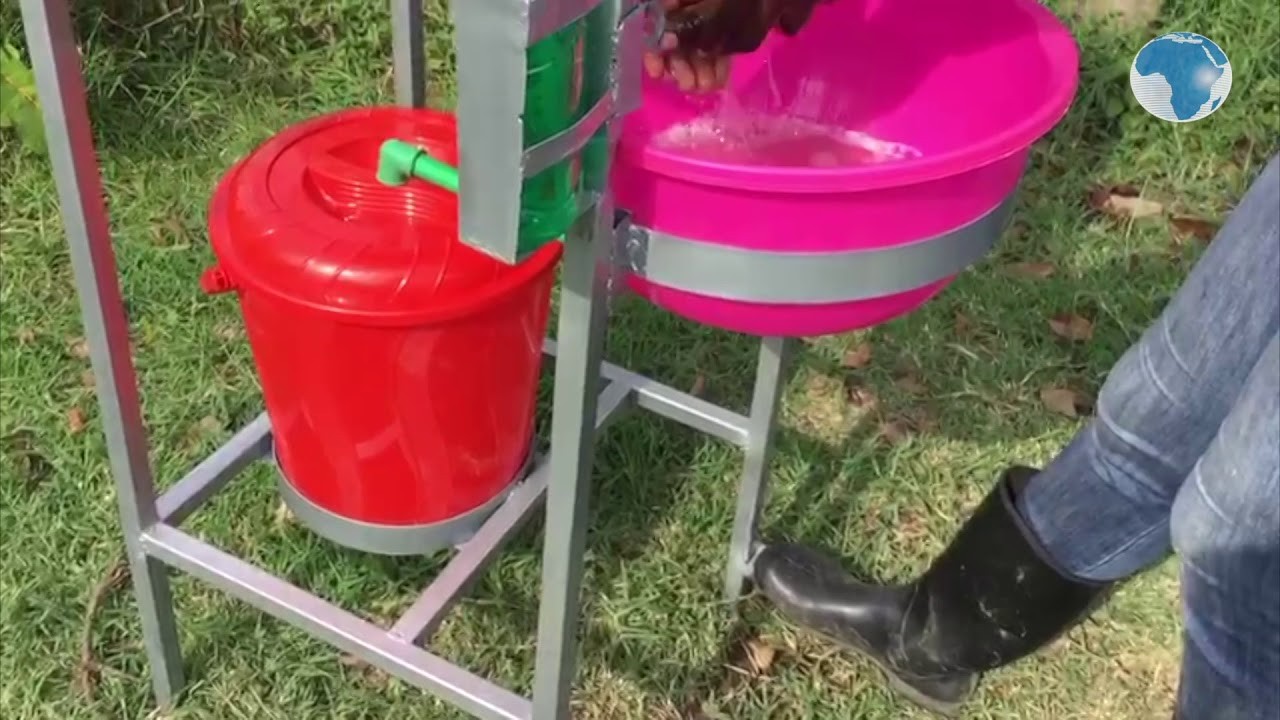
Place your hands under the running water again to rinse off all the soap. Make sure to remove all soap residue.
-
Dry your hands
Use a clean towel or air dry your hands. It is important to thoroughly dry your hands as damp hands may harbor bacteria.
-
Turn off faucet with a towel

After drying your hands, use a towel to turn off the faucet. This helps to prevent recontamination of your hands.
By following this step-by-step hand washing guide, you can ensure that you are effectively washing your hands and minimizing the spread of germs.
Video on the topic
�� how to do your laundry 101 (+enjoy doing it)
Kawandi. Techniques and Tips for Your First Quilt
Answers to frequently asked questions
Read more practical tips and expert opinions about modern devices at appliances-news.com. Here you will find answers to questions about any technology.