Bitumen stains on clothes can be a nightmare to deal with. Whether you’ve accidentally spilled bitumen while working on a project or encountered it on your clothes during a construction site visit, removing these sticky stains can seem like a daunting task. However, with the right techniques and a little bit of patience, you can easily remove bitumen stains and restore your clothes to their former glory.
Step 1: Act quickly and scrape off the excess bitumen from the fabric using a blunt knife or spoon. Be careful not to spread the stain further by rubbing it into the fabric.
Step 2: Place the stained area of the clothing between two clean, white paper towels or cloths. Apply a mild solvent, such as rubbing alcohol or acetone, to the backside of the stain and blot it gently with a clean cloth. Avoid using colored cloths, as the bitumen may transfer onto them.
Step 3: If the stain persists, create a mixture of liquid dish soap and warm water. Gently dab the stained area with the soapy solution, taking care not to rub the stain further into the fabric. Let the solution sit on the stain for a few minutes to penetrate before rinsing it thoroughly with warm water.
Step 4: For stubborn bitumen stains, try using a stain remover specifically designed for removing oil-based stains. Apply the stain remover directly to the affected area and let it sit for the recommended amount of time. Follow the instructions on the product for best results and rinse the fabric thoroughly after treatment.
Step 5: Once the stain has been successfully removed, launder the garment as usual. Check for any traces of the stain before drying, as heat can set the stain permanently. If the stain remains, repeat the above steps or consider seeking professional help.
Remember, it’s important to treat bitumen stains as soon as possible to increase the chances of successful removal. By following these easy steps and being diligent, you can tackle bitumen stains and ensure your clothes stay in top condition.
- Understanding the Nature of Bitumen Stains
- What is Bitumen?
- Why are Bitumen Stains Difficult to Remove?
- Precautions when Dealing with Bitumen Stains
- Preparation for Stain Removal
- Gather Materials
- Protect the Surrounding Area
- Read the Care Label
- Step 1: Scrape off Excess Bitumen
- Step 2: Apply a Stain Remover
- Choosing a Stain Remover
- Preparation
- Application
- Step 3: Rinse the Stained Area
- 1. Use lukewarm water
- 2. Rinse from the back
- 3. Blot the excess water
- Step 4: Launder the Clothes
- 1. Check the Clothing Label
- 2. Separate Stained Clothes
- 3. Select the Right Detergent
- 4. Wash in the Recommended Water Temperature
- 5. Check for Stain Removal
- Prevention Tips for Future Stains
- Video on the topic
- HOW TO REMOVE STAINS FROM CLOTHES! EASIEST + CHEAPEST WAY!
- How to Remove STAINS on Clothes With BAKING SODA (INK, GREASE, WINE, GRASS, VOMIT, BLOOD STAINS)
- Answers to frequently asked questions
Understanding the Nature of Bitumen Stains

Bitumen stains can be stubborn and difficult to remove from clothes. Understanding the nature of bitumen stains is essential in effectively removing them.
What is Bitumen?
Bitumen is a highly viscous and sticky black substance that is derived from petroleum. It is commonly used in road construction and roofing materials. While bitumen is durable and weather-resistant, it can easily stain clothes when it comes into contact with them.
Why are Bitumen Stains Difficult to Remove?
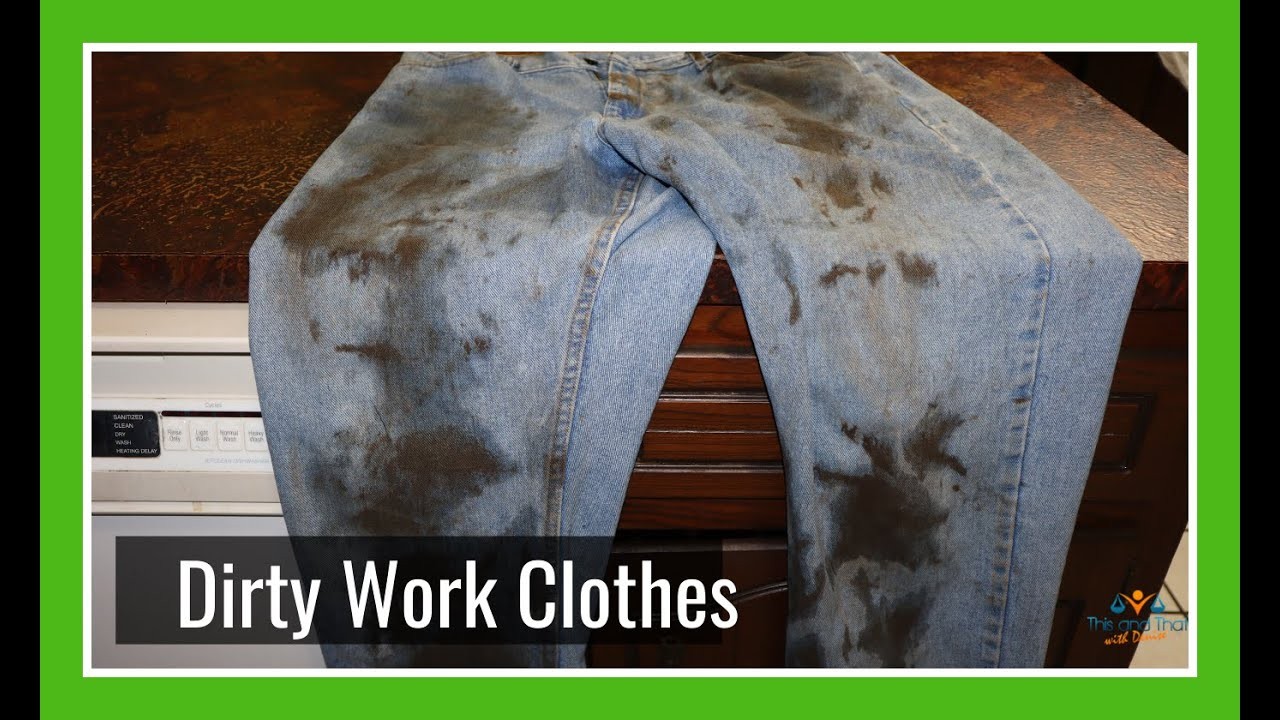
Bitumen stains are difficult to remove due to their sticky and oily nature. When bitumen comes into contact with fabric, it adheres to the fibers, making it challenging to remove with regular washing. Additionally, bitumen is a dark-colored substance, which means that stains can be easily visible on light-colored fabrics.
The high viscosity and adhesion of bitumen stains make them particularly stubborn. If not treated promptly and properly, these stains can become deeply embedded in the fabric, making their removal even more challenging.
Precautions when Dealing with Bitumen Stains
When dealing with bitumen stains, it is important to take certain precautions to prevent further damage to your clothes:
- Avoid rubbing or scrubbing the stain vigorously, as this can push the bitumen further into the fabric.
- Be cautious when using harsh chemicals, as they can damage the fabric or alter its color.
- Test any cleaning solution on a small, inconspicuous area of the fabric before applying it to the stain.
By understanding the nature of bitumen stains and following the right steps, you can effectively remove these stubborn stains from your clothes.
Preparation for Stain Removal
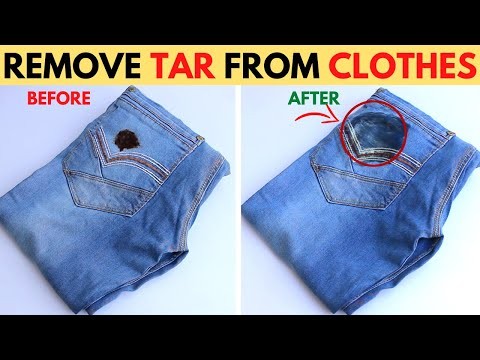
Before attempting to remove bitumen stains from clothes, it is important to take the following steps to ensure the best chance of success:
Gather Materials
Before you begin, gather the necessary materials to remove bitumen stains. This includes:
- Gloves
- A plastic scraper or spoon
- A soft-bristled brush or toothbrush
- Dish soap or laundry detergent
- Stain remover or a solvent such as mineral spirits or acetone
- Warm water
Protect the Surrounding Area
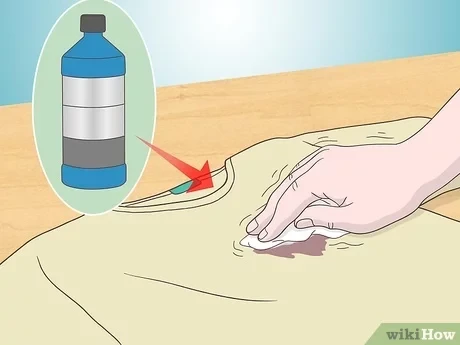
Bitumen stains can be messy to remove, so it’s important to protect the surrounding area. Place a towel or old cloth underneath the stained garment to absorb any excess bitumen or cleaning products.
Note: Depending on the type of fabric and the severity of the stain, it may be advisable to test any cleaning products or solvents on a small, inconspicuous area of the garment first, to ensure they do not cause any damage or discoloration.
Caution: When working with chemicals or cleaning products, always follow the manufacturer’s instructions and wear protective gloves.
Read the Care Label
Before attempting any stain removal method, read the care label on the garment to ensure you do not use any methods or products that may damage the fabric. Follow any specific instructions or recommendations provided by the manufacturer.
By taking these preparatory steps, you will be better equipped to effectively remove bitumen stains from your clothes without causing any damage or discoloration.
Step 1: Scrape off Excess Bitumen
When dealing with bitumen stains on clothes, the first step is to scrape off any excess bitumen. This can be done using a blunt object like a spoon, butter knife, or the edge of a credit card. Carefully scrape off as much of the bitumen as possible without spreading it or pushing it deeper into the fabric.
Important: Do not use a sharp object, as this can damage the fabric or cause injury. Be gentle and patient while scraping off the excess bitumen.
Tip: It’s recommended to place a cloth or paper towel underneath the stained area to catch any loose bitumen flakes or particles that may fall off while scraping.
Step 2: Apply a Stain Remover
Once you have removed as much of the bitumen stain as possible using the freezing method in Step 1, it’s time to apply a stain remover to further break down the residue and help lift it from the fabric.
Choosing a Stain Remover

There are several stain removers available in the market that are specifically designed to tackle tough stains like bitumen. Look for a stain remover that is suitable for use on clothing and is safe for the type of fabric you are treating. Read the instructions on the product carefully to ensure you are using it correctly.
Preparation
Before applying the stain remover, make sure to check the manufacturer’s instructions and perform a patch test on a small, inconspicuous area of the fabric to ensure it doesn’t cause any damage or discoloration.
Next, lay the stained clothing flat on a clean surface and prepare the stain remover according to the instructions. It may come in a spray bottle, gel form, or as a liquid that needs to be applied using a clean cloth or sponge.
Application
Apply the stain remover directly onto the bitumen stain. Make sure to cover the stained area completely, allowing the product to penetrate the fabric. Gently work the stain remover into the fabric using your fingers, a soft brush, or a clean cloth. Avoid scrubbing too vigorously, as this may damage the fabric fibers.
Leave the stain remover on the fabric for the recommended time, which is usually provided on the product’s packaging. This will allow the formula to break down the bitumen residue and loosen it from the fabric.
After the recommended time has passed, check the stained area to see if the bitumen has lifted. If the stain is still visible, you may need to repeat the process or try a different stain remover. Always follow the instructions provided by the manufacturer for the best results.
Once the stain has been successfully removed, you can proceed to launder the clothing as usual to remove any remaining residue from the stain remover. Follow the instructions on the garment’s care label for the appropriate laundering method.
Remember, when dealing with tough stains like bitumen, patience and persistence are key. It may take a few attempts to completely remove the stain, but with the right stain remover and technique, you can restore your clothing to its original condition.
Step 3: Rinse the Stained Area
After applying a solvent or pre-treatment to the bitumen stain, it’s time to rinse the stained area. This step helps to further remove the loosened bitumen particles and any remaining solvent.
1. Use lukewarm water
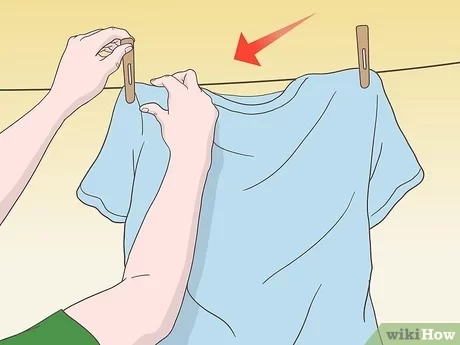
Begin by setting the tap water to a lukewarm temperature. Avoid using hot water as it can set the stain and make it more difficult to remove. Lukewarm water is gentle enough to help lift the stain without causing damage to the fabric.
2. Rinse from the back
Hold the stained clothing item with the stained area facing away from you and place it under the running water. This positioning will allow the water to flow through the fabric and push the bitumen particles out, rather than pushing them further into the fabric.
Let the lukewarm water run over the stained area for a few minutes, ensuring that all the solvent and loosened bitumen are flushed away.
If the stain persists, you can gently rub the fabric together under the water to help further loosen and remove the stain. However, be careful not to rub too vigorously as this may damage the fabric fibers.
Continue rinsing the stained area until the water runs clear, indicating that the majority of the stain has been removed.
3. Blot the excess water
Once you have finished rinsing, gently squeeze the excess water from the fabric. Avoid wringing or twisting the clothing item, as this can cause damage and distort the shape of the fabric.
Lay the garment flat on a clean towel and roll it up, pressing lightly to absorb any remaining water. Repeat this process if necessary to remove as much moisture as possible.
Now that you have successfully rinsed the stained area, you can proceed to the next step to ensure that the bitumen stain is completely eliminated from your clothes.
Step 4: Launder the Clothes
Once you have pre-treated the bitumen stains on your clothes, it is time to launder them. Follow these simple steps to ensure that your clothes come out clean and stain-free:
1. Check the Clothing Label
Before washing, always check the care label on your clothes to determine the appropriate washing instructions. Some fabrics may require special care or gentle washing, so it is essential to read the label carefully.
2. Separate Stained Clothes
If you have multiple clothing items with bitumen stains, it is best to separate them from the rest of your laundry to prevent any transfer of the stain. This will help ensure that the stain does not spread to other garments.
Separate your stained clothes into a separate load, and if possible, only wash them with similar fabrics or colors.
3. Select the Right Detergent
Choose a detergent that is suitable for the fabric type and stain removal. Look for a laundry detergent that has stain-fighting properties or one specifically designed for removing tough stains.
Alternatively, you can also use a stain remover or pre-wash treatment along with your regular detergent for extra stain-fighting power.
4. Wash in the Recommended Water Temperature
Follow the instructions on the clothing label regarding the recommended water temperature for washing. Some fabrics may require cold water, while others can tolerate warmer temperatures.
Using the right water temperature will help achieve the best results in removing the bitumen stains.
5. Check for Stain Removal

After laundering, check if the bitumen stains are completely gone. If any traces of the stain remain, do not put the clothes in the dryer as the heat can set the stain permanently.
Instead, repeat the pre-treatment process or try a different stain removal method before drying the clothes.
Once the stains are fully removed, you can proceed with drying the clothes according to the instructions on the label.
By following these easy steps, you can effectively remove bitumen stains from your clothes and restore them to their original condition.
Prevention Tips for Future Stains
While it is important to know how to remove bitumen stains from clothes, it is even more beneficial to prevent them from happening in the first place. Here are some tips that can help you avoid future stains:
1. Wear protective clothing: When working with bitumen or any other substances that can cause stains, make sure to wear protective clothing, such as gloves, aprons, or coveralls. This will provide a barrier between your clothes and the stain-causing material.
2. Use a spill-proof container: If you need to transport or store bitumen, make sure to use a spill-proof container. This will prevent any accidental spills that can lead to stains on your clothes.
3. Clean up spills immediately: If you accidentally spill bitumen on your clothes, it is crucial to take immediate action. The longer the stain sits, the harder it will be to remove. Use a cloth or paper towel to blot the stain and prevent it from spreading.
4. Avoid excessive contact: Try to minimize your contact with bitumen as much as possible. This can include avoiding sitting or leaning on surfaces that have bitumen, and being mindful of your surroundings when working with the material.
5. Wash garments separately: If you have clothes that are already stained with bitumen or similar substances, it is important to wash them separately from other garments. This will prevent the stain from transferring to other clothes. Follow the appropriate stain removal method for that specific material.
6. Pre-treat potential stain areas: If you are aware that you will be working with bitumen or other stain-causing materials, consider pre-treating the potential stain areas on your clothes. This can be done by applying a stain repellent or coating the fabric with a protective layer.
By following these prevention tips, you can significantly reduce the chances of getting bitumen stains on your clothes. Remember, it is always easier to prevent stains than to remove them!
Video on the topic
HOW TO REMOVE STAINS FROM CLOTHES! EASIEST + CHEAPEST WAY!
How to Remove STAINS on Clothes With BAKING SODA (INK, GREASE, WINE, GRASS, VOMIT, BLOOD STAINS)
Answers to frequently asked questions
Read more practical tips and expert opinions about modern devices at appliances-news.com. Here you will find answers to questions about any technology.