Having a washing machine that doesn’t rinse your laundry properly can be frustrating and inconvenient. It leaves your clothes feeling stiff, and can even leave residue on them. So, why is your washing machine not rinsing the laundry properly? There can be a few reasons behind this issue, but don’t worry, we’re here to help you troubleshoot!
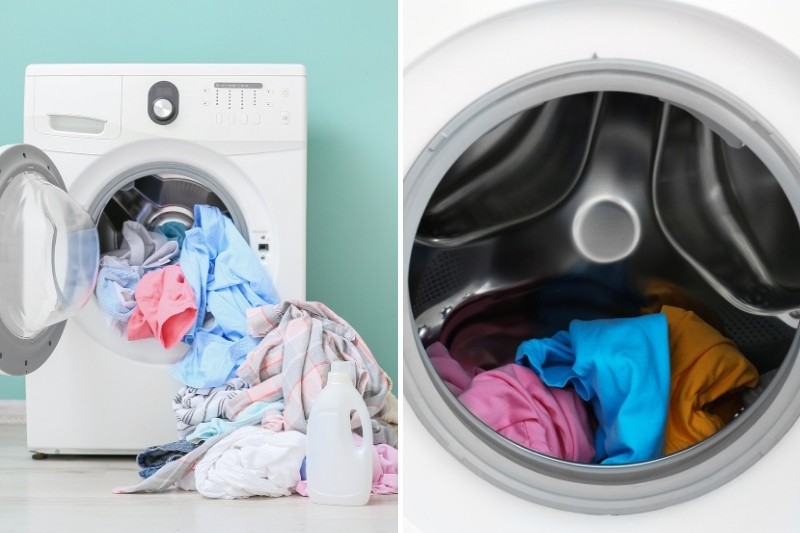
1. Overloading: One of the most common reasons for inadequate rinsing is overloading the washing machine. When you overload the machine, the water and detergent struggle to reach every item in the load, resulting in poor rinsing. Make sure to follow the manufacturer’s guidelines regarding load capacity to avoid this issue.
2. Detergent buildup: If you notice a soapy residue on your clothes after washing, it could be due to detergent buildup in your machine. Over time, detergent can accumulate in the dispenser drawer, the drum, or the seals of the washing machine. This buildup can interfere with the rinsing process. Regularly clean your machine to prevent detergent buildup and ensure proper rinsing.
3. Clogged filters or hoses: Another possible cause for poor rinsing is clogged filters or hoses. If the filters or hoses in your washing machine are blocked, water flow can be restricted, leading to ineffective rinsing. Check and clean the filters and hoses regularly to maintain proper water flow and prevent clogs.
4. Water pressure issues: Inadequate water pressure can also contribute to poor rinsing. Insufficient water supply may not allow the machine to rinse the laundry thoroughly. Check the water pressure in your home and ensure it meets the requirements specified by the washing machine manufacturer.
Remember, properly rinsed laundry helps to keep your clothes cleaner, fresher, and free from any detergent residue. By troubleshooting and addressing these potential issues, you can get your washing machine back on track to providing you with clean and well-rinsed laundry.
- Common Issues with Rinsing in Washing Machines
- Clogged Water Inlet Filter
- Low Water Pressure
- Possible Causes of Low Water Pressure
- Steps to Resolve Low Water Pressure
- Faulty Water Level Sensor
- Detergent or Fabric Softener Buildup
- Preventing Detergent or Fabric Softener Buildup
- Removing Detergent or Fabric Softener Buildup
- Overloading the Washing Machine
- Tips for preventing overloading:
- Malfunctioning Rinse Cycle
- Improperly Set Water Temperature
- Video on the topic
- HOW TO CLEAN YOUR WASHING MACHINE! (Quick & Easy!)
- Is your washer not cleaning�� your clothes well?
- Why is my washer not cleaning my clothes properly?
- Wash Machine Won’t Spin or Drain Properly – Grinding Noise – Clothes Come out Wet!
- Top Nine Reasons Your Older Style Washer Is Not Spinning!
- Answers to frequently asked questions
Common Issues with Rinsing in Washing Machines
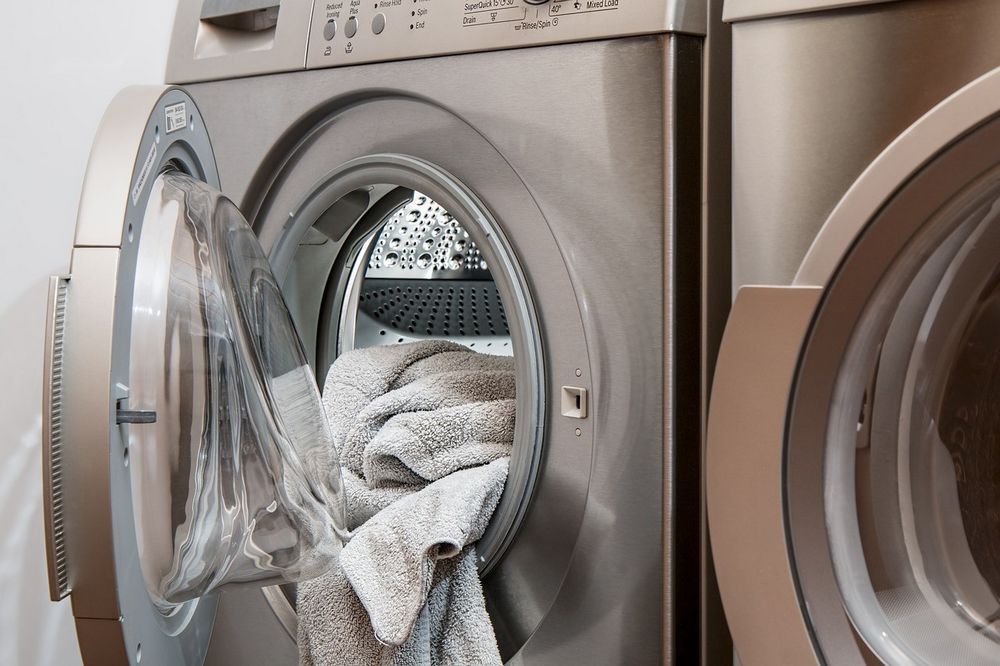
1. Improper Water Level: One common issue with rinsing in washing machines is an improper water level. If the water level is too low, the laundry may not be fully rinsed. Make sure your washing machine is set to the appropriate water level for the load size.
2. Clogged Filters: Clogged filters can also cause problems with rinsing. If the filters in your washing machine are dirty or clogged, they can obstruct the flow of water during the rinse cycle. Check and clean the filters regularly to ensure proper rinsing.
3. Incorrect Detergent Dosage: Another possible cause of inadequate rinsing is using too much or too little detergent. Using excessive detergent can create excess suds that may not rinse out completely. Conversely, using too little detergent may not effectively clean the laundry. Follow the manufacturer’s recommendations for detergent dosage.
4. Malfunctioning Water Inlet Valve: A malfunctioning water inlet valve can also affect the rinsing process. If the valve is not opening fully or is leaking, it may not allow enough water into the machine for proper rinsing. If you suspect a problem with the water inlet valve, consider contacting a professional for repair or replacement.
5. Overloading the Machine: Overloading the washing machine with too many clothes can lead to insufficient rinsing. When the machine is overcrowded, there may not be enough water and space for the laundry to properly agitate and rinse. Make sure to follow the recommended load capacity for your machine.
If you are experiencing issues with rinsing in your washing machine, it is recommended to troubleshoot and address these common issues. By addressing these problems, you can ensure that your laundry is properly rinsed and thoroughly cleaned.
Clogged Water Inlet Filter
If your washing machine is not rinsing the laundry properly, one possible cause could be a clogged water inlet filter. The water inlet filter is designed to prevent debris and sediments from entering the washing machine and causing damage to the internal components.
To check if the water inlet filter is clogged, follow these steps:
Step 1: Locate the water inlet valve at the back of your washing machine. It is usually labeled and can be found where the water supply hoses connect.
Step 2: Turn off the water supply to the washing machine by closing the shut-off valves on the water supply hoses.
Step 3: Disconnect the water supply hoses from the water inlet valve. Be prepared for a small amount of water to drain out, so have a towel or bucket ready.
Step 4: Inspect the water inlet filter for any visible signs of debris or clogging. The filter is usually located inside the threaded portion of the water inlet valve or directly on the hose connection.
Step 5: If the water inlet filter is clogged, use a soft brush or toothbrush to gently scrub away any debris. Rinse the filter under running water to remove any remaining dirt.
Step 6: Reattach the water supply hoses to the water inlet valve and tighten them securely. Make sure the hoses are not kinked or damaged.
Step 7: Turn on the water supply and check if the washing machine is now rinsing the laundry properly. If the issue persists, there may be other factors causing the problem, and it is recommended to consult a professional technician.
Note: It is recommended to clean the water inlet filter regularly, approximately every 6 months, to prevent clogging and ensure proper functioning of your washing machine.
Low Water Pressure

If your washing machine is not rinsing the laundry properly, it could be due to low water pressure. Low water pressure can result in insufficient water flow, preventing the machine from adequately rinsing the clothes.
Possible Causes of Low Water Pressure
There are several possible causes of low water pressure:
| Cause | Solution |
|---|---|
| Clogged or Poorly Connected Water Inlet Hose | Check the water inlet hose for any clogs or kinks. Clean or replace the hose if necessary. Ensure that the hose is properly connected to both the machine and the water supply. |
| Water Supply Issue | Check if there are any issues with the water supply in your area. Contact your water utility company to inquire about any known problems or restrictions. |
| Faulty Pressure Regulator | Inspect the pressure regulator and ensure it is functioning correctly. If necessary, replace the regulator to restore proper water pressure. |
| Plumbing Problems | There may be plumbing issues in your house that are causing low water pressure. Consult a professional plumber to inspect and fix any plumbing problems. |
Steps to Resolve Low Water Pressure

To resolve low water pressure in your washing machine, follow these steps:
- Ensure that the water inlet hose is not clogged or kinked.
- Check the water supply in your area for any known issues.
- Inspect the pressure regulator and replace if necessary.
- Contact a professional plumber to address any plumbing problems in your house.
By resolving the low water pressure issue, your washing machine should be able to rinse the laundry properly and improve washing performance.
Faulty Water Level Sensor

A common reason why a washing machine may not be rinsing laundry properly is a faulty water level sensor. The water level sensor is responsible for detecting the amount of water in the machine during the rinse cycle. If the sensor is not functioning correctly, it may not be able to accurately determine the correct water level, leading to issues with rinsing the laundry.
If you suspect a faulty water level sensor is the cause of the problem, there are a few troubleshooting steps you can try:
- Check the sensor for any visible damage or debris that may be obstructing its function. Clean the sensor if necessary.
- Disconnect the washing machine from the power source and wait for a few minutes. Reconnect the power and restart the machine. Sometimes, a simple reset can resolve sensor issues.
- Consult the washing machine’s user manual or manufacturer’s website for specific instructions on how to calibrate or replace the water level sensor. Follow the provided steps carefully.
If these troubleshooting steps do not resolve the problem, it is recommended to contact a professional technician or the manufacturer’s customer support for further assistance. They will be able to diagnose the issue accurately and provide the necessary repairs or replacements if required.
It is important to address a faulty water level sensor promptly to ensure the proper rinsing of laundry. Without a functioning sensor, the washing machine may not be able to dispense the correct amount of water, leading to subpar rinsing results.
Detergent or Fabric Softener Buildup
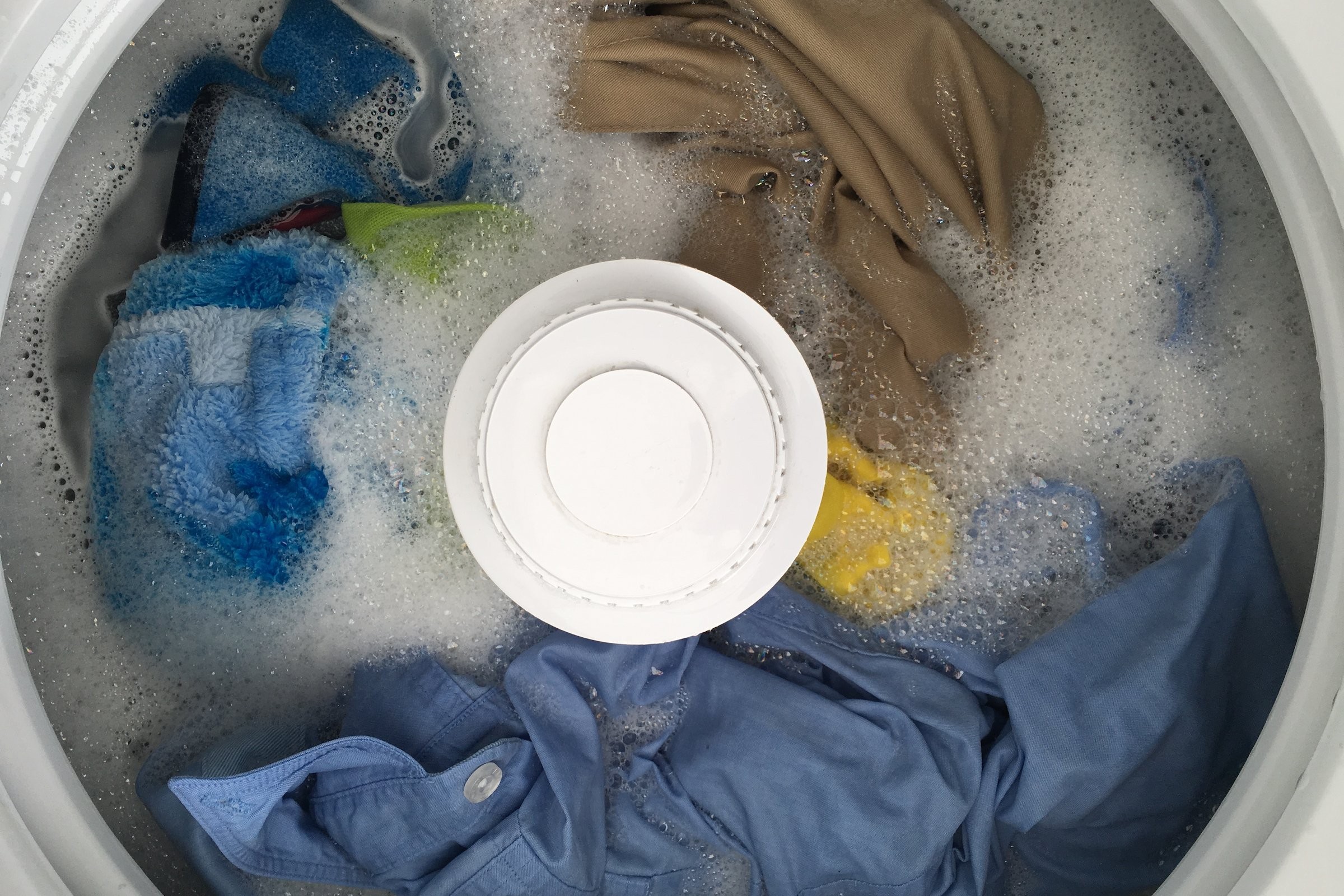
If your washing machine is not rinsing the laundry properly, one possible cause could be a detergent or fabric softener buildup inside the machine. Over time, these products can accumulate and form a residue that can interfere with the rinsing process and leave your laundry feeling less than fresh.
To determine if detergent or fabric softener buildup is the issue, you can try running an empty cycle with hot water and no laundry. This will help to flush out any excess product that may be lingering in the machine.
Preventing Detergent or Fabric Softener Buildup
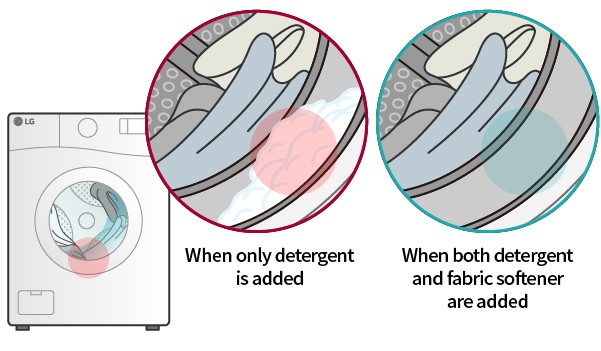
To prevent detergent or fabric softener buildup in the future, there are a few steps you can take:
- Follow the manufacturer’s instructions: Be sure to read and follow the recommended usage instructions for your detergent and fabric softener. Using too much product can lead to buildup.
- Measure your detergent: Use the appropriate amount of detergent for each load of laundry. Using more than necessary can contribute to buildup.
- Clean your washing machine regularly: Periodically clean your washing machine to remove any residue that may have accumulated. Follow the manufacturer’s instructions for cleaning and maintenance.
Removing Detergent or Fabric Softener Buildup
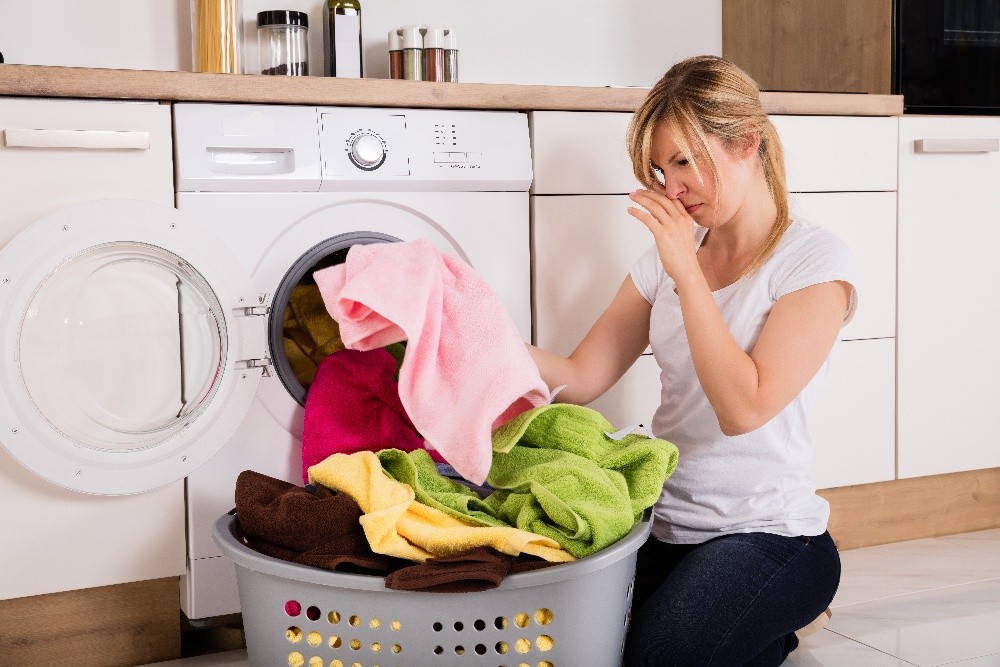
If you suspect that there is a significant buildup of detergent or fabric softener in your washing machine, you may need to take additional steps to remove it. One option is to run an empty cycle with hot water and a cup of white vinegar. The vinegar can help to break down the residue and remove it from the machine.
Another option is to use a washing machine cleaner specifically designed to remove buildup. These cleaners can be found at most grocery or home improvement stores.
| Warning: | Always follow the manufacturer’s instructions for any cleaning or maintenance products used in your washing machine. |
|---|
By taking these preventative measures and performing regular maintenance, you can help ensure that your washing machine rinses your laundry properly and leaves it feeling clean and fresh.
Overloading the Washing Machine
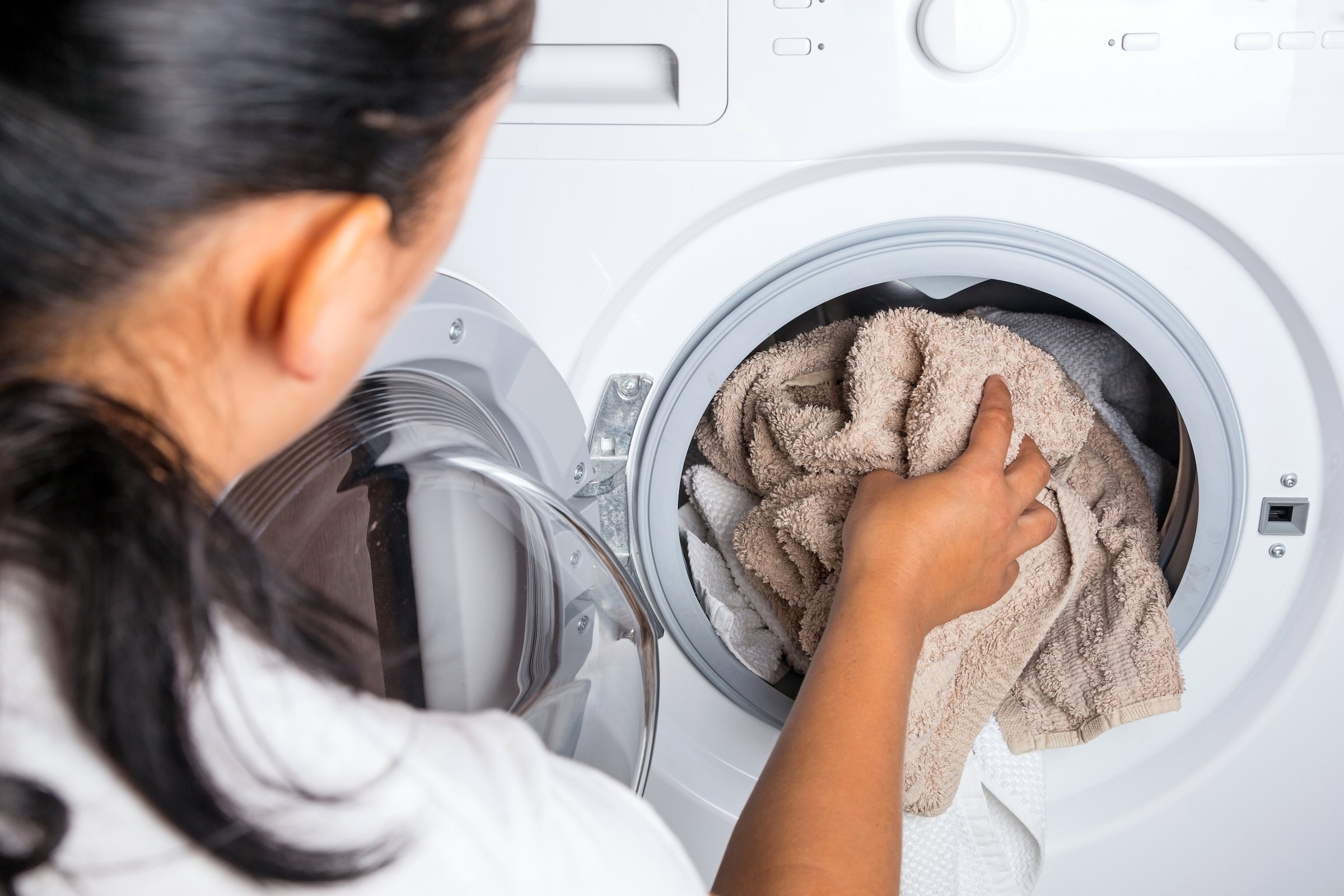
One common reason why your washing machine may not be rinsing the laundry properly is if you are overloading it. It is important to follow the recommended load capacity for your specific washing machine model. Overloading the machine can lead to inadequate rinsing, as the laundry may not have enough space to move around and be properly cleaned.
When you overload the machine, the water and detergent may not be able to reach all of the clothing, resulting in soap residue being left behind. This can give the laundry a dull appearance and cause it to feel stiff or sticky.
To ensure that your laundry is rinsed properly, it is best to adhere to the manufacturer’s guidelines for load capacity. This information can usually be found in the owner’s manual or on the manufacturer’s website. By following these guidelines, you can ensure that your washing machine has enough space to agitate the laundry and remove any soap residue, resulting in cleaner and better-rinsed clothes.
Tips for preventing overloading:

- Read the instruction manual: Familiarize yourself with the recommended load capacity for your washing machine.
- Separate loads: If you have a large amount of laundry, consider doing multiple smaller loads instead of trying to fit everything into one.
- Leave room for movement: Make sure there is enough space in the drum for the laundry to move around freely during the washing and rinsing cycles.
- Use a weight scale: If you are unsure about the weight of your laundry, you can use a bathroom scale to weigh it before loading it into the machine.
By taking these precautions and not overloading your washing machine, you can ensure that your laundry is properly rinsed and comes out fresh and clean.
Malfunctioning Rinse Cycle

If your washing machine is not rinsing the laundry properly, it could be due to a malfunctioning rinse cycle. Here are some common reasons why the rinse cycle may not be working correctly:
1. Clogged Inlet Valve: Check if the inlet valve is clogged with debris or mineral deposits. This can restrict the flow of water into the washing machine, resulting in insufficient rinsing. Clean the inlet valve if necessary.
2. Insufficient Water Pressure: Low water pressure can prevent the rinse cycle from effectively removing detergent from the laundry. Ensure that the water supply valve is fully open and that there are no issues with the water pressure in your area.
3. Faulty Water Pump: A malfunctioning water pump may not be able to circulate the water properly during the rinse cycle. This can lead to inadequate rinsing. If the water pump is not working correctly, you may need to replace it.
4. Overloaded Machine: Putting too much laundry in the washing machine can prevent proper rinsing. Overloading the machine can prevent the water from reaching and rinsing all the clothes effectively. Try reducing the load size and see if it improves the rinsing performance.
5. Incorrect Water Temperature: Make sure that the washing machine is set to the appropriate water temperature for the rinse cycle. Using water that is too hot or too cold can affect the rinsing process.
Note: If you are unsure about any repairs or troubleshooting steps, it is recommended to consult a professional technician or the manufacturer’s manual for further assistance.
By addressing these common issues, you can potentially resolve the problem of your washing machine not rinsing the laundry properly. However, if the issue persists, it may be necessary to contact a professional technician for further diagnosis and repair.
Improperly Set Water Temperature

If your washing machine is not rinsing the laundry properly, one possible cause could be an improperly set water temperature. This can affect the effectiveness of the rinsing process and leave detergent residue on your clothes.
To resolve this issue, check the water temperature settings on your washing machine. It is important to follow the manufacturer’s instructions for the recommended water temperature based on the type of fabric you are washing.
If the water temperature settings are incorrect, adjust them accordingly. Make sure you are using the appropriate water temperature for the specific laundry load. For example, whites may require hot water, while delicate fabrics may require cold water. Using the wrong water temperature can lead to improper rinsing and cleaning results.
Additionally, it’s important to ensure that the hot and cold water supply valves are fully turned on. If they are only partially open, it can result in inadequate water flow and affect the rinsing process.
Remember: Using the right water temperature and ensuring proper water flow are essential for effective rinsing and clean laundry. Always refer to the manufacturer’s instructions and adjust the water temperature settings as needed for each load.
Video on the topic
HOW TO CLEAN YOUR WASHING MACHINE! (Quick & Easy!)
Is your washer not cleaning�� your clothes well?
Why is my washer not cleaning my clothes properly?
Wash Machine Won’t Spin or Drain Properly – Grinding Noise – Clothes Come out Wet!
Top Nine Reasons Your Older Style Washer Is Not Spinning!
Answers to frequently asked questions
Read more practical tips and expert opinions about modern devices at appliances-news.com. Here you will find answers to questions about any technology.