Washing machines are an essential appliance in most households, providing convenience and efficiency in cleaning our clothes. However, like any other device, they are prone to wear and tear, and one common issue that homeowners face is a faulty hatch cuff.
The hatch cuff, also known as the door seal, is a flexible rubber gasket that creates a watertight seal between the door and the drum of the washing machine. Over time, this rubber seal can become worn, torn, or damaged, leading to leaks and inefficiencies. It’s a frustrating problem, but can it be quickly fixed with a simple tape?
While duct tape and other adhesive tapes may seem like a convenient and temporary solution, it is not recommended to use them to fix a faulty hatch cuff. The hatch cuff is designed to create a watertight seal, and using tape may not provide the necessary seal and stability. Additionally, the intense heat, water, and constant movement during the washing process can cause the tape to weaken or peel off, resulting in further problems.
Instead of relying on tape, it is advisable to replace the hatch cuff with a genuine replacement part. This ensures a proper fit, durability, and a reliable seal. Although it may require some time and effort to replace the seal, it is a more practical and long-term solution to prevent leaks and potential damage to your washing machine.
- Why is the hatch cuff of a washing machine important?
- The potential problems with a damaged hatch cuff
- Conclusion
- Can you tape the hatch cuff as a quick fix?
- Considerations before taping the hatch cuff
- 1. Severity of the damage
- 2. Risk of leaks
- 3. Impact on warranty
- 4. Longevity of the fix
- Alternative solutions for a damaged hatch cuff
- 1. Replace the damaged hatch cuff:
- 2. Use a repair kit:
- 3. Apply silicone sealant:
- Video on the topic
- AEG Lavamat washing machine strip down – Sealed drum can’t fix 🙁
- Answers to frequently asked questions
Why is the hatch cuff of a washing machine important?
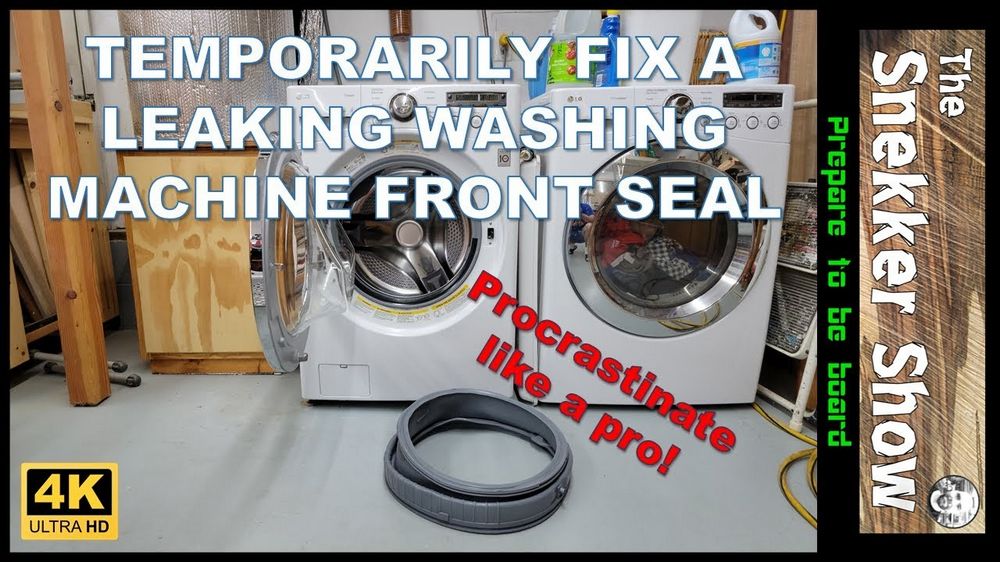
The hatch cuff of a washing machine plays a crucial role in maintaining a proper seal between the door and the drum of the machine. This component is typically made of rubber or a similar flexible material. It is designed to create an airtight and watertight seal when the door is closed during a wash cycle.
One of the main reasons why the hatch cuff is important is that it prevents water leakage during the wash cycle. Without a properly functioning hatch cuff, water can seep out of the washing machine and cause damage to the surrounding area. This can lead to issues such as mold growth, water damage to flooring, and potential electrical hazards.
In addition to preventing water leakage, the hatch cuff also helps to minimize noise and vibration during operation. It acts as a barrier between the spinning drum and the rest of the machine, reducing the amount of noise and vibration transmitted to the exterior. This can make the washing machine more pleasant to use and prevent disturbances to other household members or neighbors.
The hatch cuff also plays a role in the energy efficiency of the washing machine. A properly sealed door ensures that hot water is retained within the drum, leading to more efficient heating and reduced energy consumption. It also prevents cold air from entering the machine, which can affect the overall temperature and efficiency of the wash cycle.
Overall, the hatch cuff of a washing machine is an important component that should be properly maintained and replaced if damaged. It helps to prevent water leakage, minimize noise and vibration, and improve the energy efficiency of the machine. By ensuring that the hatch cuff is in good condition, users can prolong the lifespan of their washing machine and avoid costly repairs or replacements.
The potential problems with a damaged hatch cuff
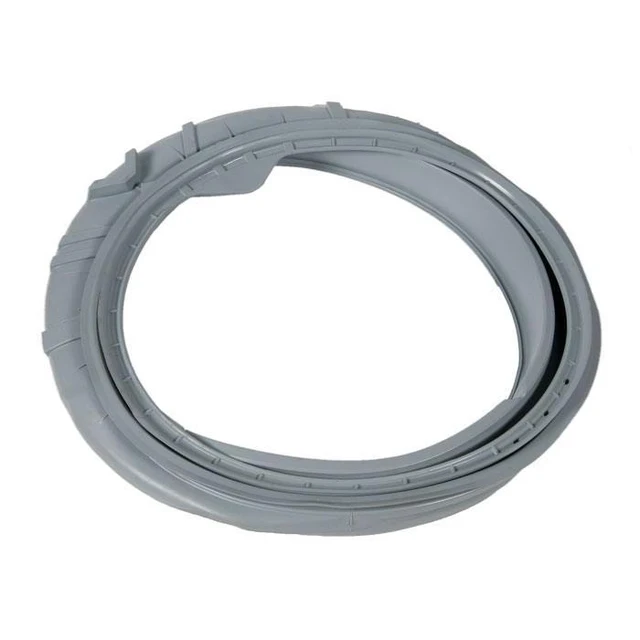
When the hatch cuff of a washing machine is damaged, it can lead to a range of issues that affect the overall performance and function of the appliance. A hatch cuff, also known as a door gasket or seal, is a rubber or silicone ring that creates a watertight seal between the door and the drum of the washing machine.
Leaks: One of the main problems that can arise from a damaged hatch cuff is water leakage. If the seal is compromised, water can escape from the machine during the wash or spin cycle. This not only creates a mess but can also damage the surrounding area and potentially cause further electrical or mechanical damage to the washing machine.
Mold and mildew: Another issue that may occur when the hatch cuff is damaged is the growth of mold and mildew. The wet environment inside the washing machine, combined with the presence of moisture from leaks, creates an ideal breeding ground for these types of fungi. Not only can mold and mildew cause unpleasant odors, but they can also be harmful to your health.
Inefficient cleaning: A damaged hatch cuff can also result in inefficient cleaning of your laundry. If there are leaks, water might not be able to properly fill the drum or reach certain parts of the clothes. This can lead to insufficient rinsing, poor stain removal, and overall unsatisfactory results.
Noise and vibrations: Additionally, a damaged hatch cuff can cause excessive noise and vibrations during the washing machine’s operation. The seal helps to keep the drum stable and balanced, so when it is compromised, the machine may become noisier and produce more vibrations, resulting in a potentially disruptive and uncomfortable experience.
Conclusion

As you can see, a damaged hatch cuff can cause various problems that impact both the functionality of the washing machine and the quality of your laundry. It is crucial to address any issues with the hatch cuff promptly to avoid further damage and maintain optimal performance.
Can you tape the hatch cuff as a quick fix?

If you are experiencing a problem with the hatch cuff of your washing machine, you may be wondering if using tape can be a quick fix. While tape may provide a temporary solution, it is not recommended as a long-term fix.
The hatch cuff, also known as the door seal or gasket, is an important component of the washing machine. It creates a watertight seal between the door and the drum, preventing water from leaking out during the wash cycle.
Taping the hatch cuff can potentially cause more harm than good. The tape may not be able to provide a strong enough seal, leading to water leakage and potential damage to the machine or surrounding area. Additionally, tape can deteriorate over time due to exposure to water, heat, and detergents, causing it to lose its adhesive properties and potentially come loose during a wash cycle.
If you are experiencing issues with the hatch cuff, it is recommended to replace it instead of using tape as a temporary fix. Replacing the hatch cuff with a new one will ensure a proper seal and prevent any further problems. You can contact the manufacturer or a professional for assistance in finding and installing the correct part.
In conclusion, while tape may be a tempting quick fix, it is not advisable to use it on the hatch cuff of a washing machine. It is best to address the issue properly by replacing the hatch cuff to avoid any potential damage or further problems in the future.
Considerations before taping the hatch cuff
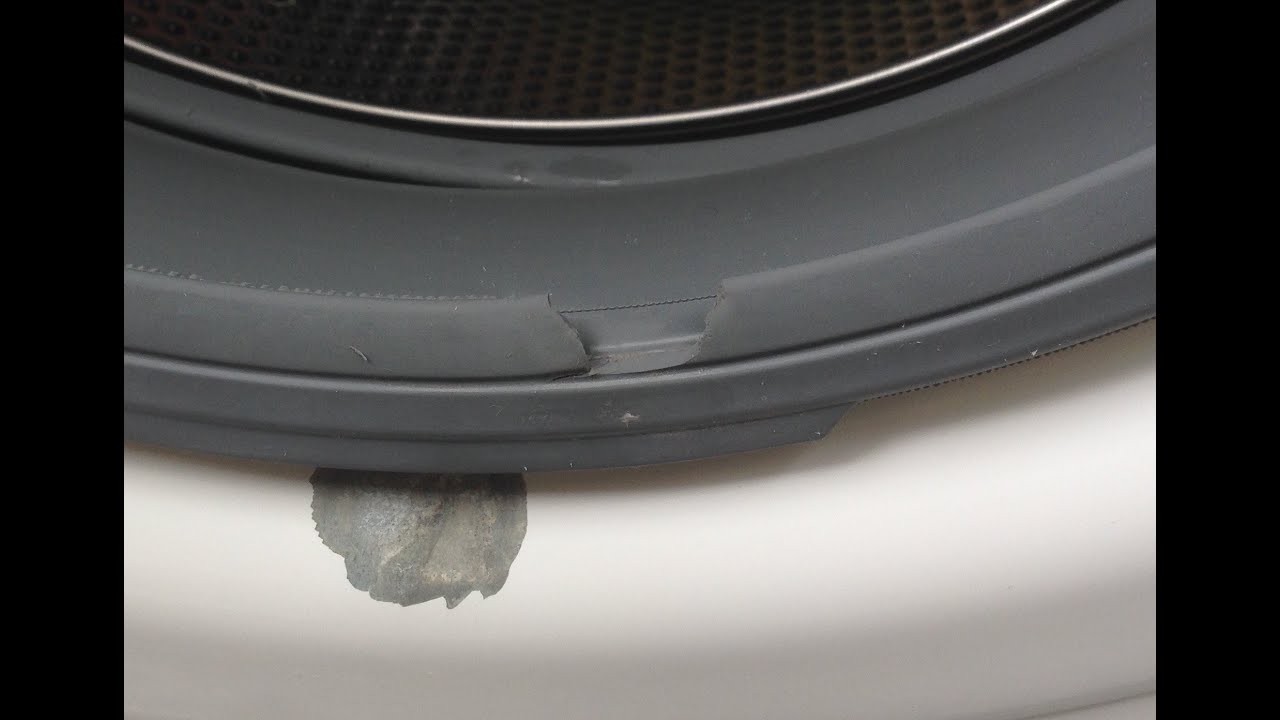
Before deciding to tape the hatch cuff of your washing machine as a quick fix, it’s important to consider a few factors:
1. Severity of the damage
Assess the severity of the damage to the hatch cuff. If it is only a minor issue, such as a small tear or loose connection, taping might be a temporary solution. However, if the hatch cuff is severely damaged or completely detached, taping may not be effective or safe.
2. Risk of leaks
Taping the hatch cuff may help keep it in place temporarily, but it may not provide a secure seal. This can result in leaks during the washing process, leading to water damage or potential electrical hazards. It’s important to assess the risk of leaks and the potential consequences before relying on tape as a solution.
3. Impact on warranty
If your washing machine is still under warranty, taping the hatch cuff may void the warranty. Manufacturers typically require repairs to be carried out by authorized technicians. It’s important to check the terms and conditions of your warranty before attempting any DIY fixes.
4. Longevity of the fix
Taping the hatch cuff is a temporary solution and may only provide a short-term fix. The constant movement and pressure during the washing cycles can cause the tape to peel off or lose its effectiveness. Consider whether you’re looking for a quick fix or if investing in a replacement hatch cuff would be a more durable solution.
Overall, taping the hatch cuff of a washing machine may be a viable quick fix in certain situations, but it’s important to carefully consider the severity of the damage, the risk of leaks, the impact on warranty, and the longevity of the fix before proceeding.
Alternative solutions for a damaged hatch cuff

When the hatch cuff of a washing machine is damaged, it can cause leaks and make the machine less effective. While taping the hatch cuff may provide a quick fix, it is not a permanent solution. Here are some alternative solutions that can help resolve the issue:
1. Replace the damaged hatch cuff:
If the hatch cuff is severely damaged or torn, it is advisable to replace it entirely. Contact the manufacturer or a professional technician to inquire about purchasing a new hatch cuff suitable for your washing machine model. Installing a new hatch cuff will ensure a proper seal and prevent any further leaks.
2. Use a repair kit:

Some washing machine manufacturers offer repair kits specifically designed to fix minor damages or leaks in the hatch cuff. These kits usually include adhesive and patches that can be used to repair small tears or cracks. Refer to the manufacturer’s instructions for proper usage and application.
3. Apply silicone sealant:
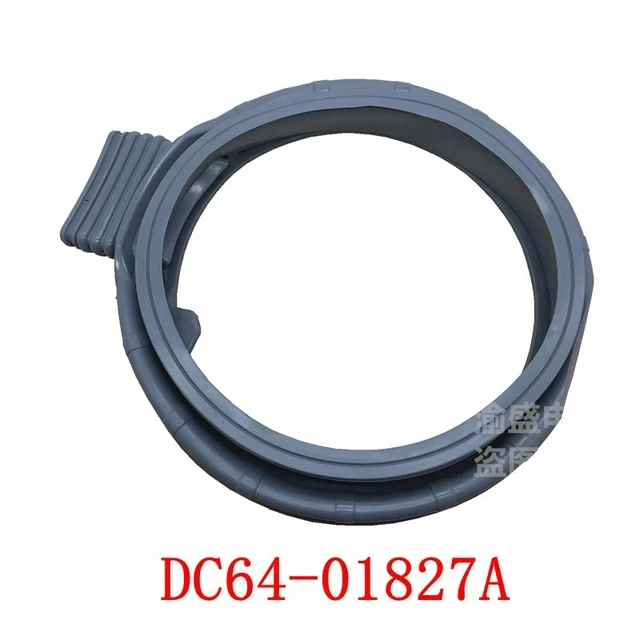
If the damage is limited to small gaps or cracks in the hatch cuff, you can try using silicone sealant to create a watertight seal. Clean the damaged area thoroughly and apply the silicone sealant according to the manufacturer’s instructions. Let it dry completely before using the washing machine.
It is important to note that while these alternative solutions may temporarily fix a damaged hatch cuff, it is always recommended to replace the cuff for a long-term solution. Regular maintenance and inspections of the hatch cuff are also crucial to prevent any potential leaks or further damage to the washing machine.
Video on the topic
AEG Lavamat washing machine strip down – Sealed drum can’t fix 🙁
Answers to frequently asked questions
Read more practical tips and expert opinions about modern devices at appliances-news.com. Here you will find answers to questions about any technology.