Washing machines have become an essential part of our daily lives, making laundry tasks much more convenient. However, like any other household appliance, they can experience glitches and breakdowns. It can be frustrating when your washing machine suddenly stops working or starts malfunctioning.
Fortunately, many washing machine issues can be easily fixed without the need for professional assistance. By understanding common glitches and their solutions, you can save both time and money. In this article, we will explore some of the most common washing machine problems and provide simple troubleshooting tips to help you resolve them.
1. Washing machine not turning on: If your washing machine is not starting at all, it could be due to a power supply issue. Check the power cord and ensure it is securely plugged into a working outlet. If the outlet is fine, try unplugging the machine for a few minutes and then plugging it back in. Sometimes, a power surge can cause the machine to malfunction, and resetting it may solve the problem.
2. Excessive noise during operation: Unusual noises coming from your washing machine can be a sign of a problem. One common cause is an unbalanced load. Make sure the clothes are evenly distributed inside the drum. If the noise persists, it could indicate an issue with the drum bearings or motor. In this case, it is best to call a technician for a thorough inspection and repair.
3. Leaking water: Finding a pool of water around your washing machine can be alarming. Check for any visible cracks or holes in the hoses and connections. Tighten the hose connections if they are loose. If the leak is from the door seal, it may need to be replaced. However, if you are unsure about fixing the issue yourself, it is advisable to seek professional help to prevent further damage.
4. Foul odor from the machine: Over time, washing machines can develop a musty smell due to bacteria and mold buildup. To eliminate odors, run a hot water cycle with bleach or vinegar, or use laundry machine cleaners specifically designed for removing mold and mildew. Regularly cleaning the detergent drawer and door seal can also help prevent unpleasant smells.
Remember, safety should always be a priority when troubleshooting and repairing your washing machine. If you are unsure about any step or if the problem persists, it’s best to consult a professional technician to avoid any further damage to your appliance.
No Power
If your washing machine has no power, there could be a few reasons why. Firstly, check if the power cord is securely plugged into an outlet. It may have accidentally been unplugged or become loose. Make sure the outlet is functioning properly by plugging in another device.
If the power cord is plugged in and the outlet is working, but the machine still has no power, the next step is to check the circuit breaker. If it has tripped, reset it and try turning on the washing machine again. If the circuit breaker keeps tripping, there may be an electrical issue that requires professional assistance.
Another possible cause of no power could be a blown fuse. To check if this is the problem, locate the fuse box for your house or apartment and find the one that corresponds to the laundry room. If the fuse has blown, replace it with a new one of the same amperage. If the new fuse blows again, it’s best to consult an electrician.
Conclusion
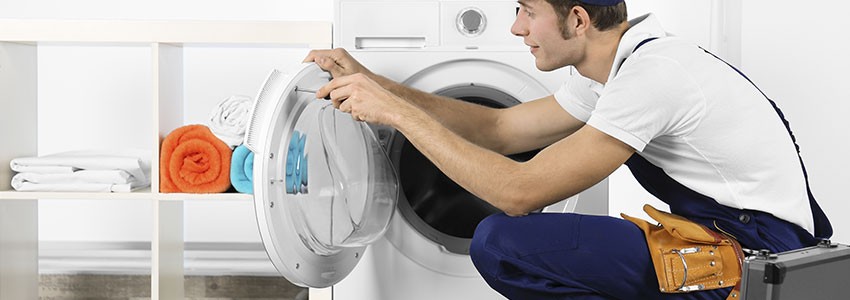
When your washing machine has no power, it can be frustrating, but don’t panic. Check the power cord, the outlet, the circuit breaker, and the fuse to identify and resolve the issue. If you’re unsure or uncomfortable with any of these steps, it’s always best to consult a professional to avoid any potential electrical hazards or further damage to the machine.
Water Leaks
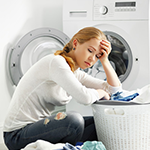
One of the most common problems with washing machines is water leaks. If you notice water pooling around your machine or dripping from the door or hose, it’s important to address the issue right away to prevent any damage to your floors or property.
Here are a few possible causes for water leaks:
1. Faulty door seal: Over time, the door seal on your washing machine can become worn or damaged. This can cause water to leak out during the wash or spin cycle. To fix this issue, you can replace the door seal with a new one.
2. Loose hose connections: Check the connections between the inlet hoses and your washing machine to make sure they are tight. If the connections are loose, water can leak out. Use a wrench to tighten them if necessary.
3. Clogged drain pipe: A clogged drain pipe can cause water to back up and leak out of the washing machine. To unclog the drain pipe, disconnect it from the machine and remove any debris or blockages. Then, reattach the pipe securely.
Here’s how you can fix a water leak:
1. Turn off the power to your washing machine and unplug it from the wall.
2. Locate the source of the leak. Check the door seal, hose connections, and drain pipe.
3. If the door seal is damaged, remove it and replace it with a new one. Follow the manufacturer’s instructions for installation.
4. If the hose connections are loose, use a wrench to tighten them. Make sure they are secure but not over-tightened.
5. If the drain pipe is clogged, disconnect it from the machine and remove any debris or blockages. Reattach the pipe securely.
6. Once you have fixed the issue, turn on the power to your washing machine and run a short cycle to check for any remaining leaks.
Remember to always follow the manufacturer’s instructions and use caution when working with electrical appliances. If you are unsure about any step or unable to fix the issue yourself, it’s best to contact a professional technician.
Excessive Noise
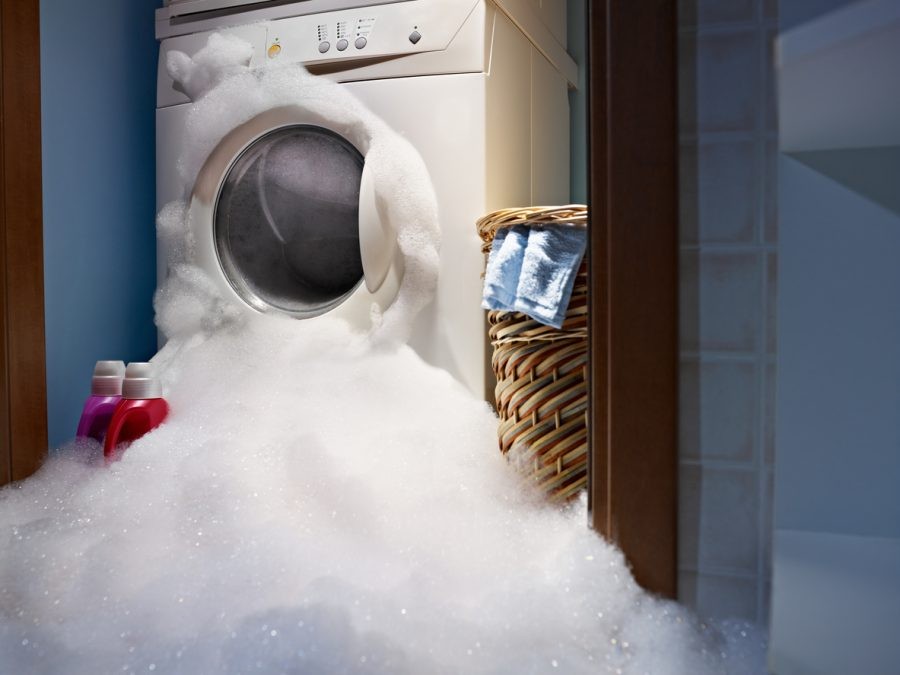
If your washing machine is making excessive noise during operation, it could be a sign of a problem that needs to be addressed. Here are a few possible causes and solutions:
Unbalanced Load
An unbalanced load can cause your washing machine to become noisy. This typically occurs when the items inside the drum are unevenly distributed. To fix this issue, stop the washing machine and redistribute the items so that they are evenly spread out.
Worn Out Drum Bearings

Over time, the drum bearings in your washing machine can become worn out, leading to excessive noise. If you suspect that worn out drum bearings are the cause of the noise, you will likely need to replace them. Contact a professional technician to do the job, as it requires disassembling the machine.
Other possible causes of excessive noise in a washing machine include a faulty motor, loose parts, or a damaged belt. In these cases, it’s best to consult a professional for an accurate diagnosis and repair.
Note: It’s important to address excessive noise in your washing machine as soon as possible to prevent further damage and ensure proper functioning. Ignoring the issue can result in more expensive repairs down the line.
Cycle Does Not Start
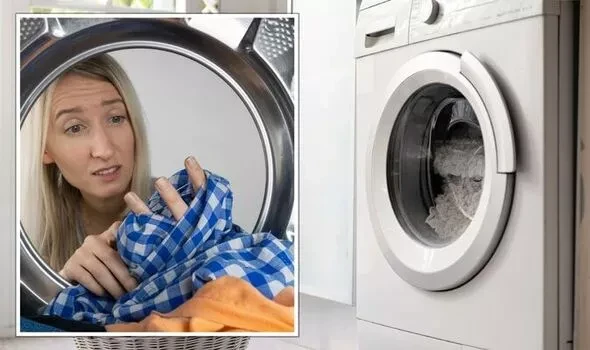
If your washing machine cycle does not start, there may be several reasons for this issue. Here are a few possible causes and troubleshooting steps:
1. Power supply: Ensure that the washing machine is properly plugged into a working power outlet and that the power cord is not damaged. Check if the circuit breaker or fuse connected to the washing machine has tripped or blown. Reset the breaker or replace the fuse if necessary.
2. Door or lid switch: Many washing machines are equipped with a switch that detects whether the door or lid is properly closed. If this switch is faulty or not engaged properly, the cycle may not start. Inspect the door or lid switch to see if it is damaged or misaligned. Adjust or replace the switch if needed.
3. Control panel settings: Make sure that the control panel settings are correct for the desired cycle. Check if any buttons or knobs are stuck or not responding properly. If necessary, gently clean the control panel or replace any faulty buttons or knobs.
4. Water supply: The washing machine may not start if the water supply is not connected or turned on. Ensure that the water hoses are properly connected to the machine and that the water faucets are open. Check for any kinks or clogs in the hoses that may be blocking water flow.
5. Timer or electronic control board: If none of the above solutions resolve the issue, there may be a problem with the timer or electronic control board of the washing machine. In this case, it is recommended to contact a professional technician or the manufacturer for further assistance.
| Possible Cause | Troubleshooting Steps |
|---|---|
| Power supply | Check power outlet, reset circuit breaker or replace fuse |
| Door or lid switch | Inspect switch for damage or misalignment, adjust or replace if needed |
| Control panel settings | Ensure correct settings, clean or replace faulty buttons or knobs |
| Water supply | Check water connection, open water faucets, remove any hose kinks or clogs |
| Timer or electronic control board | Seek professional assistance |
Clothes Not Getting Clean
If your clothes are not getting clean after a wash, there could be a few reasons for this problem. Here are some common issues and solutions:
1. Overloaded Machine
One possible reason for clothes not getting clean is overloading the machine. When you stuff too many clothes into the washer, they don’t have enough room to move around and get properly cleaned. To fix this issue, try washing smaller loads of laundry. This will allow the clothes to have enough space to agitate and get thoroughly cleaned.
2. Incorrect Detergent Usage
Another factor that may prevent your clothes from getting clean is the incorrect usage of detergent. Using too little detergent can result in inadequate cleaning power, while using too much can leave residue on your clothes. Follow the manufacturer’s guidelines for the correct amount of detergent to use based on the load size and level of soil. Also, make sure you are using the right type of detergent for your specific washing machine.
Additionally, consider factors such as water hardness in your area. Hard water can make it difficult for detergents to lather effectively, leading to less efficient cleaning. In such cases, using a water softener or adding some vinegar to the wash can help improve cleaning performance.
By addressing these common causes, you can ensure that your clothes get thoroughly clean and fresh every time you use your washing machine.
Video on the topic
How to Diagnose Drum Problems in a Washing Machine
Answers to frequently asked questions
Read more practical tips and expert opinions about modern devices at appliances-news.com. Here you will find answers to questions about any technology.