
The spinning drum in a washing machine is a crucial component that helps in the effective cleaning of clothes. However, there can be instances where the drum faces difficulties in spinning. This not only hampers the washing process but also causes inconvenience to the user. In this article, we will explore some of the common causes for difficulties in spinning drum and discuss possible solutions to resolve these issues.
One of the main causes for difficulties in spinning drum is an imbalance of the load. When the clothes inside the drum are unevenly distributed, it creates an imbalance that affects the spinning motion. This can happen due to overloading the machine or placing heavy items on one side of the drum. An imbalanced load can put strain on the motor and result in difficulties in spinning. To resolve this, it is important to distribute the clothes evenly inside the drum and avoid overloading.
Another cause for difficulties in spinning drum is a faulty or worn-out drive belt. The drive belt is responsible for connecting the motor to the drum and enabling the spinning motion. Over time, the belt can become loose, worn out, or even break, which can lead to difficulties in spinning. To resolve this issue, the drive belt should be inspected regularly and replaced if necessary. It is also important to ensure that the belt has the right tension for proper functioning.
Additionally, difficulties in spinning drum can be caused by a malfunctioning motor or motor control board. The motor is responsible for controlling the spinning motion of the drum, and if it is not functioning properly, it can result in difficulties in spinning. Similarly, a faulty motor control board can also affect the spinning performance. In such cases, it is advisable to consult a professional technician for repair or replacement of the motor or motor control board.
In conclusion, difficulties in spinning drum in a washing machine can be caused by various factors, including an imbalance of the load, a faulty drive belt, or a malfunctioning motor. By understanding the causes and implementing the proposed solutions, users can ensure smooth and effective functioning of the spinning drum, resulting in cleaner and better-washed clothes.
- Causes of Difficulties in Spinning Drum in Washing Machine
- 1. Overloading
- 2. Imbalance
- 3. Faulty Drive Belt
- 4. Motor Issues
- 5. Blockage in the Drain Pump or Filter
- Imbalance of Laundry Load
- Worn Out or Damaged Belt
- Summary
- Faulty Motor
- Symptoms of a Faulty Motor
- Solution for a Faulty Motor
- Video on the topic
- Top-Load Washer Vibrating or Shaking — Top-Load Washing Machine Troubleshooting
- Whirlpool Washer Won’t Spin – How to Test and Fix
- Answers to frequently asked questions
Causes of Difficulties in Spinning Drum in Washing Machine
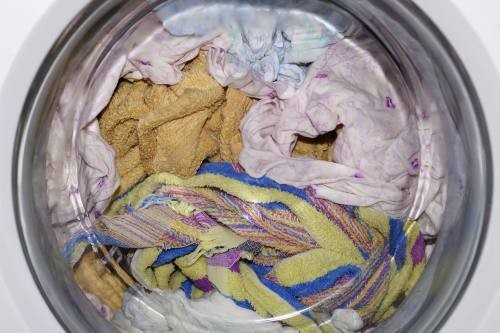
There can be several causes for difficulties in spinning drum in a washing machine. Identifying these causes can help in solving the problem and improving the performance of the washing machine.
1. Overloading
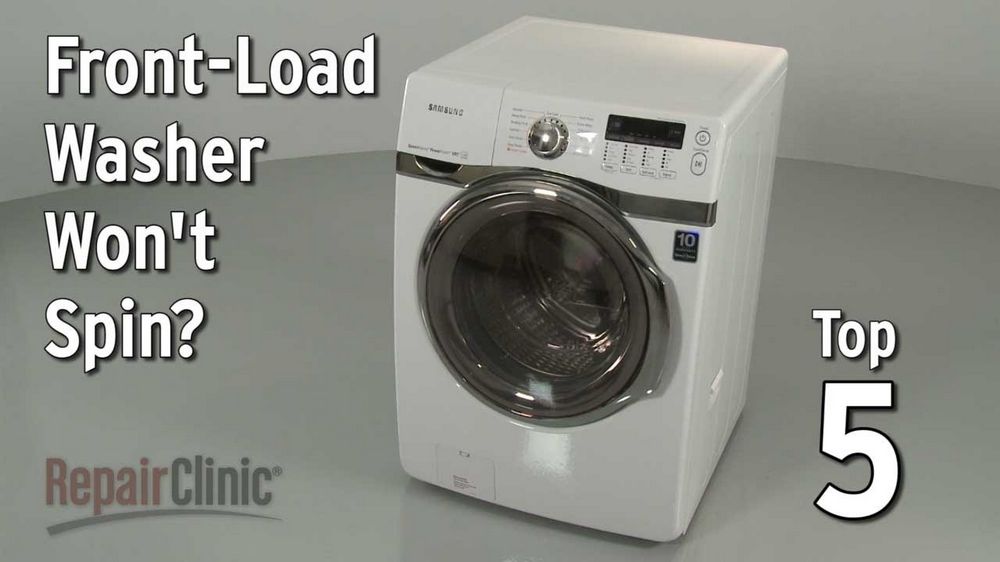
One common cause of difficulties in spinning drum is overloading. When the drum is overloaded with too many clothes, it puts excessive strain on the motor and belt, making it harder for the drum to spin properly. This can result in slower spinning or even complete failure of the drum to spin.
2. Imbalance
Another cause of difficulties in spinning drum is an imbalance in the load. If the clothes are unevenly distributed in the drum, it can cause the machine to vibrate excessively during the spin cycle. This can lead to the drum not spinning properly or stopping altogether. Ensuring a balanced load before starting the washing machine can help prevent this issue.
3. Faulty Drive Belt
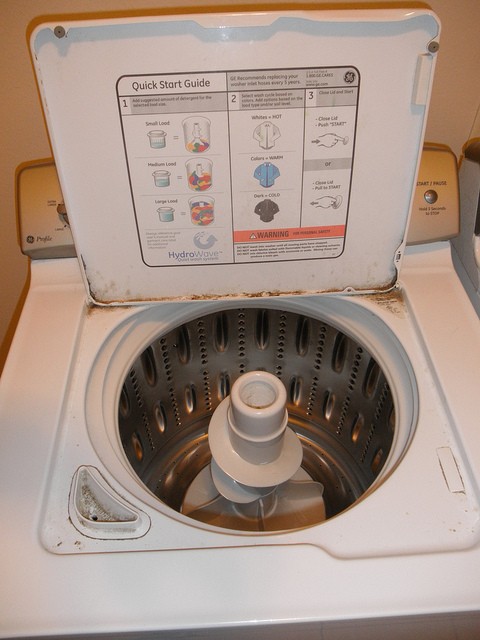
A faulty drive belt can also cause difficulties in spinning drum. The drive belt is responsible for transferring power from the motor to the drum. If the belt is worn out or damaged, it may not provide enough tension to rotate the drum properly. This can result in the drum spinning slowly or not spinning at all. Regular maintenance and replacement of the drive belt can help prevent this problem.
4. Motor Issues
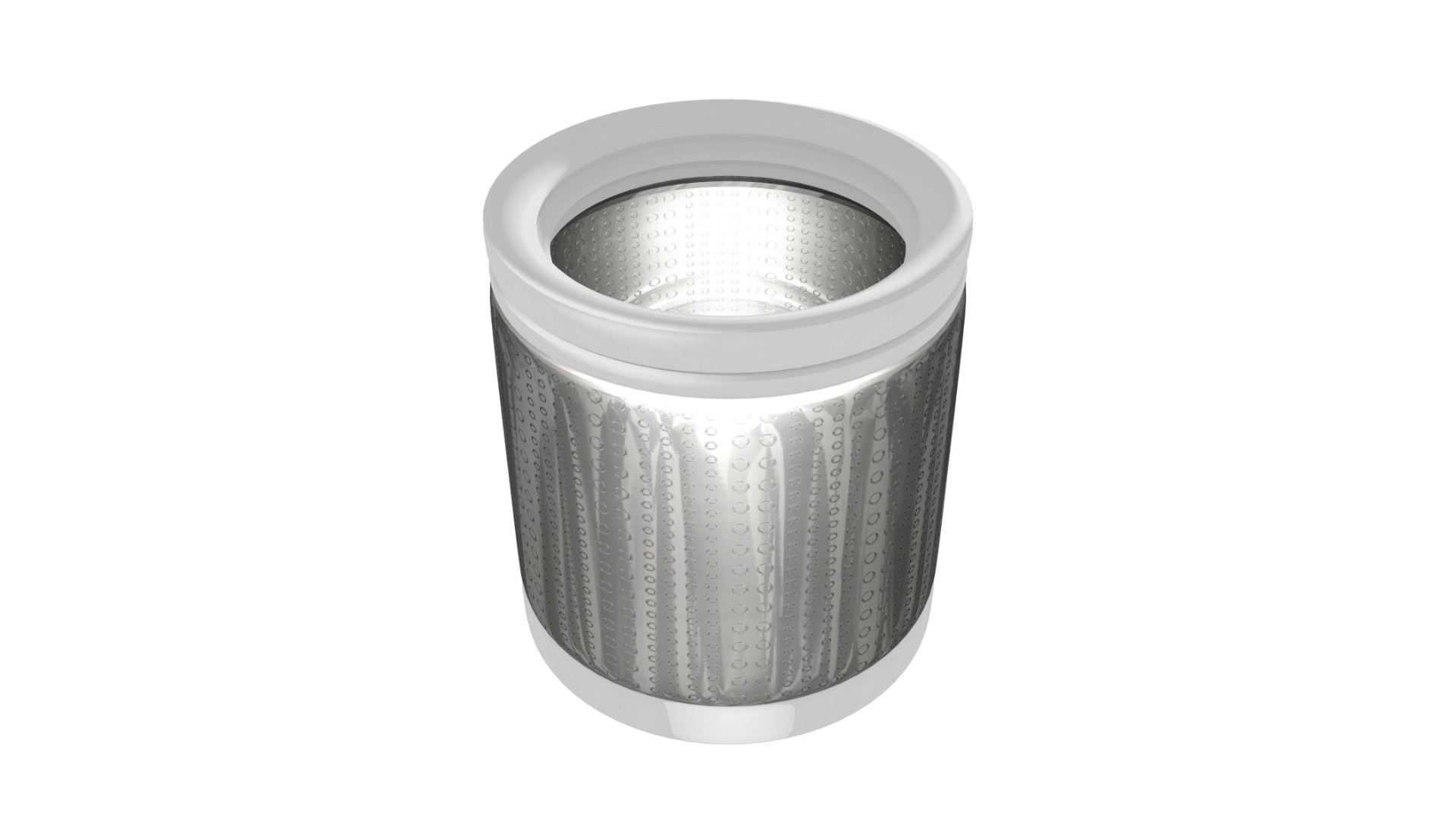
If the motor of the washing machine is faulty or damaged, it can also cause difficulties in spinning drum. The motor provides the necessary power for the drum to spin. If there are issues with the motor, such as loose connections or burnt-out components, it can result in the drum not spinning properly. Professional repair or replacement of the motor may be required to fix this problem.
5. Blockage in the Drain Pump or Filter
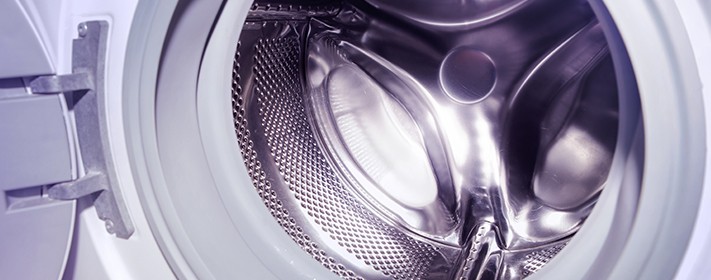
A blockage in the drain pump or filter can also cause difficulties in spinning drum. If there is a clog in the drain pump or filter, it can restrict the flow of water out of the drum, causing the drum to spin slower or not spin at all. Regular cleaning and maintenance of the drain pump and filter can help prevent this issue.
Overall, these are some common causes of difficulties in spinning drum in a washing machine. By addressing these causes and taking preventive measures, such as not overloading the drum and maintaining the machine properly, one can ensure smoother and more efficient spinning of the drum in the washing machine.
Imbalance of Laundry Load

A common cause for the difficulties in spinning drum in a washing machine is an imbalance of the laundry load. When the laundry inside the drum is not distributed properly, it can result in an uneven weight distribution. This imbalance causes the drum to spin unevenly and can lead to shaking, rattling, or even complete failure of the spinning function.
An imbalance of the laundry load can occur due to several reasons. Firstly, overloading the washing machine with too much laundry can lead to uneven weight distribution. This can put excessive strain on the motor and other components, making it difficult for the drum to spin smoothly.
Secondly, adding large and heavy items, such as blankets or towels, can also cause an imbalance. These items tend to absorb more water and become heavier during the wash cycle, which results in an uneven distribution of weight. As a result, the drum may struggle to spin properly, and the washing machine may experience difficulties.
To solve the issue of an imbalance of laundry load, it is important to always follow the recommended load capacity specified by the manufacturer. Overloading the washing machine should be avoided, as it can lead to various mechanical problems, including difficulties in spinning the drum.
Furthermore, when loading the laundry, it is advised to distribute the items evenly inside the drum. Ensure that heavier items are spread out and not concentrated in one area. This will help maintain a balanced weight distribution and prevent the drum from spinning unevenly.
In addition, making use of the machine’s built-in balance detection systems can also help prevent difficulties in spinning the drum. Washing machines often have sensors that can detect imbalances and adjust the spinning cycle accordingly. These sensors can make the necessary adjustments to ensure a smoother and more balanced spinning process.
Overall, an imbalance of the laundry load can significantly affect the spinning function of a washing machine. By following the recommended load capacity, distributing the laundry evenly, and utilizing the machine’s balance detection systems, users can prevent difficulties and maintain the proper functioning of the drum spinning mechanism.
Worn Out or Damaged Belt

Another common cause for difficulties in spinning the drum is a worn out or damaged belt. The belt is an essential component that connects the motor to the drum, allowing it to rotate. Over time, the belt can become worn out, stretched, or damaged, which can result in a loss of power or slipping motion.
If you suspect that the belt is the issue, you can visually inspect it for signs of wear or damage. Look for cracking, fraying, or glazing on the belt’s surface. Additionally, check for any looseness in the belt by pushing down on it lightly. If it moves easily or feels loose, it may need to be replaced.
To replace the belt, you will need to access the washing machine’s motor and drum assembly. Follow the manufacturer’s instructions or consult a professional if you are unsure how to do this. Once you have gained access, locate the belt and remove it from the pulleys. Take note of the belt’s size and type to ensure you purchase the correct replacement.
After obtaining a new belt, carefully loop it around the motor pulley and then over the drum pulley. Make sure it is positioned correctly and securely. Next, test the machine by running a spin cycle to see if the drum rotates smoothly. If the drum spins properly without any issues, the worn out or damaged belt was indeed the culprit. However, if the problem persists, further troubleshooting may be required.
| Pros | Cons |
|---|---|
| Relatively inexpensive to replace the belt | May require technical knowledge to access and replace the belt |
| Simple to visually inspect for signs of wear or damage | May need to purchase the correct belt size and type |
| Replacing the belt can potentially solve the spinning issue | Other underlying problems may prevent the drum from spinning |
Summary
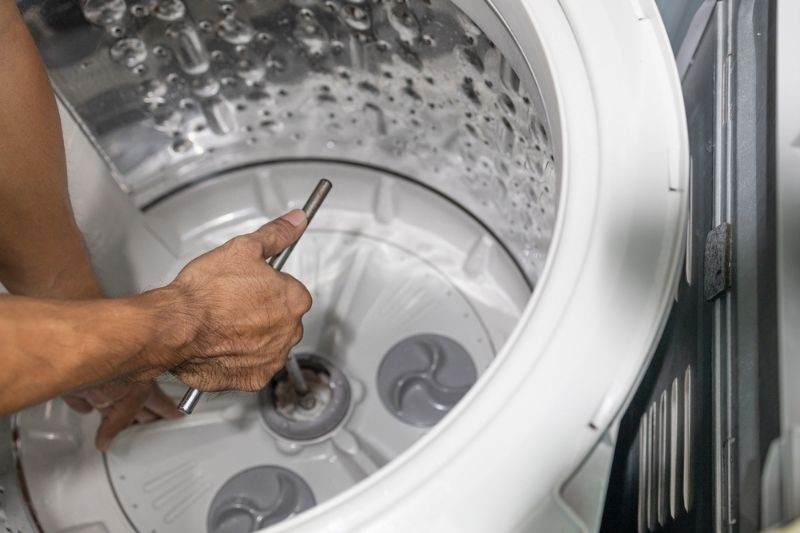
A worn out or damaged belt can cause difficulties in spinning the drum of a washing machine. Visual inspection for signs of wear or damage can help determine if the belt needs to be replaced. Replacing the belt may solve the issue, but other underlying problems could be preventing the drum from spinning.
Faulty Motor
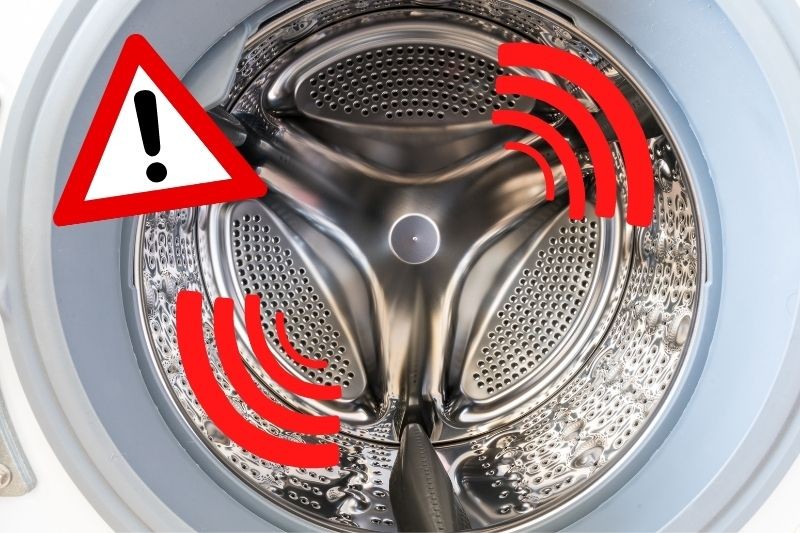
A faulty motor can also be one of the causes of difficulties in spinning the drum in a washing machine. The motor is responsible for powering the drum and allowing it to rotate during the wash and spin cycles. If the motor is faulty or malfunctioning, it may not be able to generate enough power to spin the drum effectively.
There are several reasons why a motor can become faulty. One common reason is wear and tear over time. Continuous use of the washing machine can cause the motor’s components to deteriorate, leading to decreased performance and eventually failure. Additionally, electrical problems, such as loose connections or damaged wiring, can also contribute to a faulty motor.
Symptoms of a Faulty Motor
There are several symptoms that can indicate a faulty motor in a washing machine:
- The drum does not spin at all
- The drum spins slowly or inconsistently
- Unusual noises coming from the motor
- Burnt smell or smoke coming from the motor
- Motor overheating
If you notice any of these symptoms, it is likely that the motor in your washing machine is faulty and needs to be repaired or replaced.
Solution for a Faulty Motor

If you suspect that the motor in your washing machine is faulty, it is best to seek professional help. A qualified technician will be able to diagnose the issue and determine whether the motor needs to be repaired or replaced. They will also be able to safely disconnect and reconnect the motor, ensuring that it is installed correctly.
Depending on the extent of the damage, repairing the motor may be a cost-effective solution. However, if the motor is severely damaged or outdated, it may be more economical to replace it with a new one. In either case, it is important to consult with a professional to ensure that the motor is properly installed and functioning correctly.
In order to prevent future motor problems, it is recommended to follow the manufacturer’s guidelines for maintenance and care of the washing machine. Regularly cleaning the drum and other components, checking for loose connections, and avoiding overloading the machine can help prolong the life of the motor.
In conclusion, a faulty motor can be one of the causes of difficulties in spinning the drum in a washing machine. If you suspect that the motor is faulty, it is best to seek professional help to diagnose and resolve the issue. Whether the motor needs to be repaired or replaced, a qualified technician will be able to provide the necessary expertise and ensure that the washing machine is functioning properly.
Video on the topic
Top-Load Washer Vibrating or Shaking — Top-Load Washing Machine Troubleshooting
Whirlpool Washer Won’t Spin – How to Test and Fix
Answers to frequently asked questions
Read more practical tips and expert opinions about modern devices at appliances-news.com. Here you will find answers to questions about any technology.


