
When your Bosch washing machine refuses to drain, it can be frustrating and inconvenient. However, understanding the potential causes and troubleshooting the issue can help you get your machine back up and running smoothly. In this troubleshooting guide, we will explore some of the common causes for a Bosch washing machine not draining, so you can quickly identify and resolve the problem.
1. Clogged Drain Pump Filter: One of the most common causes for a Bosch washing machine not draining is a clogged drain pump filter. Over time, debris such as lint, coins, and other small items can accumulate in the filter, preventing the water from draining. To check if this is the issue, locate the drain pump filter, usually located at the front bottom of the machine, and clean it out.
2. Blocked Drain Hose: Another possible reason for your Bosch washing machine not draining is a blocked drain hose. The drain hose may become clogged with lint, clothing fibers, or other obstructions, causing the water to back up and not drain properly. Inspect the drain hose and remove any blockages to restore proper drainage.
3. Faulty Drain Pump: If you have checked the drain pump filter and drain hose and they are clear, the issue may lie with a faulty drain pump. The drain pump is responsible for pumping the water out of the machine, and if it is malfunctioning, the water may not drain properly. In this case, it may be necessary to replace the drain pump to resolve the issue.
4. Excessive Detergent or Fabric Softener: Using too much detergent or fabric softener can cause excessive suds and prevent the water from draining properly in your Bosch washing machine. Ensure that you are using the correct amount of detergent and fabric softener according to the manufacturer’s guidelines to avoid this issue.
5. Other Potential Causes: While these are some of the most common causes for a Bosch washing machine not draining, there may be other factors at play, such as a malfunctioning control board, faulty sensors, or a problem with the electronic control panel. If you have checked the drain pump filter, drain hose, and detergent usage, and the issue persists, it may be necessary to call a professional technician to diagnose and repair the problem.
By understanding the common causes for a Bosch washing machine not draining and following the troubleshooting tips outlined in this guide, you can work towards resolving the issue and getting your machine back to optimal performance. Remember to always follow safety precautions and consult the manufacturer’s manual for specific instructions related to your Bosch washing machine.
- Common Causes for Bosch Washing Machine Not Draining
- Clogged Drain Pump
- Pro Tip:
- Faulty Drain Hose
- 1. Check for blockages
- 2. Ensure proper installation
- 3. Replace a damaged hose
- Blocked Filter
- Malfunctioning Drain Pump
- Debris in the Tub
- Kinked or Twisted Drain Hose
- Video on the topic
- Ten Day Forecast: Hints Of Some Colder Weather For Mid-November Perhaps?
- Washer Won’t Drain — Washing Machine Troubleshooting
- Bosch washing machine drain pump filter stuck – Avantixx Vario Perfect Eco Silence Drive
- Washing machine is not draining water away
- Bosch Front Load Washer Won’t Drain (e13 code)
- Answers to frequently asked questions
Common Causes for Bosch Washing Machine Not Draining
There are several common causes for a Bosch washing machine not draining properly. Here are some of the most common issues and troubleshooting steps to resolve them:
- Clogged Drain Pump: Over time, small objects like coins, buttons, and lint can accumulate and clog the drain pump. To troubleshoot this issue, first, remove any items from the pump filter. Next, check the pump impeller for any obstructions and remove them if necessary. Finally, run a drain cycle to see if the issue is resolved.
- Kinked or Clogged Drain Hose: Check the drain hose for any kinks or clogs. Straighten out any kinks and remove any clogs to ensure proper drainage. Additionally, ensure that the drain hose is not inserted too far into the standpipe, as this can cause water to siphon back into the machine.
- Blocked or Incorrectly Installed Standpipe: If the standpipe is blocked or not installed correctly, it can cause drainage issues. Ensure that the standpipe is free from any obstructions and that it is installed at the correct height (at least 30 inches above the floor). This will allow for adequate drainage without any backflow.
- Faulty Drain Pump: If the drain pump is not functioning properly, it may need to be replaced. To determine if the pump is faulty, listen for any unusual noises during the drain cycle or check if the pump impeller is turning. If the pump is not working correctly, it will need to be inspected and replaced if necessary.
- Excess Detergent: Using too much detergent can cause excessive sudsing, leading to drainage issues. Make sure to follow the manufacturer’s instructions for the recommended amount of detergent to use. Additionally, clean the detergent dispenser regularly to remove any buildup that can affect drainage.
By troubleshooting these common causes, you can often resolve a Bosch washing machine not draining issue on your own. However, if the problem persists, it may be necessary to contact a professional technician for further assistance.
Clogged Drain Pump

One common cause for a Bosch washing machine not draining is a clogged drain pump. The drain pump is responsible for removing water from the machine during the drain cycle, and if it becomes clogged or blocked, the water will not be able to drain out properly.
To check if the drain pump is clogged, start by unplugging the washing machine and removing any standing water from the tub. Then, locate the drain pump filter, which is usually located at the front bottom of the machine. Place a towel or bucket underneath the filter to catch any water that may be released.
Once you have located the filter, use a screwdriver or similar tool to remove the cover. Be prepared for water to come out, so empty the towel or bucket as necessary. Check the filter for any debris, such as lint, coins, or small objects, that may be causing a blockage. Clean the filter thoroughly, removing all debris.
Pro Tip:
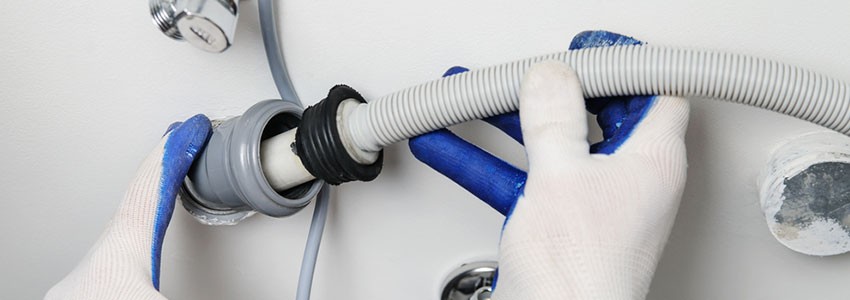
It’s a good idea to clean the drain pump filter regularly, every few months, to prevent clogs and ensure optimal performance of your Bosch washing machine.
Once the filter is clean, replace the cover and securely tighten it with the screwdriver. Plug the machine back in and run a short drain cycle to check if the water is now draining properly. If it still does not drain, you may need to contact a professional for further assistance.
In some cases, the drain pump itself may be faulty or damaged, and may need to be replaced. If you suspect this is the issue, it is best to consult the manufacturer’s manual or contact a professional for guidance.
Remember, always exercise caution when working with electrical appliances, and if you are unsure or uncomfortable with any step of the troubleshooting process, it is best to seek professional help.
Faulty Drain Hose

If your Bosch washing machine is not draining properly, one possible cause could be a faulty drain hose. The drain hose is responsible for carrying the water out of the machine during the drainage cycle. If the drain hose is damaged, clogged, or improperly connected, it can prevent the water from draining out efficiently.
To troubleshoot this issue, follow these steps:
1. Check for blockages
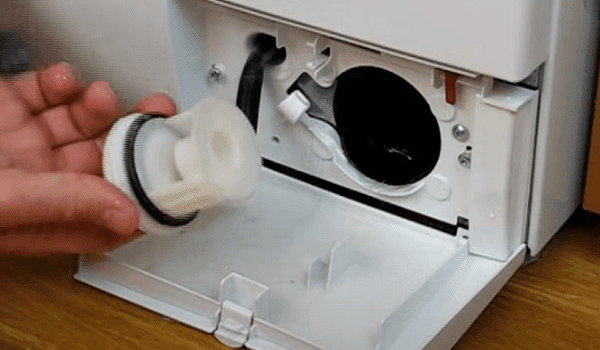
Inspect the drain hose for any blockages or obstructions. Make sure the hose is not kinked or twisted, as this can also restrict the water flow. Use a flashlight to carefully check for any debris or lint that may be blocking the hose. If you find any blockages, remove them and test the machine to see if it drains properly.
2. Ensure proper installation
Confirm that the drain hose is installed correctly. It should be securely connected to the drain pump or wall outlet, depending on the design of your washing machine. Double-check the connections to ensure there are no leaks or loose fittings. If the hose is not properly installed, it can lead to drainage issues.
3. Replace a damaged hose

If you notice any cracks, tears, or leaks in the drain hose, it may be necessary to replace it. A damaged hose will not effectively drain the water, causing problems with the washing machine. Purchase a new hose that is compatible with your Bosch model and follow the manufacturer’s instructions for installation.
In conclusion, a faulty drain hose can be a common culprit for a Bosch washing machine that is not draining properly. With proper troubleshooting, such as checking for blockages, ensuring proper installation, and replacing a damaged hose if necessary, you can resolve this issue and restore your washing machine’s drainage function.
Blocked Filter
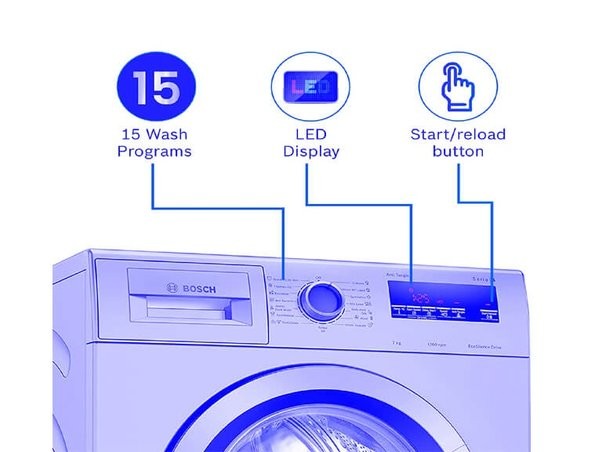
A common cause for a Bosch washing machine not draining is a blocked filter. The filter is located at the bottom of the machine and is designed to trap any large objects or debris that may be in the water. When the filter becomes blocked, it can prevent the water from draining properly.
To check if the filter is blocked, first, ensure that the washing machine is unplugged and the water supply is turned off. Then, locate the filter access panel, which is usually located at the front or bottom of the machine. Use a screwdriver or a coin to open the panel.
Carefully remove the filter by unscrewing it or pulling it out, depending on the model of your Bosch washing machine. Check the filter for any signs of blockage, such as lint, coins, or small objects. Use a brush or a cloth to clean the filter thoroughly, removing any debris that may be trapped.
Once the filter is clean, reinsert it back into the machine and secure the access panel. Make sure that it is properly tightened to prevent any leaks. Plug the machine back in and turn on the water supply.
After cleaning the filter, run a test cycle to check if the Bosch washing machine is now draining properly. If the problem persists, there may be a more serious issue with the machine’s pump or drainage system, and it may require professional assistance to fix.
Malfunctioning Drain Pump
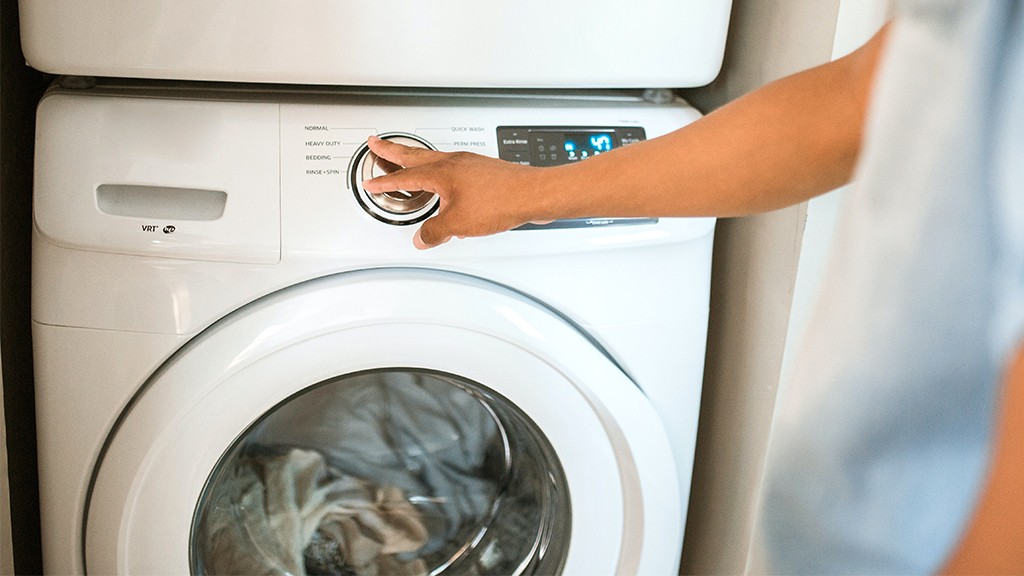
One common cause for a Bosch washing machine not draining is a malfunctioning drain pump. The drain pump is responsible for removing water from the drum of the washing machine during the drain cycle. If the drain pump is not functioning properly, water may not be able to be expelled from the machine.
There are a few indicators that the drain pump may be malfunctioning. If you hear a humming sound coming from the washing machine during the drain cycle but no water is being drained, it is likely that the drain pump is clogged or faulty. Additionally, if the washing machine is not draining and there is an error code displayed on the control panel, it may indicate a problem with the drain pump.
To troubleshoot a malfunctioning drain pump, you can start by manually inspecting the pump for any clogs or obstructions. If you are comfortable doing so, you can also try removing the drain pump to clean it or check for any damage. However, it is recommended to seek professional assistance if you are unsure or uncomfortable performing these tasks.
If you have determined that the drain pump is faulty, it will likely need to be replaced. You can purchase a new drain pump from a Bosch authorized dealer or appliance repair service. Be sure to have the model and serial number of your washing machine on hand when ordering the replacement part.
In conclusion, a malfunctioning drain pump is a common cause for a Bosch washing machine not draining. If you suspect that the drain pump is malfunctioning, it is recommended to troubleshoot and, if necessary, replace the pump to ensure proper drainage of water from the washing machine.
Debris in the Tub
An accumulation of debris in the tub can cause a Bosch washing machine to not drain properly. Over time, small items such as coins, buttons, and lint can build up and clog the drain pump or block the drain hose. This can result in water not being able to drain out of the machine after the wash cycle, causing it to remain standing in the tub.
To check for debris, start by turning off and unplugging the washing machine. Carefully remove any laundry from the tub and inspect it for any small items that may have been left behind. Check the pockets of clothing and remove any loose coins, buttons, or other foreign objects.
Next, visually inspect the drain pump and the drain hose for any visible blockages. If you see any debris, carefully remove it using a pair of tweezers or needle-nose pliers. Be cautious not to damage the drain pump or hose while removing the blockage.
If the blockage is not visible or cannot be easily accessed, you may need to remove the front or back panel of the washing machine to gain better access to the drain pump and hose. Refer to the user manual or consult a professional technician for guidance on how to safely remove these panels.
Once any debris has been removed, reconnect the drain hose and make sure it is securely fastened. Plug in the washing machine and run a test cycle to check if the water drains properly. If the issue persists, there may be a more serious problem with the drain pump or other components, and it is recommended to contact a professional for further assistance.
Kinked or Twisted Drain Hose

One common cause for a Bosch washing machine not draining properly is a kinked or twisted drain hose. The drain hose is responsible for carrying the dirty water out of the machine and into the drain pipe or a nearby sink. If the drain hose is bent, kinked, or twisted, it can restrict or block the flow of water, leading to draining issues.
To check if the drain hose is kinked or twisted, you need to access the back of the washing machine. Carefully pull the machine away from the wall, ensuring that you don’t damage any other connections. Once you have access to the back of the machine, examine the drain hose for any visible bends or twists.
If you notice a kink or twist in the hose, carefully straighten it out to allow for proper water flow. Be gentle while doing this, as excessive force can damage the hose or connections. Once the hose is straightened, make sure it is securely attached to both the washing machine and the drainage point.
If straightening the hose doesn’t resolve the draining issue, you may need to replace the drain hose altogether. Over time, the drain hose can become worn or damaged, leading to blockages and malfunctions. Consult the manufacturer’s instructions or a professional technician for guidance on how to replace the drain hose properly.
Regularly inspecting and maintaining the drain hose can help prevent future drainage problems. Ensure that the hose is positioned correctly and free from any bends or twists. Avoid placing heavy objects on top of the hose or pulling it forcefully during use, as this can lead to kinks or damage.
In summary, a kinked or twisted drain hose can be a common cause for a Bosch washing machine not draining properly. Ensure that the hose is straight and securely attached to both the machine and the drainage point. If necessary, consider replacing the drain hose to improve water flow and prevent future drainage issues.
Video on the topic
Ten Day Forecast: Hints Of Some Colder Weather For Mid-November Perhaps?
Washer Won’t Drain — Washing Machine Troubleshooting
Bosch washing machine drain pump filter stuck – Avantixx Vario Perfect Eco Silence Drive
Washing machine is not draining water away
Bosch Front Load Washer Won’t Drain (e13 code)
Answers to frequently asked questions
Read more practical tips and expert opinions about modern devices at appliances-news.com. Here you will find answers to questions about any technology.


