
Plaid patterns are a timeless and classic addition to any wardrobe. From traditional tartans to modern variations, plaid fabrics are known for their intricate, crisscross designs. However, when it comes to washing your favorite plaid garments, you may be wondering which mode to choose on your washing machine. Should you opt for a delicate cycle or a regular one? Let’s explore the options.
When it comes to washing plaid patterns, it’s important to consider the fabric composition. Plaid fabrics can be made from a variety of materials, including cotton, wool, and synthetic fibers. Each type of fabric may require different care instructions, so it’s essential to check the garment’s label for specific recommendations.
If your plaid garment is made of delicate materials such as silk or cashmere, it’s best to choose a gentle or delicate cycle on your washing machine. This mode uses slower agitation and lower spin speeds to minimize the chance of damaging the fabric. Additionally, using a mild detergent specifically designed for delicate garments can help maintain the integrity of the plaid pattern.
On the other hand, if your plaid garment is made of more durable materials like cotton or polyester, a regular or normal cycle on your washing machine should suffice. These fabrics can withstand more vigorous agitation and higher spin speeds without losing their shape or color. However, it’s still important to avoid using harsh detergents or bleach that could fade or distort the plaid pattern.
In conclusion, the mode you should use to wash plaid patterns depends on the fabric composition of your garment. For delicate materials like silk or cashmere, opt for a gentle or delicate cycle. For more durable fabrics like cotton or polyester, a regular or normal cycle should be sufficient. Remember to always check the garment’s label for specific care instructions and use a mild detergent to preserve the beauty of your plaid patterns for years to come.
- Best Practices for Washing Plaid Patterns
- 1. Sort and Separate
- 2. Check the Care Label
- 3. Use Cold Water
- 4. Gentle Cycle
- 5. Mild Detergent
- 6. Avoid Tumble Drying
- Selecting the Right Washing Mode for Plaid Fabrics
- Understanding the Fabric Care Labels
- Choosing the Gentle or Delicate Cycle
- Taking Precautions to Avoid Color Bleeding
- Using the Appropriate Water Temperature
- Choosing the Correct Detergent for Plaid Prints
- Implementing Gentle Washing Techniques
- 1. Sort your laundry
- 2. Use a gentle cycle
- 3. Use cold water
- 4. Turn garments inside out
- 5. Avoid harsh detergents
- Video on the topic
- Intro To: Pattern (Plaid) Matching
- 12 Clever BAKING SODA and VINEGAR Hacks, Uses & Benefits
- Seven tips for matching plaids and stripes when sewing garments
- Answers to frequently asked questions
Best Practices for Washing Plaid Patterns
Plaid patterns are a classic and timeless design that can be found on various clothing items, such as shirts, skirts, and dresses. To keep your plaid patterns looking fresh and vibrant, it is essential to follow the best practices for washing them. The following tips will help you preserve the integrity of the plaid patterns and ensure their longevity:
1. Sort and Separate
Before washing your plaid patterns, sort them according to color and fabric type. This step is crucial to prevent color bleeding and fabric damage. Wash similar colors together to avoid any potential color transfer between garments. Additionally, separate delicate fabrics from sturdy ones to prevent damage from rough agitation.
2. Check the Care Label
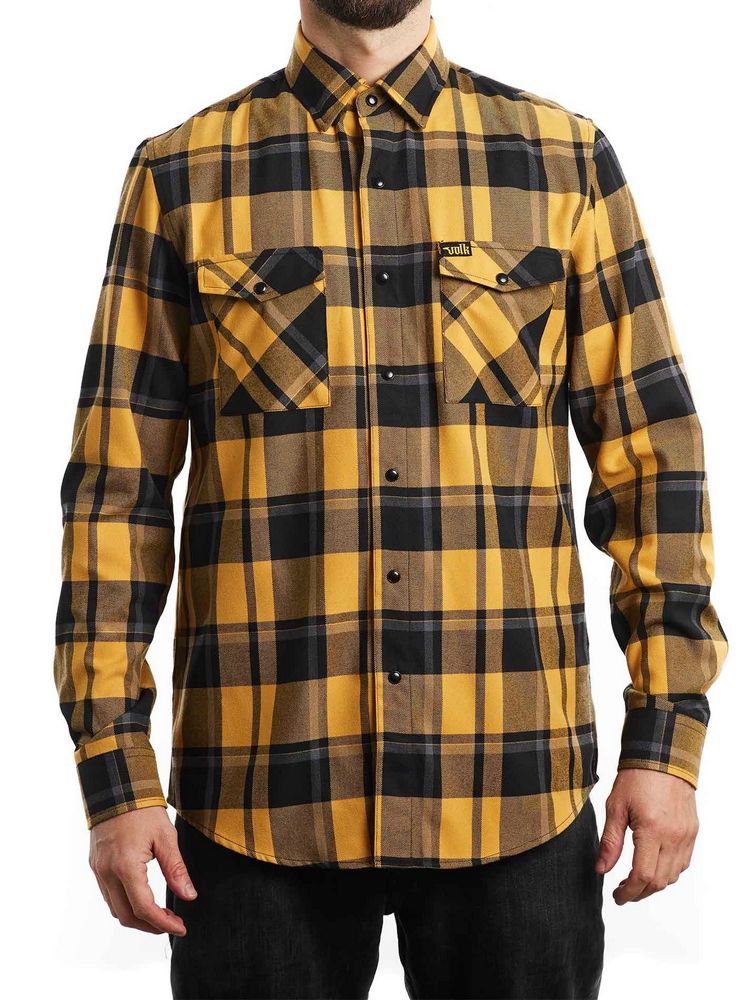
Always refer to the care label instructions on your plaid pattern clothing. The care label provides valuable information regarding the proper washing method and any specific precautions you need to take. It is essential to follow these instructions to avoid any potential damage or shrinkage.
3. Use Cold Water

When washing plaid patterns, opt for cold water instead of using hot or warm water. Cold water helps preserve the color and prevents any unwanted shrinkage or distortion. Additionally, cold water is gentler on fabrics and helps maintain the integrity of the plaid pattern.
4. Gentle Cycle

Choose the gentle cycle on your washing machine when cleaning plaid patterns. The gentle cycle uses slower agitation and reduces the risk of fabric damage. Avoid using the regular or heavy-duty cycles, as they can be too harsh on delicate plaid fabrics.
5. Mild Detergent

Use a mild detergent that is suitable for delicate fabrics when washing plaid patterns. Harsh detergents can cause fading, color bleeding, and damage to the fabric fibers. Follow the detergent manufacturer’s instructions and use the recommended amount for your load size.
6. Avoid Tumble Drying
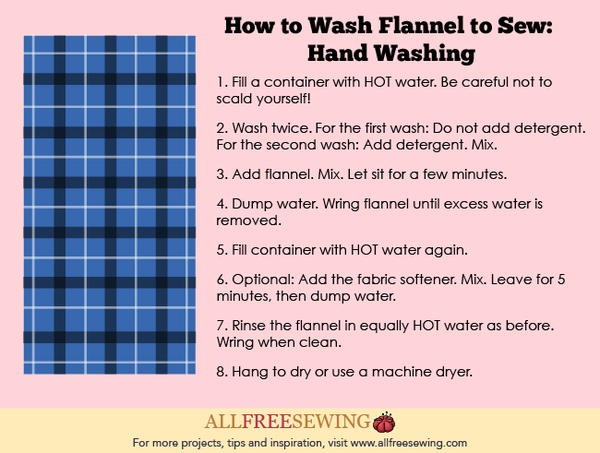
Avoid tumble drying your plaid pattern clothing whenever possible. Instead, opt for air drying by laying the garments flat on a clean, dry surface. Tumble drying can cause excessive heat and agitation, which may lead to fabric shrinkage, distortion, and color fade. If you must use a dryer, choose the lowest heat setting and remove the garments while they are still slightly damp.
By following these best practices for washing plaid patterns, you can ensure that your garments retain their vibrant colors and their overall quality remains intact. Taking proper care of your plaid pattern clothing will ensure that you can enjoy their timeless appeal for years to come.
Selecting the Right Washing Mode for Plaid Fabrics
Plaid fabrics are known for their distinctive pattern with intersecting colored stripes, making them a popular choice for clothing and home decor. However, washing plaid fabrics can be tricky as improper care can cause the colors to bleed or the fabric to shrink. To ensure that your plaid fabrics maintain their vibrant colors and shape, it’s essential to select the right washing mode.
Understanding the Fabric Care Labels
Before washing any plaid fabric, it’s important to carefully read the fabric care labels. These labels provide valuable information on the recommended washing methods, water temperature, and other essential instructions for maintaining the fabric’s quality. Pay close attention to any specific warnings or recommendations regarding the plaid pattern.
Choosing the Gentle or Delicate Cycle
In general, plaid fabrics are delicate and should be treated with care. The gentle or delicate cycle on your washing machine is often the best choice for washing plaid fabrics. This cycle uses slower agitation and shorter washing time, reducing the risk of color bleeding or fabric damage. Avoid using a regular or heavy-duty cycle, as the stronger agitation can cause the colored stripes to blur or fade.
| Washing Mode | Description |
|---|---|
| Gentle/Delicate | A slower agitation and shorter washing time, ideal for delicate fabrics like plaid. |
| Regular/Standard | A normal washing cycle with regular agitation, suitable for most sturdy fabrics. |
| Heavy-Duty | A vigorous washing cycle with strong agitation, best for heavily soiled fabrics. |
Additionally, it’s crucial to avoid overcrowding the washing machine when washing plaid fabrics. Overloading the machine can cause excessive friction and can lead to color bleeding or fabric distortion. Make sure to leave enough space for the fabric to move freely during the wash cycle.
When it comes to temperature, it’s generally recommended to use cold or lukewarm water for washing plaid fabrics. Hot water can cause colors to bleed, while cold water helps to preserve the vibrant colors and prevent shrinkage. However, always refer to the fabric care labels for specific temperature guidelines.
Finally, consider using a gentle, color-safe detergent specifically formulated for delicate fabrics. Avoid using bleach or any harsh chemicals that can damage the fabric and fade the colors.
By selecting the right washing mode and following the recommended guidelines, you can ensure that your plaid fabrics maintain their attractive appearance and durability for years to come.
Taking Precautions to Avoid Color Bleeding
When washing plaid patterns, it is important to take precautions to avoid color bleeding. Color bleeding occurs when the dyes in the fabric start to bleed into each other, resulting in an unwanted blending of colors. This can ruin the vibrant look of the plaid pattern and make the garment appear dull and faded.
Here are some precautions you can take to avoid color bleeding when washing plaid patterns:
| 1. Sort by Color | Sort your plaid garments by color before washing. This will help prevent any potential color bleeding between contrasting colors. Wash similar colors together to minimize the risk of bleeding. |
| 2. Use Cold Water | Wash your plaid patterns in cold water. Hot water can cause the dyes in the fabric to loosen and bleed. Cold water will help preserve the colors and prevent bleeding. |
| 3. Turn inside Out | Turn your plaid garments inside out before washing. This will help protect the outer surface of the fabric and minimize color bleeding. |
| 4. Use a Mild Detergent | Choose a mild detergent that is specifically formulated for colored fabrics. Harsh detergents can strip the dyes from the fabric and cause color bleeding. |
| 5. Avoid Aggressive Washing | Avoid washing your plaid patterns with heavy fabrics or garments with zippers or buttons that can cause friction. Aggressive washing can lead to color bleeding. Gentle cycles or hand washing is recommended. |
| 6. Test for Colorfastness | Before washing a plaid garment for the first time, test for colorfastness. Moisten a small area of the fabric and dab it with a white cloth. If the color transfers to the cloth, the garment is not colorfast and should be washed separately. |
By following these precautions, you can help preserve the vibrant colors of your plaid patterns and prevent color bleeding. Remember to always check the care label of your garment for specific instructions and recommendations.
Using the Appropriate Water Temperature

When washing plaid patterns, it’s important to use the appropriate water temperature to prevent shrinkage and color fading. Different water temperatures can have varying effects on the fabric, so it’s crucial to choose the right temperature to achieve the best results.
Here are some guidelines to help you determine the ideal water temperature for washing plaid patterns:
- Hot water: This temperature is suitable for removing tough stains and heavy dirt, but it can also cause colors to fade and fabric to shrink. Avoid using hot water for plaid patterns, unless specifically stated on the care label.
- Warm water: Most plaid patterns can be safely washed in warm water, which is effective in removing stains and dirt. It provides a good balance between cleaning and protecting the fabric’s integrity. Check the care instructions to ensure warm water is recommended for the specific plaid fabric.
- Cold water: Cold water is gentle on the fabric and helps preserve the vibrant colors of plaid patterns. It is a safe option for most plaid fabrics, especially those that are more delicate or prone to shrinkage. If the care label permits, consider washing your plaid patterns in cold water to maintain their quality.
Remember to always check the care label for specific instructions regarding water temperature. Following the care instructions will help you maintain the quality and longevity of your plaid patterns.
Choosing the Correct Detergent for Plaid Prints
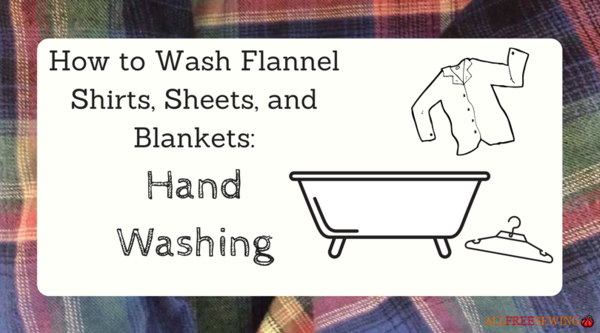
When it comes to washing plaid prints, it’s important to choose the right detergent to ensure that the colors stay vibrant and the fabric maintains its softness. Plaid patterns can be quite delicate and require special care to prevent damage.
Firstly, it’s best to opt for a gentle detergent that is specifically designed for delicate fabrics. Look for a detergent that is labeled as “gentle” or “delicate” to ensure that it won’t be too harsh on the fabric.
Additionally, it’s a good idea to choose a detergent that is color-safe. Plaid prints often feature multiple colors, and using a color-safe detergent can help prevent the colors from bleeding or fading during the wash cycle.
For stubborn stains on plaid prints, you may want to consider using a stain remover. However, be sure to test the stain remover on a small, inconspicuous area of the fabric first to ensure that it doesn’t cause any damage or discoloration.
Finally, it’s important to follow the care instructions provided by the manufacturer of the garment. Some plaid prints may require special care, such as handwashing or using a specific temperature setting on your washing machine. Following these instructions will help ensure that your plaid prints stay looking their best for longer.
By choosing the correct detergent for your plaid prints, you can help preserve their colors and softness, allowing you to enjoy them for many more washes to come.
Implementing Gentle Washing Techniques

When it comes to washing garments with plaid patterns, it’s important to implement gentle washing techniques to ensure that the fabric and pattern stay intact. Plaid patterns can easily become distorted or faded if they are treated too roughly or exposed to harsh washing conditions. To maintain the vibrancy and integrity of your plaid garments, follow these gentle washing techniques:
1. Sort your laundry

When washing plaid patterns, always sort your laundry to separate the colors. Plaid patterns often consist of multiple colors, and washing them with other garments can cause the colors to bleed or transfer onto other clothes. Separating your plaid garments will help prevent color mixing and keep the patterns looking crisp and vibrant.
2. Use a gentle cycle
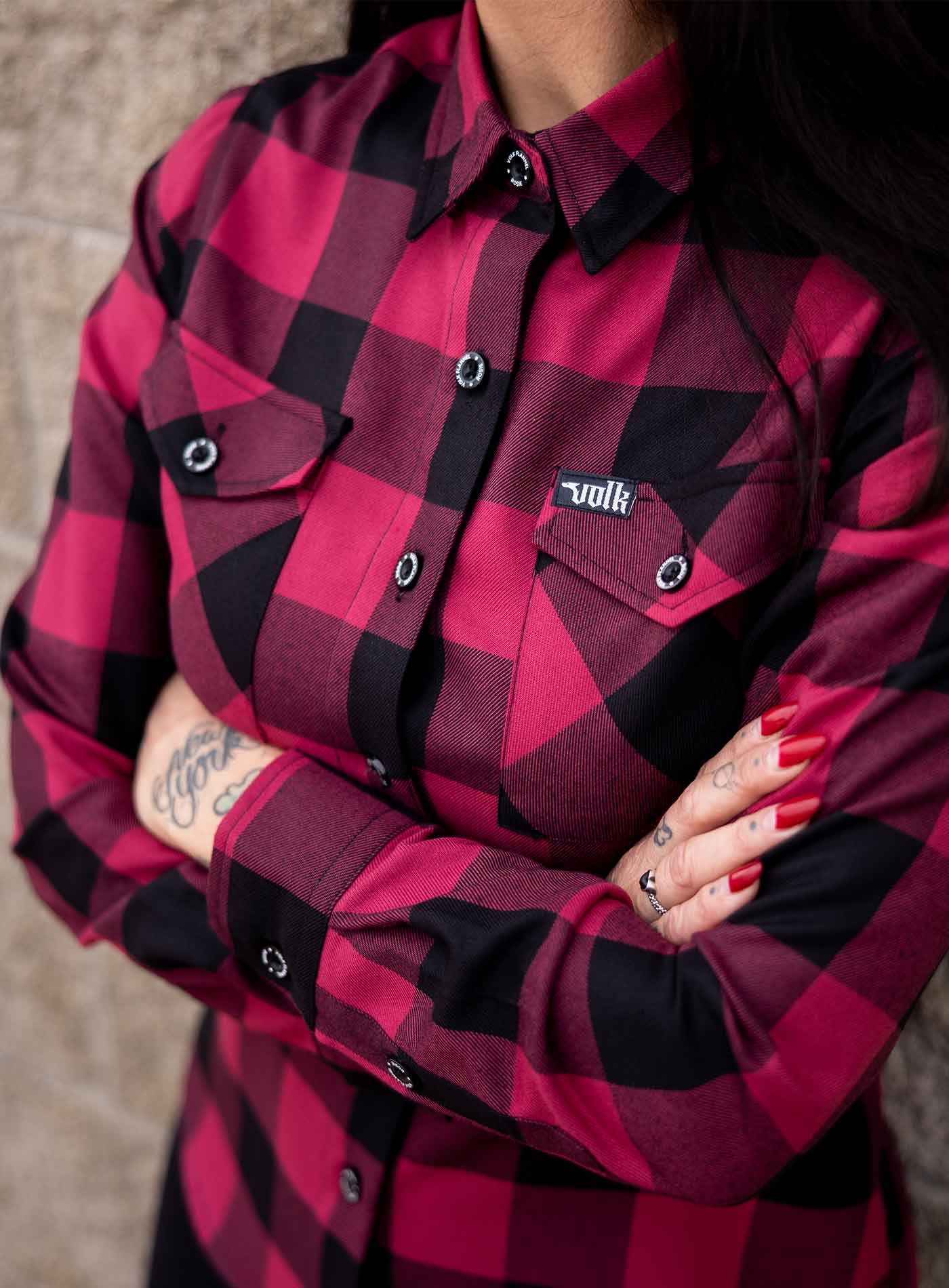
Opt for a gentle cycle on your washing machine when cleaning plaid patterns. The gentle cycle provides a slower and more delicate wash, which reduces the risk of stretching or distorting the fabric. This setting also minimizes friction between the garment and the machine, protecting the pattern from potential damage.
3. Use cold water

Washing plaid patterns with cold water is recommended to prevent color bleeding and fading. Hot water can cause dye to release from the fabric, resulting in a distorted or faded plaid pattern. Cold water helps preserve the integrity of the colors and keeps the pattern looking sharp.
4. Turn garments inside out
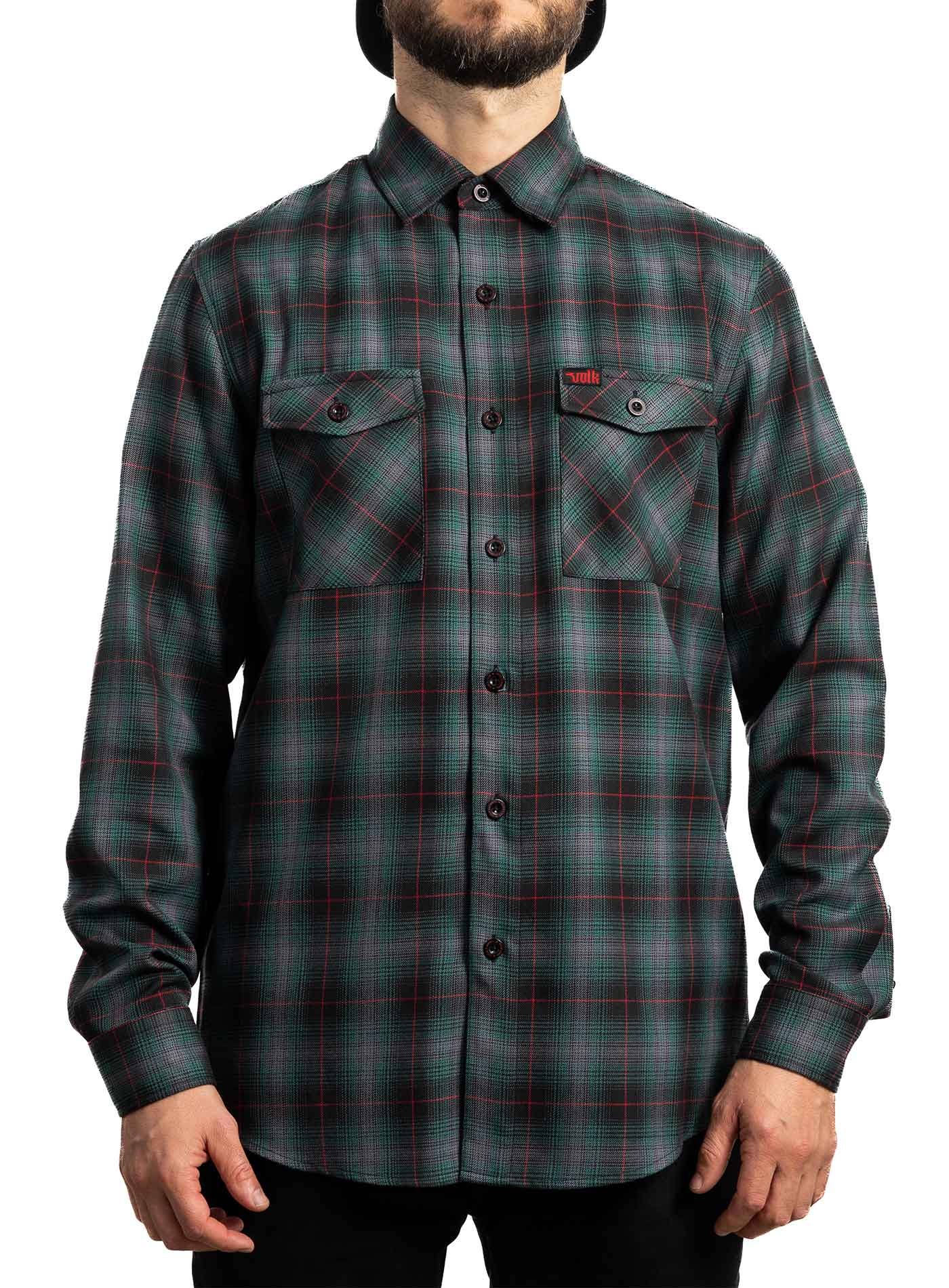
Before tossing your plaid garments into the washing machine, turn them inside out. This step helps protect the outer side of the fabric from rubbing against other clothes or abrasive surfaces in the machine. By keeping the patterned side hidden, you reduce the risk of any damage occurring during the wash cycle.
5. Avoid harsh detergents
Choose mild detergents or those specifically designed for delicate fabrics when washing plaid patterns. Harsh detergents can strip the fabric of its colors and weaken the fibers, leading to a faded or worn-out appearance over time. Gentle detergents, on the other hand, are designed to clean without causing any harm to the fabric or pattern.
By implementing these gentle washing techniques, you can ensure that your plaid patterns remain vibrant and intact for a long time. Proper care and attention during the washing process are essential in maintaining the quality and appearance of your plaid garments.
Video on the topic
Intro To: Pattern (Plaid) Matching
12 Clever BAKING SODA and VINEGAR Hacks, Uses & Benefits
Seven tips for matching plaids and stripes when sewing garments
Answers to frequently asked questions
Read more practical tips and expert opinions about modern devices at appliances-news.com. Here you will find answers to questions about any technology.


